
Tag:ararat

J Ward in Beechworth is connected to Aradale but is also separate from it. Originally built as a goldfields prison in 1859, it was later bought by the Lunacy Department in the 1880s when the gold reserves depleted. Originally intended as a ‘temporary’ facility, it was used to house the criminally insane. For 126 years, it remained a high-security facility, containing the most dangerous men within its bluestone walls.

J Ward Design
The design of J Ward is based on the Pentonville concept – you will find the same layout at Beechworth Gaol, Geelong Gaol, Old Melbourne Gaol and Pentridge Gaol.

Executions
During its time as a gaol, three executions were held. While the men were buried in unmarked graves, plaques are now on the exercise yard wall.
Notable Prisoners
- Charles Fossard was admitted in 1903 at age 21 and convicted of murder. He died at J ward in 1974, aged 92. Imprisoned for 70 years, 303 days, Charles was J ward’s longest-serving patient
- Garry David, also known as Garry Webb. Garry and his siblings were taken from their alcoholic mother and habitual criminal father and placed in an orphanage when he was four. In the following years, he was shuffled through orphanages, boys’ homes, and training centres until, at age 11, he began committing petty crimes. At 13, he was diagnosed with a personality disorder with psychopathic traits. In 1982, he was sentenced to 14 years imprisonment for the attempted murder of three people during a robbery gone wrong. 1984 he began self-mutilating, swallowing razor blades and corrosive liquids, cutting off parts of his ears, his nipple, and penis, and hammering nails into his feet. In 1993, he swallowed razor blades again and had successful surgery to remove them in the hospital. Still, when he returned to J Ward, he ripped his stitches open with a ballpoint pen and developed peritonitis, leading to his death. At the time of his death, he had been a prisoner of various institutions for 33 of the 38 years of his life.
- Bill Wallace was admitted in 1926, aged 44. While he was never charged with a crime, he was arrested on suspicion of murder. Refusing to answer any questions, he was declared insane and committed to J Ward. He passed away in the geriatric ward of Aradale aged 107. He had been confined for almost 60 years.
- Mark ‘chopper’ Reid transferred there briefly in 1978 from Pentridge after arranging for a fellow prisoner to cut off his ears.

Conditions
Near the original kitchen is the original bathroom. It is unknown if this was for inmates or staff – as neither had any bathroom facilities in the rooms. However, it is thought that when a patient was admitted, warders burned the patient’s clothing in the kitchen fire, and they were given a bath in case of infestation with lice. They were then issued with prison clothing and a blanket.

Because J ward was more prison than asylum, security was tighter and conditions much harsher. For example, chamber pots were in each cell, and trustee inmates would clean them in exchange for a cigarette a day.


Tours:
- Available every day except Christmas Day
- Adults, $17, Conc $15, Children under 16 $5. Under 5 is free
- Ghost Tours are available from Lantern Ghost Tours

Aradale Lunatic Asylum was a psychiatric hospital operating for 126 years in Ararat, Victoria. It has been abandoned since it closed in 1993.
Aradale
Aradale was designed to hold 250 patients. However, within its sprawling gothic complex of 70 buildings, it housed up to 1000 patients and around 500 staff.

Construction began in 1860, along with two other asylums, Mayday Hills at Beechworth and Willsmere at Kew. The government of the day commissioned the asylums to house the growing number of “lunatics” in Victoria. Aradale opened to its first patients in 1865, sitting high on the hill, looming over Ararat. The large complex was a town within a town. Furthermore, it had its own fire station, workshops, hospital, morgue, market gardens, orchards, vineyards, piggery, and cattle, making it largely self-sufficient from the nearby town. Overcrowding was soon a problem as the building was designed to hold 250 patients. But within 12 months of opening, it exceeded that by 20. By 1876 it housed 400, and extra beds lined the corridors.

The medical thinking was that mental illness was a disease that could be cured by fresh air. Therefore, all three asylums were situated on a hill where the air was cleaner. However, the Victorians also thought that ‘madness’ was contagious. Thus the location of the asylums above and away from the town protected the townfolk.

Ha Ha Walls
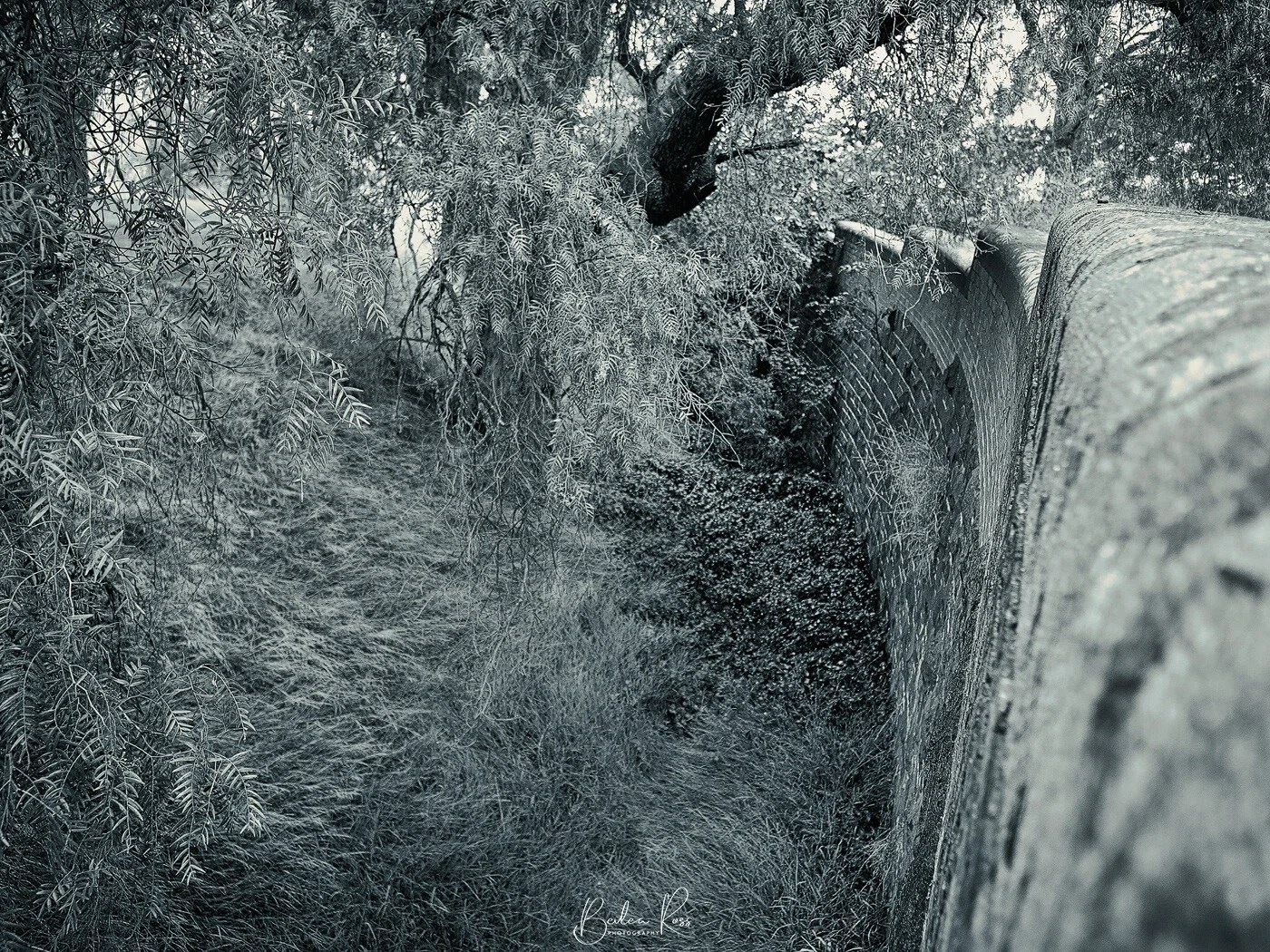
Ha Ha walls ringed the asylum preventing escape. A ha-ha wall is a low wall with a steep trench in front of it. This makes it impossible to climb up and out from the inside. However, it remains an attractive low wall that doesn’t give the impression of confinement on the outside.


Committed to Aradale
It wasn’t hard to be diagnosed with a mental illness in Victorian times. while it only two required signatures to be committed eight to be needed to be deemed sane enough to leave. The weekly cost of keeping a patient at Aradale was 14 shillings and 11 pence.


Common diagnoses that would cause being committed during this time period included – Delusional insanity, Dementia, Epilepsy, General paralysis of the insane – A neuropsychiatric disorder brought on by late-stage syphilis, Idiocy, Inebriation, Melancholia, Puerperal mania – Puerperal refers to the postpartum period, usually lasting 6 weeks after the birth of a child (now known as postnatal depression)
Find My Past

Up until the 1880s, Aradale housed child inmates in the same wards as adults. Children accounted for one-quarter of all inmates across the three main asylums in Victoria (Ararat, Beechworth, and Kew). While it is often reported that 13,000 died at Aradale, official sources put the number is closer to 3,000 patients and staff. It is, however, considered one of Australia’s most haunted places, and regular ‘ghost tours’ are held at night.

Treatments
Patient ‘treatment’ included restraint bags, strapped in chairs, isolation boxes, immobilised in hot and cold baths, and, from the 1900s to 1950s, electroshock treatments and drugs such as lithium. However, a shift occurred in thinking to non-institutionalising those with mental illness. As patients were transferred elsewhere, numbers declined. This led to Aradale closing in 1993.
Tours:
Guided tours of Aradale are available every Wednesday and Sunday.
- Tours run for approx 2 hours.
- Tickets from Ararat and Grampians Visitor Information Centre, 91 High Street, Ararat.
- Adults $22, Concession $18, Child 16 and under $5