
Tag:ripponlea

Labassa, a high Victorian gothic mansion, is a testament to a vibrant history that extended well into the twentieth century. This opulent residence, once home to a silent movie star, artists, and bohemians, is a treasure trove of ornamental decorations. Its interior is adorned with opulent Japanese wallpapers, intricate stained glass windows, and a rare trompe l’oeil ceiling.

“By the 1880s, Melbourne was one of the wealthiest, most glamorous cities in the British Empire. Between 1885 and 1890, nine or ten buildings were completed in the city centre each week, many of them sic to twelve storeys high. This heady decade opened with the completion of the Royal Exhibition Buildings, designed in the Renaissance revival style. In 1888-89, the Centennial Exhibition was staged there, a momentous event that signified Melbourne’s high artistic, economic and social achievements.
Excerpt from Labassa: A Grand Victorian Mansion

The Early Years
Home to Melbourne’s elite, Labassa was originally a modest eight-roomed country house called Sylliott Hill and built for Melbourne judge Richard Billing in 1862. Billings passed away at home due to a stroke in 1882. In 1883, a prominent Melbourne businessman, Alexander William Robertson, leased the Sylliott Hill property from Billing’s widow. Robertson, a Canadian, had immigrated to Melbourne in 1853. In 1861, he purchased the Bendigo mail contract along with fellow Canadian John Wagner.

In 1885, Robertson purchased the adjoining allotment on Balaclava Road. He consequently bought the Billing’s property in 1887. In 1889, the house was redesigned by German-born architect John A. B. Koch for Robertson in the French Second Empire style. The comprehensive redesign transformed the building from a house into a thirty-five-roomed mansion with stunning views across Port Philip Bay. By 1890, with the redesign complete, Robertson, a co-owner of Cobb & Co, renamed Ontario. He also installed cast-iron gates befitting Buckingham Palace at the corner of Orrong and Balaclava roads.
Renamed Labassa
After Robertson’s passing, the house was bought in 1904 by John Boyd Watson II, the heir to a Bendigo mining fortune. Under Boyd’s ownership, the mansion was renamed “Labassa’. At Labassa, he hosted monthly dinners with printed menus, including a children’s birthday party in 1905 attended by seventy friends.

Converted to flats
Following John Watson’s passing in 1911, his widow sold parts of the Labassa estate. Mrs Watson retained a 1.73-hectare parcel containing the house. In 1913, forty-six more allotments were auctioned at Labassa Estate, and Labassa Grove and Ontario Street were formed to the east of the property.
Eventually, Labassa went through 60 years of decay. In 1920, the house’s new owner, Robert Hannon, built a red brick block of flats adjacent to the property. Subsequently, in 1923, the mansion was divided into apartment flats and became home to residents of more modest means. Among Labassa’s new residents was Louise Lovely (1862-1920), Australia’s first silent film actress who found acclaim in Hollywood. From 1930 to 1940, the mansion became the setting for numerous extravagant parties and meetings, such as the Emilie Robins Auxiliary for the Queen Victoria Hospital. The Red Cross also hosted fundraisers at Labassa to aid the Red Cross Comfort Fund during the Second World War. Following the post-war immigration boom, Labassa became a residence for some European families displaced from their homelands.

In the 1960s and 1970s, the sadly neglected mansion became a haven for artists and bohemians. For instance, Singer-songwriter Hans Poulsen, known for “Boom Sha La La Lo” and “Rose Coloured Glasses,” lived in Labassa’s tower with a pet crow. Comedian Jane Clifton lived upstairs in the servants’ quarters during her ‘long-haired moon-mother cookie baking’ phase in the 1970s.
National Trust
The subdivision of the property continued until the National Trust of Australia purchased the house in 1980. The National Trust later acquired adjacent sites, one to the southeast in 1984 (the house on that site was demolished in 1988) and another to the west in 1988. The back of the building included a two-storey wing built in 1873 and a single-storey cottage from the 1860s, while the two-storey wing is connected to the main house by a tower.

In its heyday, the estate included stables, built in 1873, a conservatory and a tennis pavilion, both assumed to have been added in 1890. Thankfully, these outbuildings have survived. However, the conservatory was converted for residential use and the stables in 1926. The tennis pavilion remained in its original location at 13 Manor Grove until it was relocated to the mansion gardens in 2014. Internally, various decorative treatments from the late nineteenth and early twentieth centuries remain from both the Robertson and Watson occupancy periods. These include wallpapers, ceiling decoration, chimney pieces, mouldings, joinery, and decorative glass. Labassa has now been restored to how it looked when John Koch completed the work in 1890.
Labassa is open the Third Sunday of each month from 10:30 am to 4:00 pm
Admission
Adults: $15
Concession: $12
Children: $9
Family (2A + 2C): $35
National Trust Members receive FREE Entry. Pre-booking encouraged.
Located at 2 Manor Grove, Caulfield North 3161 VIC

Nestled amidst the bustling inner suburbs of Melbourne, Ripponlea Estate offers a captivating glimpse into Victoria’s grand colonial past. Step back in time and explore the meticulously preserved Ripponlea Mansion, a magnificent example of Italianate architecture that whispers tales of affluence, societal change, and the enduring legacy of the wealthy Clarke family. As you wander through the ornately decorated rooms, marvel at the opulent furnishings, and lose yourself in the meticulously landscaped gardens, you are transported to a bygone era of elegance and grandeur.
Ripponlea Estate is a historic site in the heart of Melbourne, well known for its cultural heritage and stunning architecture. It features a grand mansion, lush gardens, and a rich history, making it an iconic landmark. The estate dates back to the 19th century when it was established by Sir Frederick Sargood, a well-known businessman and philanthropist from Melbourne.
The Mansion
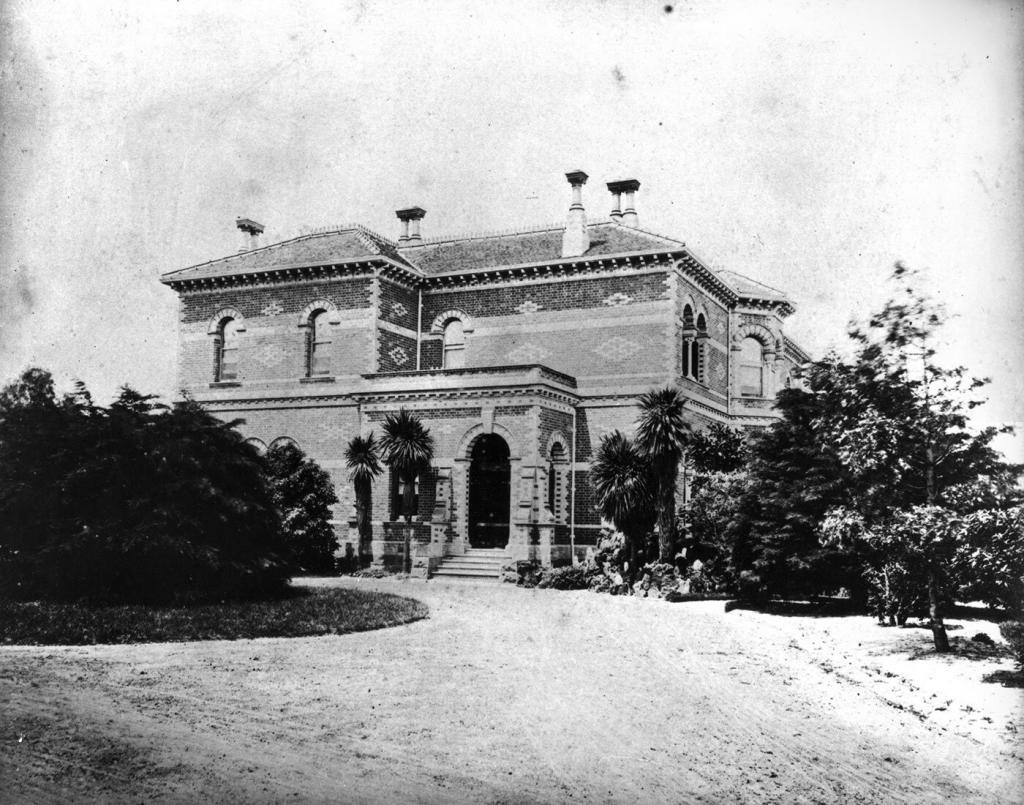
In 1868, Sir Sargood purchased the land. Architect Joseph Reed was commissioned to design a luxurious fifteen-room mansion that would become the focal point of the estate. The Victorian Italianate mansion, similar in style to Werribee Mansion, was a stunningly beautiful architectural masterpiece. It featured intricate details, a grand staircase, luxurious interiors, an underground watering system, and even its own electricity supply. It was rare for that period to have indoor bathrooms, but Ripponlea had them, adding to its reputation as a symbol of luxury and sophistication.

During the 1880s, the mansion underwent significant renovations. The dining room was enlarged to the size it is today. In addition, a tower was constructed, and a second floor was added to the back wing of the mansion. The kitchens were also remodelled, and a larger fernery was planted. A veranda was fitted on the west front, and the gardens were redesigned. Furthermore, the drainage system was extended to improve the overall functionality of the mansion.
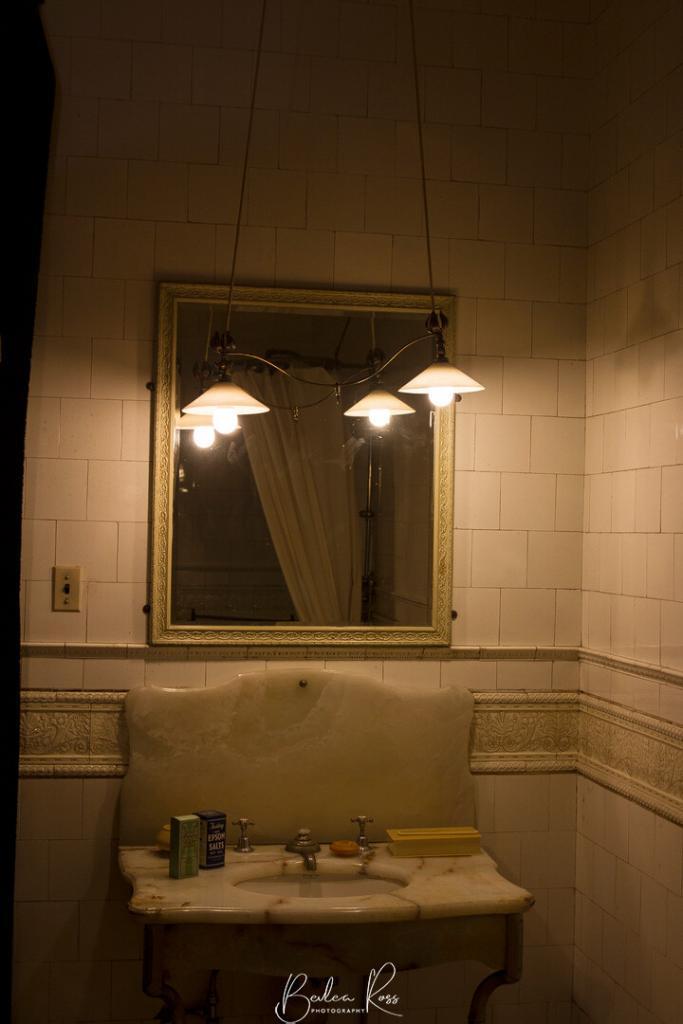
In 1897, the mansion underwent further renovations. These included the addition of the current front entrance, a gentleman’s washroom, and an office. The study was extended to become the drawing room, while the former drawing room was transformed into an informal sitting room. The staircase was rebuilt, and the mansion was expanded from six to eleven bedrooms, some intended for staff. Additionally, a large new bathroom was added upstairs.
The Sargood Family
Upon completing Ripponlea, Sir Sargood, his first wife Marian, and their nine surviving children moved into the mansion. They were accompanied by an entourage of staff, which included seven maids, a butler, seven gardeners, a coachman, and a groom. In 1878, Marian Sargood passed away while giving birth to her twelfth child (a stillborn boy) on her fortieth birthday. Following her death, Sargood took his children and three staff members back to England. However, in 1882, he returned to the mansion with a new wife and another child, a daughter born the day before the ship docked. After his return, he continued with his career as a member of parliament and was later appointed as the Minister of Defence.

In 1901, Sargood was elected to the first Australian Senate. Unfortunately, during a trip to New Zealand in 1903, he fell ill suddenly and passed away. After his death, Lady Sargood sold the property for 20,000 pounds. She then left for England with her daughter, never to return.
New Owners
In 1903, a syndicate led by Thomas Bent acquired Ripponlea from Lady Sargood. Bent, who later became the Premier of Victoria in 1904, used the property for hosting charity events and entertaining guests. However, he also started selling parts of the land. Bent was forced to resign in 1908 due to suspicion of corruption. He passed away the following year during an investigation into his alleged connection to land scandals. His death prevented Ripponlea from being further divided.

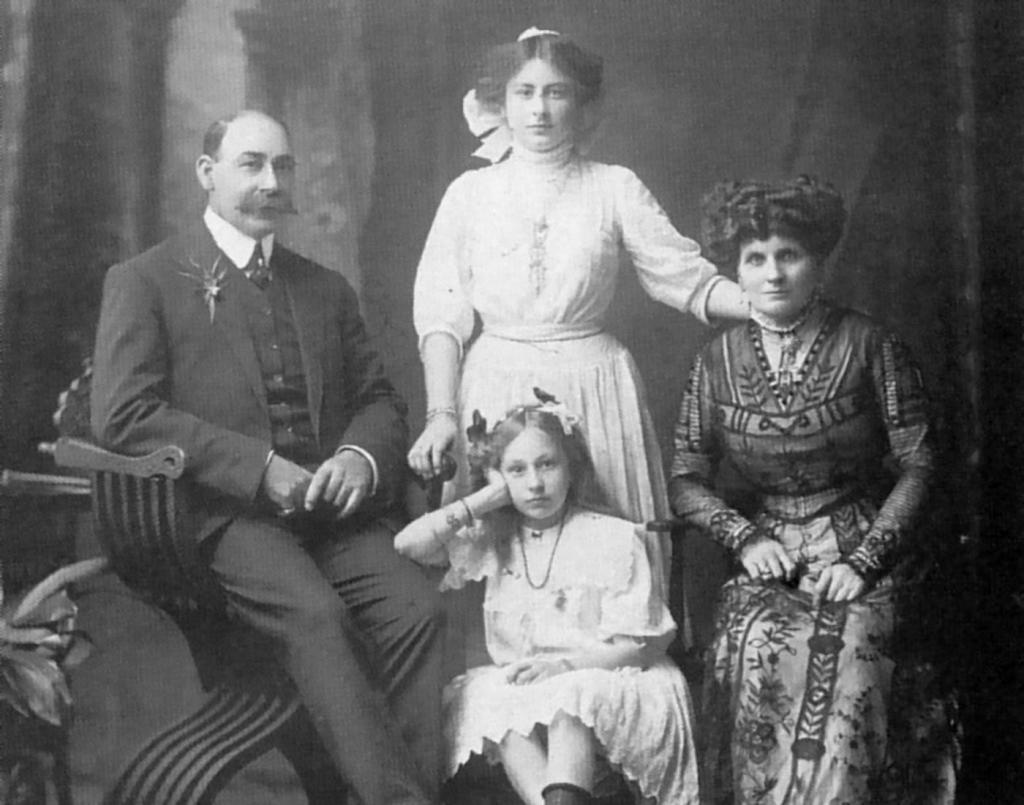
In 1903, Benjamin Nathan, a successful businessman, bought the estate. Nathan had made his fortune in the furniture business as the Maples Furniture and Maples Music owner. He moved into the property with his wife and two daughters and introduced more native plants to the garden. He also added a conservatory and 14 glass houses to grow orchids and employed 14-17 gardeners to maintain the garden. After Nathan died in 1935, his daughter Louise inherited the property.
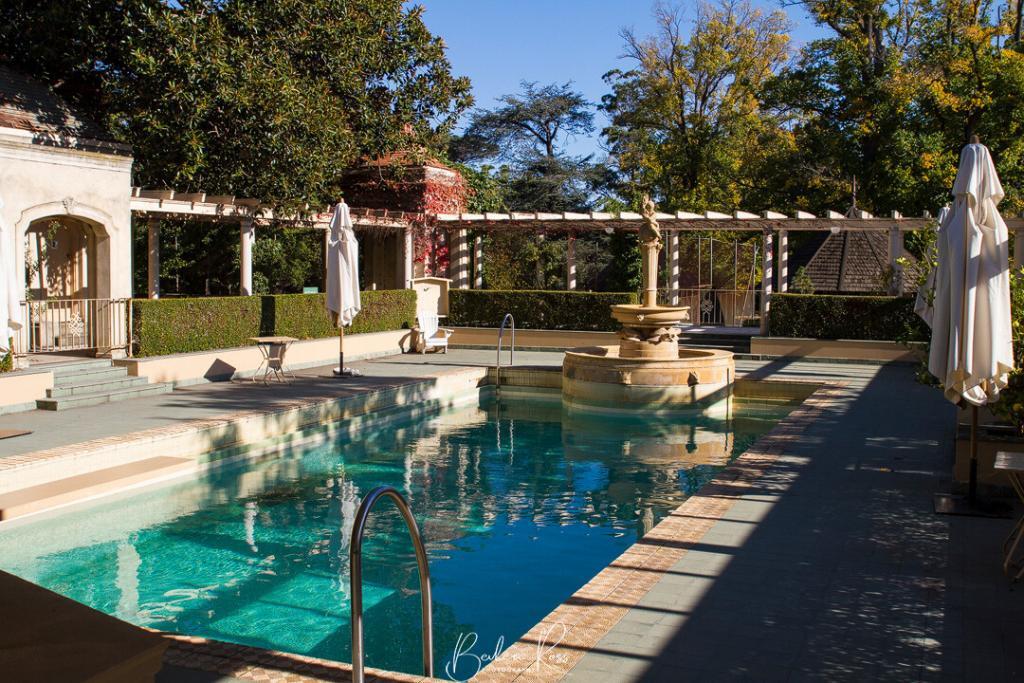
Louise, her husband, lawyer Timothy Jones, and their four children moved into the property and started renovating it. They added a new kitchen and remodelled the dining room. The original ballroom was removed and replaced with a swimming pool, while the billiard room and museum were converted into the new ballroom. The house was cleared of clutter and redecorated in an elegant neo-baroque style featuring mirrors and soft greens.


Saving Ripponlea
In the early 1950s, Louise sold some of her land to ABC, who wanted to build a television studio. However, in 1963, ABC wanted to expand the studio. Subsequently, the federal government issued a compulsory acquisition order for an additional four acres of Louise’s land. She fought the order in the high court but unfortunately lost. A demonstration against the acquisition attracted 10,000 people. Louise knew her father wanted the gardens protected, so she arranged for the property to be transferred to the National Trust upon her death.

In 1972, Louise passed away, and the National Trust inherited Ripponlea. As a result, the acquisition order was withdrawn. Ripponlea was opened to the public for the first time in 1974. Within the first three months, it was visited by one hundred thousand people. Recognising its historical and cultural importance, the National Trust of Australia officially classified Ripponlea as a heritage-listed property in 1979. This designation ensured that the estate would be preserved and maintained for the benefit of future generations.
Today
Ripponlea Estate is a public attraction that allows visitors to travel back in time as they explore the mansion, gardens, and surrounding grounds. Guided tours are available, providing valuable insights into the lives of the estate’s former residents and the historical events that took place there. In addition to being a popular tourist destination, the estate is also a venue for events, weddings, and cultural programs. It is also frequently used as a film location, making it a vibrant part of contemporary Melbourne.
Visiting
192 Hotham Street, Elsternwick 3185 VIC
Entry Fees: General Admission includes garden entry plus a guided tour of the mansion (subject to availability).
Adult: $15
Concession: $12
Child (3-15 years): $9
Family (2 adults + 2 children): $40.
National Trust Members FREE.
Residents of the City of Glen Eira and Port Phillip have free access to the gardens at Rippon Lea Estate.
To obtain an entry card, residents must show acceptable forms of ID with proof of residency and complete an application form available in the Gatehouse on entry to the property.

One of my favourite TV shows is Miss Fisher’s Murder Mysteries screening on ABC TV; so, when the Phryne Fisher exhibition was announced at Ripplonlea, we had to go! Set in Melbourne in the 1920s, the series is based on the novels by Kerry Greenwood. On display are costumes from Season 3 of Miss Fisher Murder Mysteries at Ripponlea Estate, the home of Aunt Pru in the series.

Ripponlea Estate
Sitting on extensive gardens, Ripponlea is a beautiful, intact, Italianate mansion constructed in 1870. The gardens are still there thanks to the last owner (Louisa Jones) and the National Trus. Both fought a compulsory acquisition order from the ABC in the 1960s and ’70s. The ABC wanted four acres of their gardens to allow them to extend the ABC studios. Thankfully the ABC lost and settled with just .8 of an acre. Upon Louisa’s death, Ripponlea was bequeathed to the national trust.

Costumes of Season Three
The costumes featured are designed by Marion Boyce, and they are fabulous. they are full of period detail and made from the most fantastic fabrics. The exhibition spills across rooms, downstairs and upstairs, with rooms set up depicting episodes and costumes from season 3.


We enjoyed a delicious lunch at the Wardlow Tearooms, complete with fine china. Then we walked around the gardens, past the tennis courts, the ornamental lake, and through the massive fernery.

Season 3 of Phryne has now finished. Fingers crossed, we get a season 4. The exhibition was fabulous and runs until September this year; well worth a visit.