
Tag:ACT

Lanyon Homestead is a beautiful, historic rural estate located on the outskirts of Canberra, Australia. It offers a fascinating glimpse into the lives and times of the country’s early settlers. Situated at the foot of the beautiful Brindabella Ranges, about 30 kilometres south of Canberra‘s city centre, the estate features rolling plains and woodlands that create a picturesque backdrop for the homestead, which dates back to the 1830s.

Historical Background
The history and growth of Lanyon Homestead are closely intertwined with the early European settlement in the Australian Capital Territory (ACT). In 1835, James Wright and his partner, John Lanyon, took out a pastoral lease of a large tract of land along the Murrumbidgee River, which was a vital water source in the otherwise arid Australian landscape.
Initially, the property was used for sheep grazing and cattle farming, taking advantage of the fertile plains and the river. By 1841, 59 workers lived on the estate, around half of them convicts. Eventually, John Lanyon returned to England, and James Wright took over the running of the estate. Wright, however, faced numerous challenges, including droughts and financial difficulties. This ultimately led him to sell Lanyon Homestead in the 1840s.

The estate then changed hands several times before it was acquired by the Cunningham family in 1849. The Cunninghams, a prominent pastoralist family, expanded the estate’s operations. They also built additional buildings and developed the homestead into a thriving rural enterprise.
In 1926, the estate was sold to the Osborne family. They, in turn, sold it to the Field family in 1930. The Fields, however, didn’t live at the estate but used it as a holiday home. While the Fields improved the old dairy and machinery, they respected the history of the house and buildings.

Architecture and Layout
Lanyon Homestead’s architecture blends Georgian and Victorian styles, reflecting the preferences of affluent rural homesteads in 19th-century Australia. The main homestead building, constructed in the 1850s, is a single-story house with a low-pitched roof and wide verandas. It also has thick walls designed to keep the interior cool during hot summers. It is built from locally sourced stone and features timber-framed windows, offering views of the surrounding gardens and the river.
One of Lanyon’s standout features is its meticulously maintained gardens, which include a variety of native and introduced plant species. The gardens were an essential part of the estate’s self-sufficiency, providing fresh herbs, vegetables, and flowers for the household.

The estate also includes various outbuildings, such as the woolshed, stables, blacksmith’s shop, and workers’ quarters. These provide a window to the past and illustrate the labour-intensive nature of pastoral life during the 19th century.


Life at Lanyon Homestead
Life at Lanyon Homestead during the 19th and early 20th centuries was centred around agriculture and livestock, mainly sheep farming. The estate produced wool, meat, and other agricultural products essential to the local economy. The river provided irrigation, which was critical for livestock and crop cultivation, allowing the estate to thrive even in challenging conditions.

The homestead was a family residence, but it also functioned as the centre of a small rural community. The Cunninghams employed many workers, including shepherds, stockmen, blacksmiths, and domestic staff, who lived on or near the property. The workers’ quarters, some of which have been preserved, highlight the contrast between the lives of the estate owners and those of the workers. While the Cunninghams enjoyed a degree of comfort and refinement inside the homestead, the workers faced a more rugged and physically demanding lifestyle.

The social life at Lanyon Homestead reflected its time. The family hosted gatherings, picnics, and social events common in rural communities. The homestead would have also been a place where neighbours gathered to exchange news and celebrate important events.
Lanyon Homestead Today
In the early to mid-1970s, the McMahon and Whitlam Governments withdrew the rural leases for Lanyon, Cuppacumbalong Homestead and Gold Creek Homestead. The Federal Government then compulsorily acquired Lanyon for $3.7m in 1974.
Today, Lanyon Homestead is managed by the ACT Government and is open to the public as a museum and cultural site. It is part of the ACT Historic Places network, which aims to preserve the region’s heritage and cultural history. The homesteads guided tours, exhibitions, and educational programs provide information about the estate’s history and the stories of those who lived there.
Visitors to Lanyon Homestead can take a tour through the original rooms. These have been furnished with period-appropriate furniture and artefacts to recreate the atmosphere of a 19th-century rural home. The preserved interiors provide a glimpse into the Cunningham family’s daily lives and domestic routines. Original furnishings, kitchenware, and personal items are on display. The tours also highlight the challenges and hardships the estate’s residents faced. Isolation, disease bushfires and floods were ever-present threats.

Cultural Significance
Lanyon Homestead is a well-preserved example of a 19th-century rural estate and an important site for understanding the broader history of European settlement in the Canberra region. It provides insights into the pastoral economy that dominated Australia’s rural development and the complex interaction between settlers and the Indigenous Ngunnawal people, who have lived there for thousands of years.

In recent years, efforts have been made to recognise and incorporate the region’s Indigenous history into the homestead’s narrative. This includes acknowledging the land’s traditional custodians and highlighting the Murrumbidgee River’s cultural and spiritual significance to the Ngunnawal people. By doing so, the homestead serves as a place of reflection and education, encouraging visitors to consider both the achievements and the darker aspects of Australia’s colonial past.

Nestled in the scenic Gold Creek Village, Canberra’s Walk-In Aviary is a spot that’s perfect for nature lovers and bird fans. Located in Nicholls, ACT, this aviary is a must-see if you want to get up close and personal with a bunch of different bird species in a beautiful, natural setting. With over 600 birds from more than 60 species, you’ll find everything from colourful parrots to graceful finches.
A Unique Immersive Experience
Canberra’s Walk-In Aviary’s immersive design sets it apart from other bird sanctuaries. Rather than viewing birds from behind enclosures, visitors are invited to enter the aviary, creating an intimate and interactive experience. As you walk through the large, open space, birds fly freely around you, often perching on branches or landing on you to feed from your hand.

As soon as you step into the aviary, you’ll be given a small dish of delicious bird food—usually a mix of seeds, fruits, and even mealworms! This tasty treat encourages the birds to come up close and personal. Many of these feathered friends are quite comfortable around people and will happily nibble from your dish or even your hand. It’s a fantastic chance to snap some amazing photos as colourful parrots, lorikeets, and other lovely birds gently land on your arm or shoulder. Enjoy the experience!

A Diverse Range of Birdlife
One of the most appealing aspects of the Canberra Walk-In Aviary is the diversity of bird species that inhabit it. With over 60 species from Australia, Asia, and beyond, visitors have the opportunity to see a wide range of birds. Some of the most notable residents are:
- Rainbow Lorikeets: Known for their striking, multi-coloured plumage, rainbow lorikeets are a favourite among visitors. These playful and curious birds love to interact with guests, often flocking around those carrying food dishes. Their vibrant colours and cheeky personalities make them a highlight of any visit.
- King Parrots: Native to Australia, these birds are known for their bright red and green feathers. The males boast a brilliant red head and breast, while the females display a more subdued green. King parrots are often shy but can be lured out with patience and a food offering.
- Zebra Finches: With their delicate size and intricate patterns, zebra finches add a charming touch to the aviary’s landscape. These small birds can often be seen flitting between the foliage or resting on low branches. Their cheerful, melodic chirps create a serene backdrop to the aviary experience.
- Eclectus Parrots: Another standout species, Eclectus parrots are known for their dramatic sexual dimorphism. Males are a vivid green, while females are strikingly red and blue. These parrots are known for their intelligence and can be seen exploring the aviary with keen curiosity.

In addition to the popular species, the aviary is home to a delightful variety of doves, cockatiels, budgerigars, and even some exotic birds! For bird lovers, spending time here to watch and learn about all these amazing creatures in their natural habitat is truly a rewarding experience.

The Aviary’s Tranquil Environment
Canberra’s Walk-In Aviary is designed to mimic a natural habitat with lush vegetation. It has cascading water features and strategically placed perches and feeding stations. The environment is beautiful and provides the birds with plenty of places to rest, explore, and hide if they desire more privacy.

Walking through the aviary feels like stepping into a green oasis. The tall trees provide shade, while the smaller shrubs make perfect little hideouts for the birds. You can hear the leaves rustling, birds chirping, and the soft sound of water trickling from the fountains—it all adds up to a really chill vibe. It’s a great spot to kick back and enjoy nature.
The aviary is also carefully maintained to ensure the well-being of its avian residents. It’s kept clean, and the birds can access fresh water and a diet that meets their needs. This attention to detail ensures that the birds remain healthy and active, providing visitors with a lively and engaging experience.

Practical Information for Visitors
If you’re planning a visit to Canberra’s Walk-In Aviary, there are a few things to remember to ensure a smooth and enjoyable experience. The aviary is open daily, typically from 10 AM to 4 PM. However, it’s always a good idea to check their website or call ahead in case of special events or closures. Admission fees are reasonable and help support the care and maintenance of the birds and their habitat.
Wear comfortable shoes, as you’ll be walking on natural terrain. Consider bringing a hat and sunscreen during the warmer months, as parts of the aviary are open to the sun. It’s also worth noting that while the birds are friendly, it’s best to approach them calmly and gently to avoid startling them.

Many visitors love spending an hour or two in the aviary. It’s a wonderful chance to explore, feed the birds, and soak in the peaceful atmosphere. Plus, you’ll find several cosy cafes and shops just a short stroll away in Gold Creek Village. It’s the perfect spot to enjoy a leisurely lunch or do some local shopping after your visit!
Located at 18 – 26 O’Hanlon Place, Gold Creek Village
Nicholls ACT 2913
Entry:
Children 4-16 $13
Adults $18
Concession and seniors $16
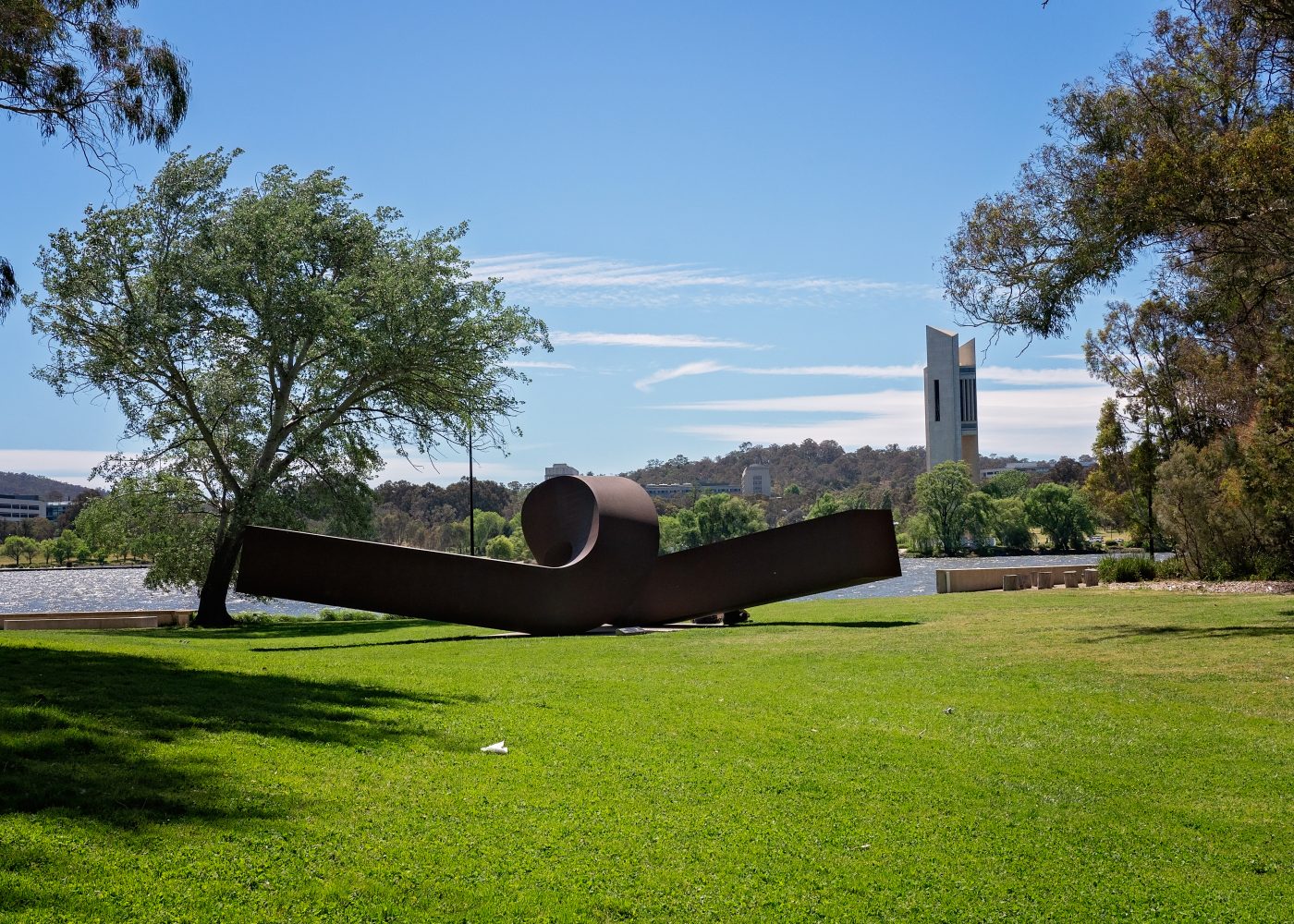
Canberra is located in the Australian Capital Territory and serves as the capital of Australia. It is a uniquely planned city created to function as the centre of the nation’s government, politics, and administration. Despite being Australia’s capital, Canberra is often underrated as a tourist destination. People were surprised and confused when they heard that I was planning a visit there. However, this city has a lot to offer, including a rich cultural heritage, impressive architecture, and beautiful parks, gardens and tree lined streets.
History of Canberra
January 1st, 1901, was Federation Day when the colonies of New South Wales, Victoria, South Australia, Queensland, Western Australia and Tasmania officially became the new Commonwealth of Australia. Both before and after the Federation, there was much public bickering about where the capital of Australia should be. Under the Constitution, Parliament had to choose a site at least one hundred miles (160km) from Sydney. Parliament, therefore, sat in Melbourne until a new parliament house was built in the new capital.
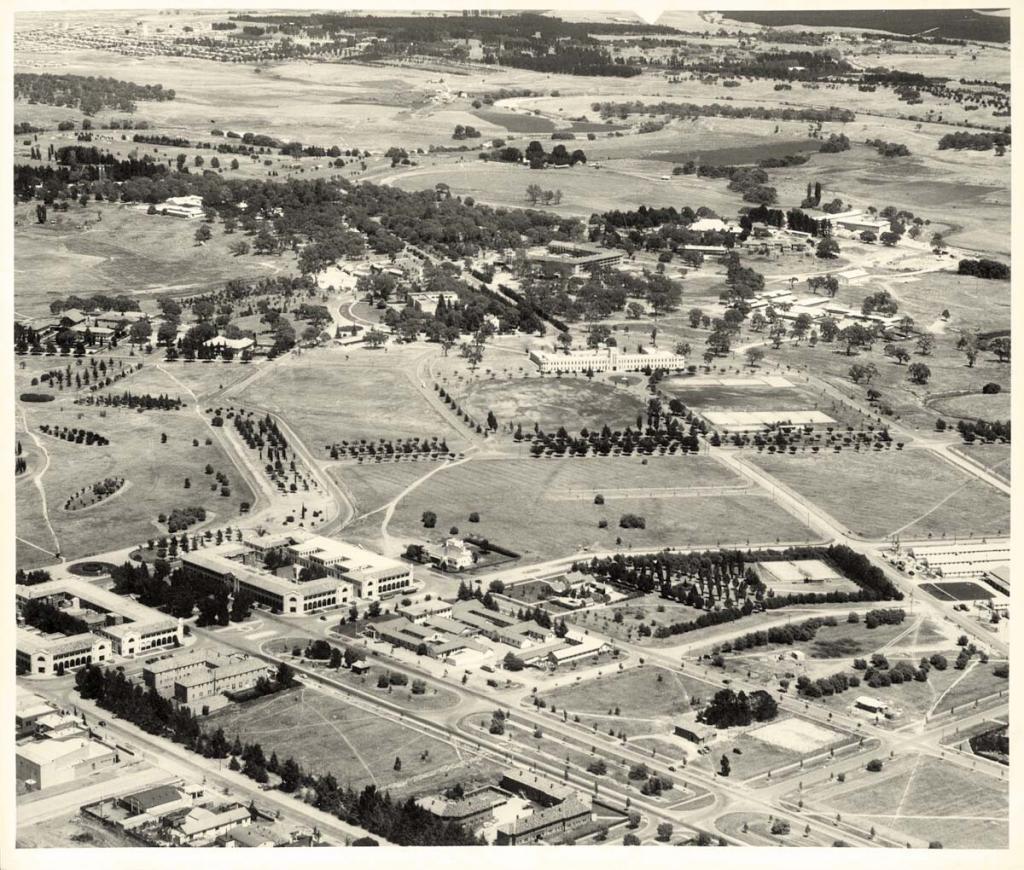
More than sixty locations were suggested as potential sites for the capital city of Australia. After much disagreement and conflict, the location of Canberra was ultimately chosen in October 1908. As a result, the government organised an international competition to design the capital, with entrants being informed that it would be the official and social hub of Australia. American architects Walter Burley Griffin and Marion Mahoney Griffin consequently won the competition with a design that was in harmony with the site’s topography. The city was situated between three hills and an ornamental lake connected by a sequence of basins. The city was officially named Canberra in 1913, and construction began shortly after that.
Growth
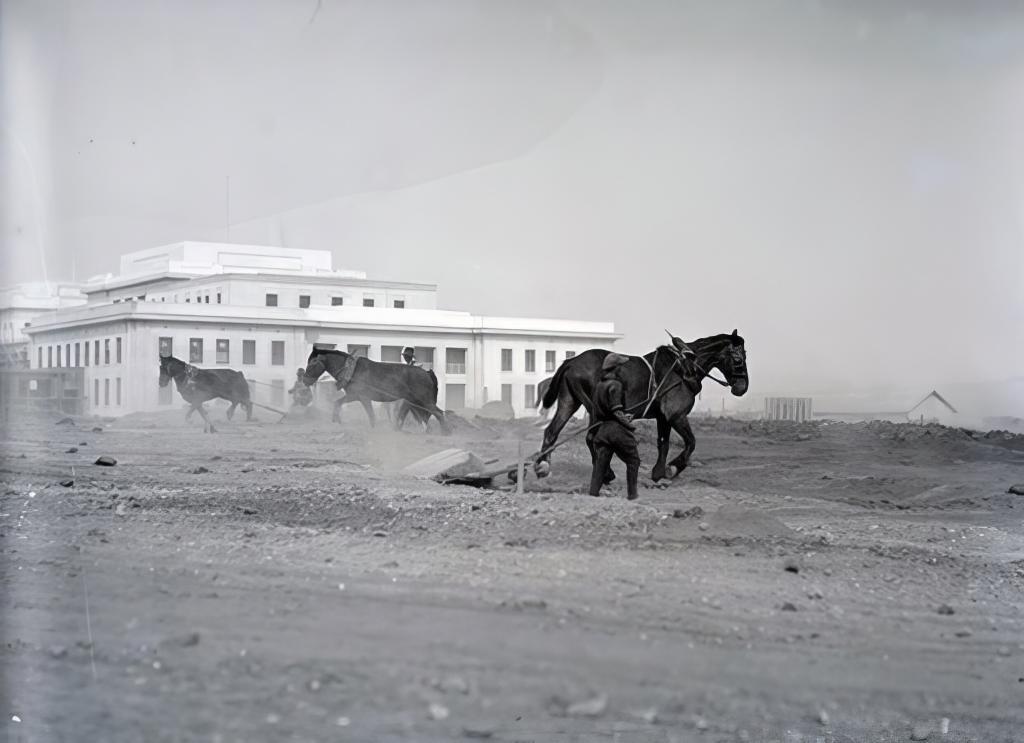
Canberra witnessed significant growth during World War I, as it served as the administrative centre for the Australian military. In the following decades, from the 1920s to the 1930s, the city continued to expand as the seat of government and became the focal point of national politics and administration. The mid-20th century saw rapid growth and modernisation, with Canberra emerging as a hub for innovation, research, and cultural, educational, and scientific institutions. Subsequently, today, Canberra is a thriving city with a rich cultural heritage, a growing arts scene, iconic landmarks, beautiful parks and gardens, and a rich history.
The Best Photography Spots in Canberra
Canberra is a beautiful city with many stunning photography spots offering breathtaking views and landscapes. Some of the best photography spots in Canberra include:
Parliament House
The Australian Federal Parliament is housed in an iconic building that forms the centrepiece of the parliamentary triangle. The building’s rooftop is covered in grass and offers stunning views of the city. Designed by architect John Smith Murdoch, it was officially opened in 1988, replacing the previous Parliament House.
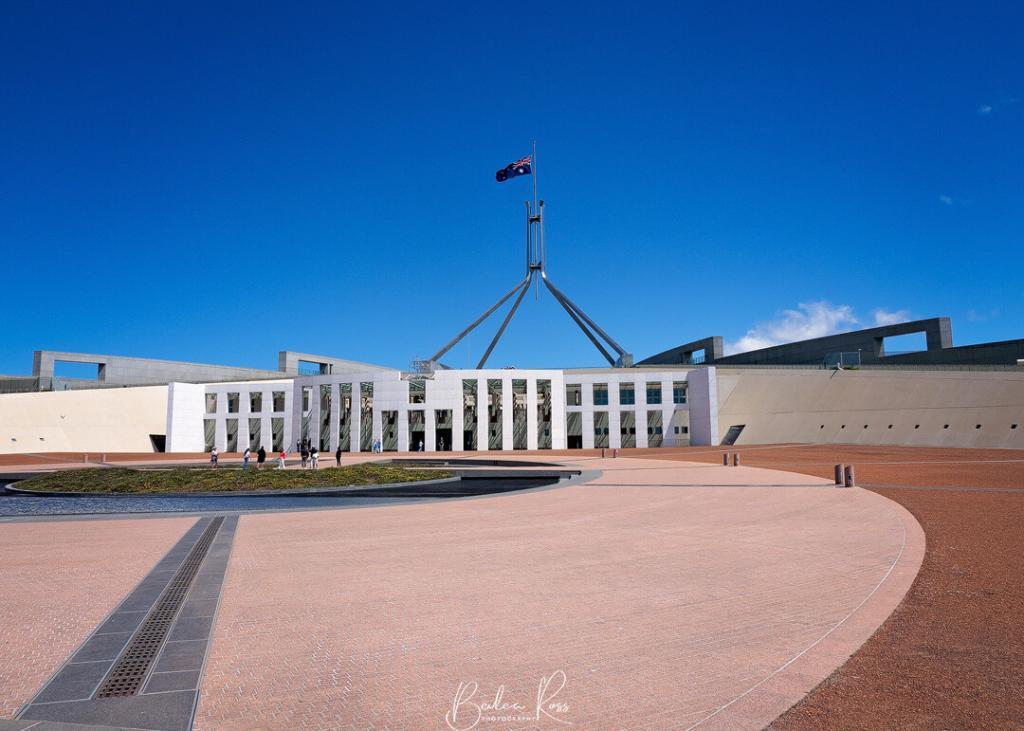
Sitting atop Capital Hill and surrounded by sweeping lawns and gardens, Parliament House is a grand and modern building. Made of glass, steel, and concrete, its large central dome is visible across the city. Visitors are welcome to explore the public spaces inside, including the Great Hall, Members Hall, and the House of Representatives and Senate chambers. Guided tours are also available, offering visitors the opportunity to learn about the building’s history and the workings of the Australian Government.

Parliament House is also home to many important artworks, including paintings, sculptures, and other decorative objects, reflecting Australia’s cultural heritage. Notable artworks on display include artist Frank Oakeshott’s murals and artist John Hancock’s stained-glass windows.
Photo Tip: The reflecting pool in front of the building is best at night or blue hour.
Lake Burley Griffin
The artificial lake in the heart of Canberra was named after Walter Burley Griffin, the American architect who designed the city. The lake was created as a central element of Griffin’s design for the city, and for this reason, it remains a defining feature of the Canberra landscape. In addition, the lake offers a range of recreational activities, including boating, fishing, picnicking, and cycling. It is also a popular location for events and festivals throughout the year.
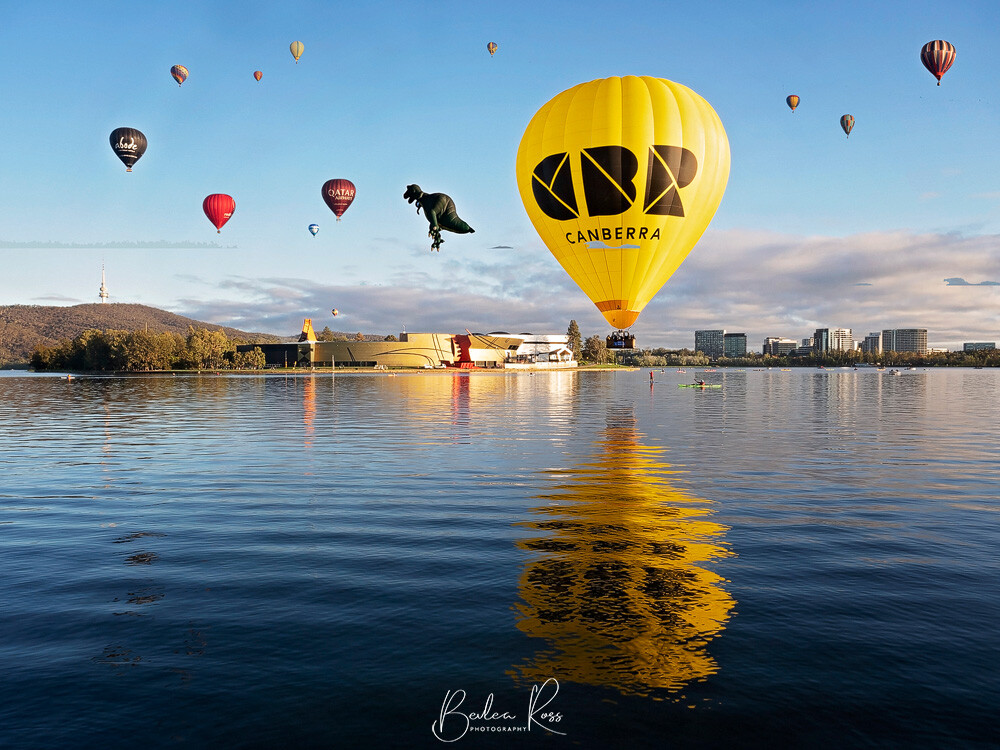
One of the most iconic features of Lake Burley Griffin is the Captain Cook Memorial Jet. This water jet in the lake’s centre shoots up to 147 meters into the air. The jet is particularly spectacular when viewed at night when coloured lights illuminate it. In addition to its recreational activities, Lake Burley Griffin is also an important symbol of Canberra and its history. Additionally, important cultural institutions like the National Museum of Australia, the National Gallery of Australia, and the Parliament House surround the lake, making it a vital part of the city’s cultural and political landscape.
During the Balloon Festival in March each year, the lake on the opposite side of the National Museum is a fabulous location to photograph the balloons taking off and floating across the lake.
Photo Tip: foggy mornings on Lake Burley Griffin make a great photo.
National Gallery of Australia (NGA)
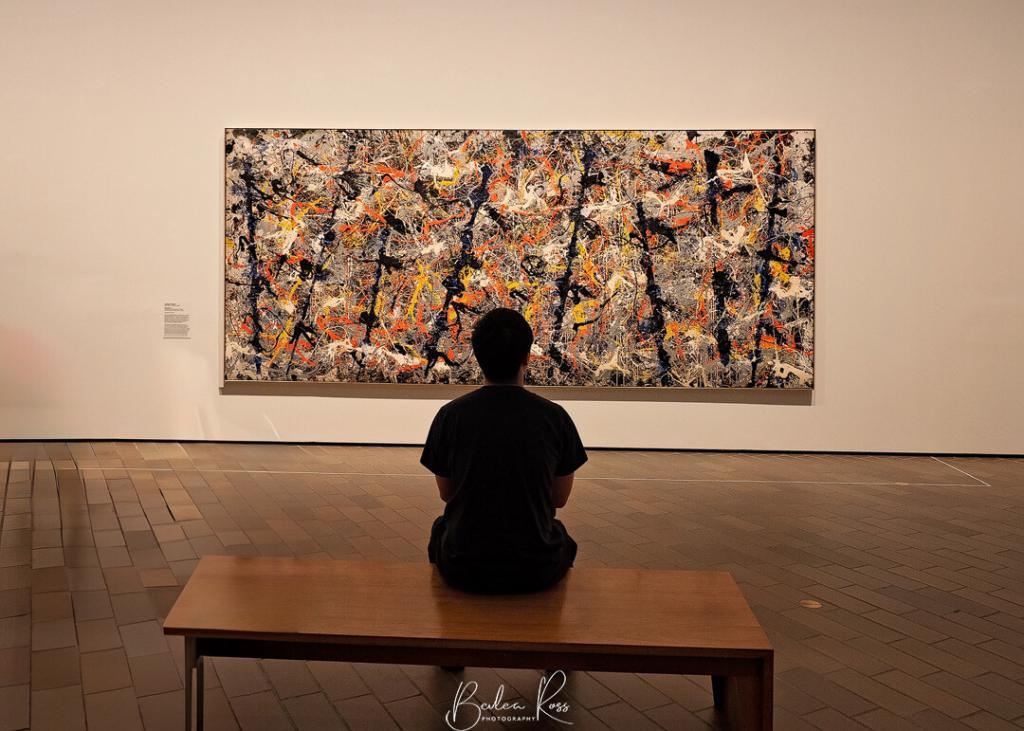
The National Gallery of Australia is a modern building designed by architect James Mather. It opened in 1982 and is the largest art museum in Australia. Within its walls is a collection of over 166,000 works of art from Australia, Asia, Europe, and the Americas.

The collections include many art forms, including painting, sculpture, photography, decorative arts, and works on paper. Some of the museum’s most notable holdings include works by prominent Australian artists such as Tom Roberts, Grace Cossington Smith, and Sidney Nolan. Also on display is Jackson Pollocks ‘Blue Poles’. In addition, significant works by international artists such as Vincent van Gogh, Pablo Picasso, and Claude Monet are also on display.
In addition to its collection, the National Gallery of Australia offers a range of educational programs. These include guided tours, workshops, and events, making it a valuable resource for schools and educational institutions. A visit to the sculpture garden is not to be missed. The building features spacious galleries, a library, a café, and a rooftop restaurant. It’s not hard to see why the NGA is a popular destination for art lovers and visitors of all ages.
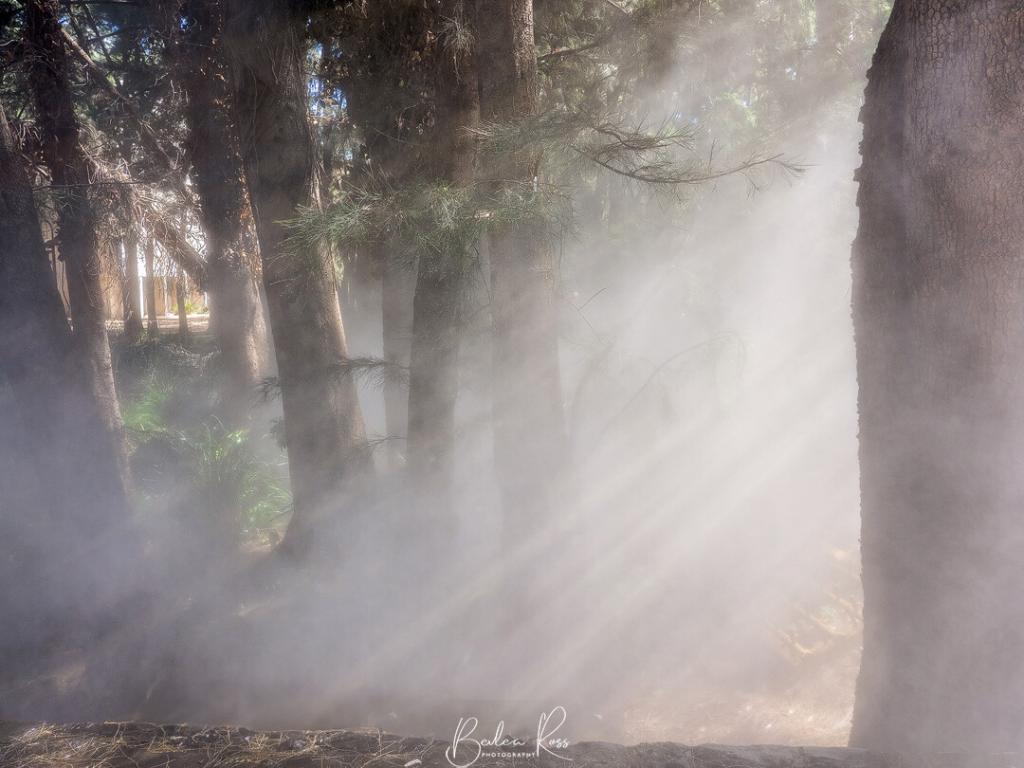
Photo Tip: visit Fujiko’ Nakaya’s Foggy Wake In The Desert ecosphere, which operates from 12.30 – 2 pm daily
Mount Ainslie
Mount Ainslie’s summit is a well-known attraction for both visitors and residents, providing stunning views of the city and surrounding areas. As a part of the Canberra Nature Park, it’s home to diverse flora and fauna, including eucalyptus trees, native shrubs, and various bird species. The location offers walking paths, picnic areas, and observation points, making it an ideal destination for outdoor enthusiasts looking to hike, birdwatch, or enjoy a leisurely picnic.
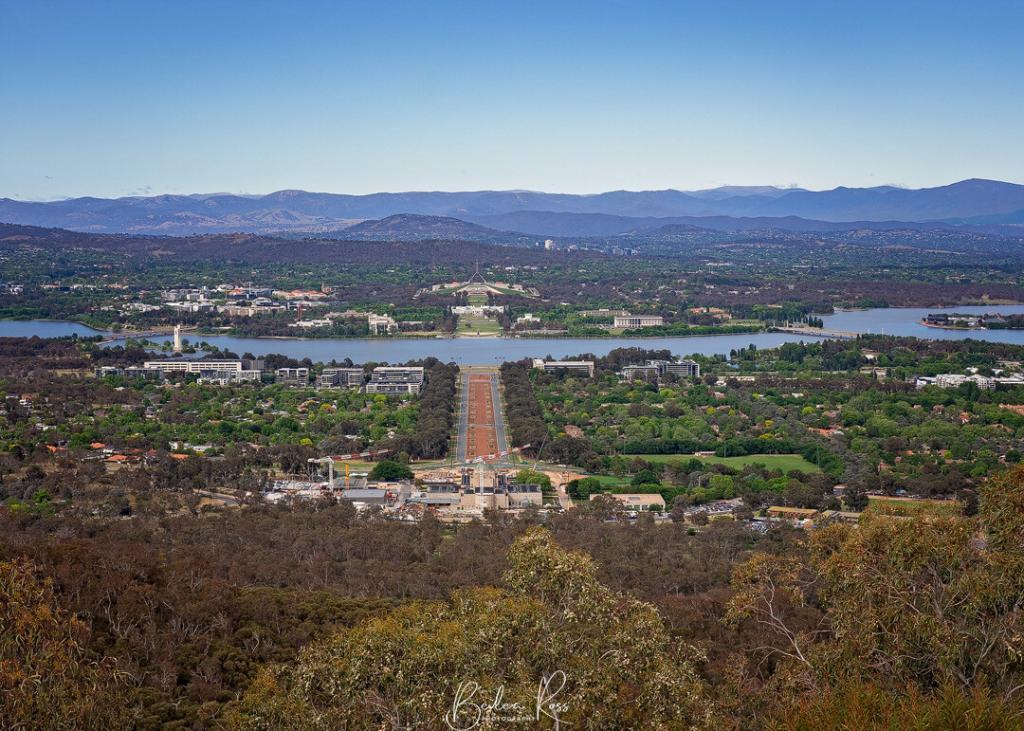
Mount Ainslie offers visitors two options to reach its summit – a scenic drive or a hike through the mountain’s natural bushland. The trails leading to the top provide a picturesque view of Canberra and its surrounding landscapes, including Parliament House, Lake Burley Griffin, and the Australian Alps. The summit of Mount Ainslie offers breathtaking panoramic views of the city and its surroundings, making it a must-visit destination for anyone travelling to Canberra.
Australian War Memorial (AWM)
The memorial’s stunning architecture and location on a hill overlooking the city make it a popular spot for photographers. The Australian War Memorial was established to commemorate the service and sacrifice of the members of the Australian armed forces and to honour the sacrifices of all Australians who have served in wars, conflicts, and peacekeeping operations throughout the country’s history.
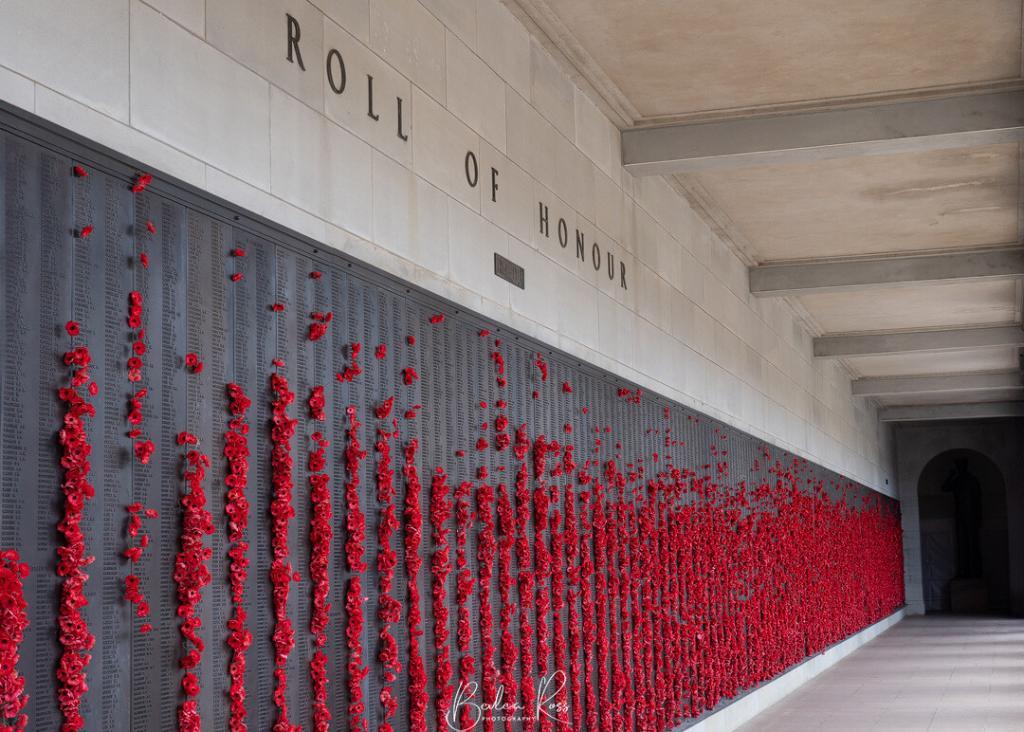
The building, designed by the architect John Castles and completed in 1941, is considered one of the most significant war memorials in the world. It features a shrine room where visitors can pay their respects to the fallen. The museum also houses a collection of artefacts, documents, and artwork related to Australia’s military history.
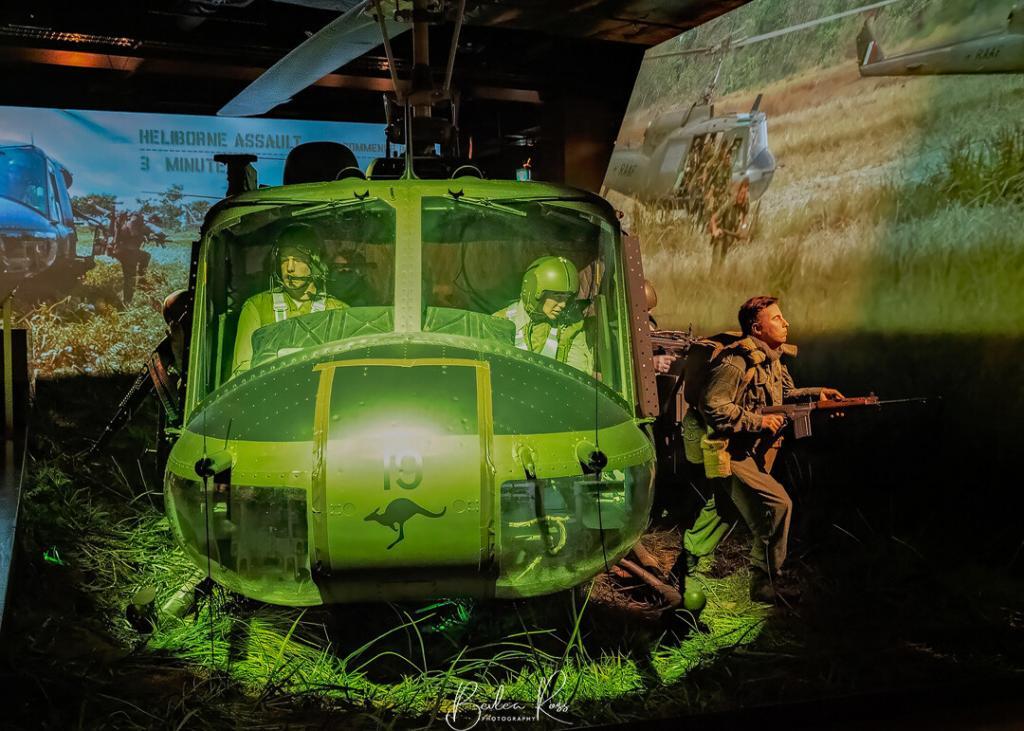
The museum’s exhibitions showcase the Australian military’s experiences and the war’s impact on the country and its people. Visitors can also view weapons, uniforms, medals, personal letters, interactive displays, and multimedia presentations, which bring the history of the Australian military to life. In addition to its exhibitions, the AWM also offers a range of educational programs, guided tours, workshops, and events, which provide a valuable resource for schools and educational institutions.
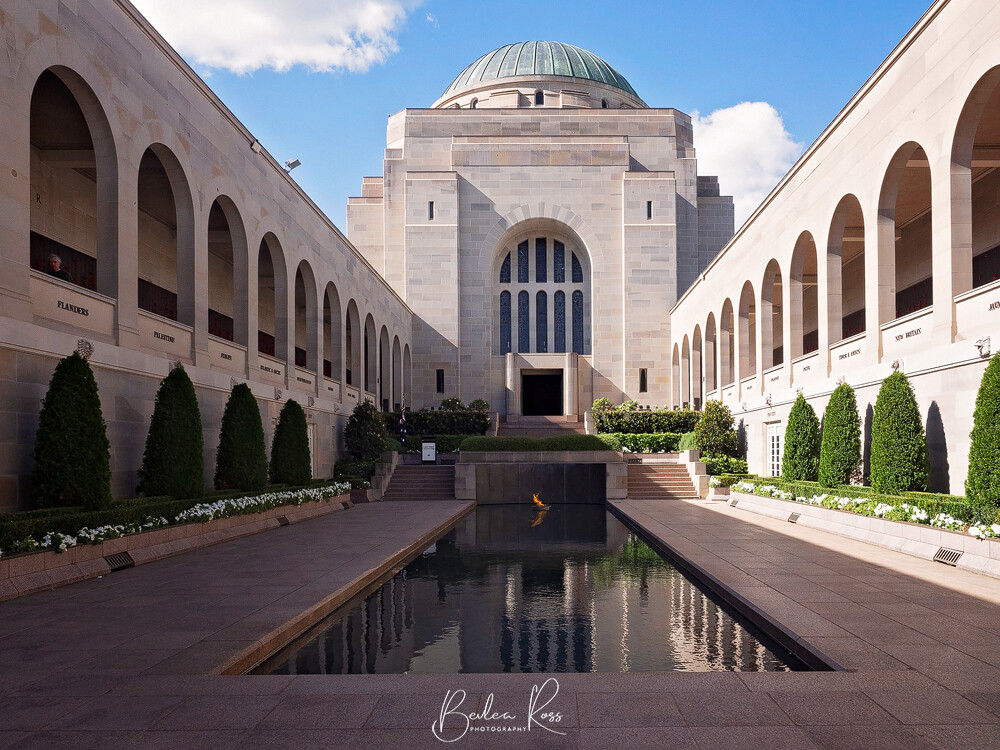
Photo Tip: The reflecting pool on a still day and the wall of poppies make great images.
Old Parliament House
This historic building was the seat of the federal Government from 1927 to 1988 and was designed by the architect John Smith Murdoch. It was officially opened on May 9, 1927, by the Duke of York (later King George VI). The building was initially intended to be a temporary structure. However, it has served as the federal government’s home for over 60 years. The Old Parliament House was the site of many important political and social events. These included opening the first federal parliament and swearing-in of Australia’s first prime minister, Edmund Barton.
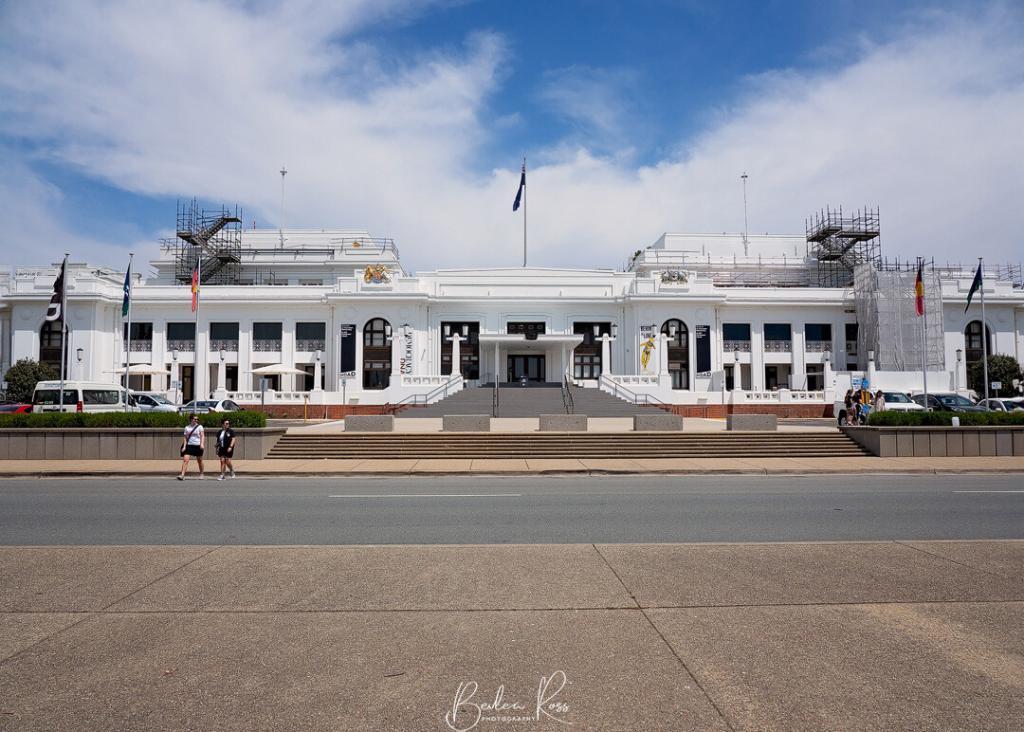
The Old Parliament House was replaced by the New Parliament House in 1988. However, it has been preserved and renovated as a museum known as the Museum of Australian Democracy. The museum showcases the Old Parliament House’s history and significance, offering visitors a unique insight into Australia’s political and social history. Visitors can explore the historic building and its exhibitions, including the House of Representatives and Senate chambers, the Prime Minister’s Office, and the King’s Hall.
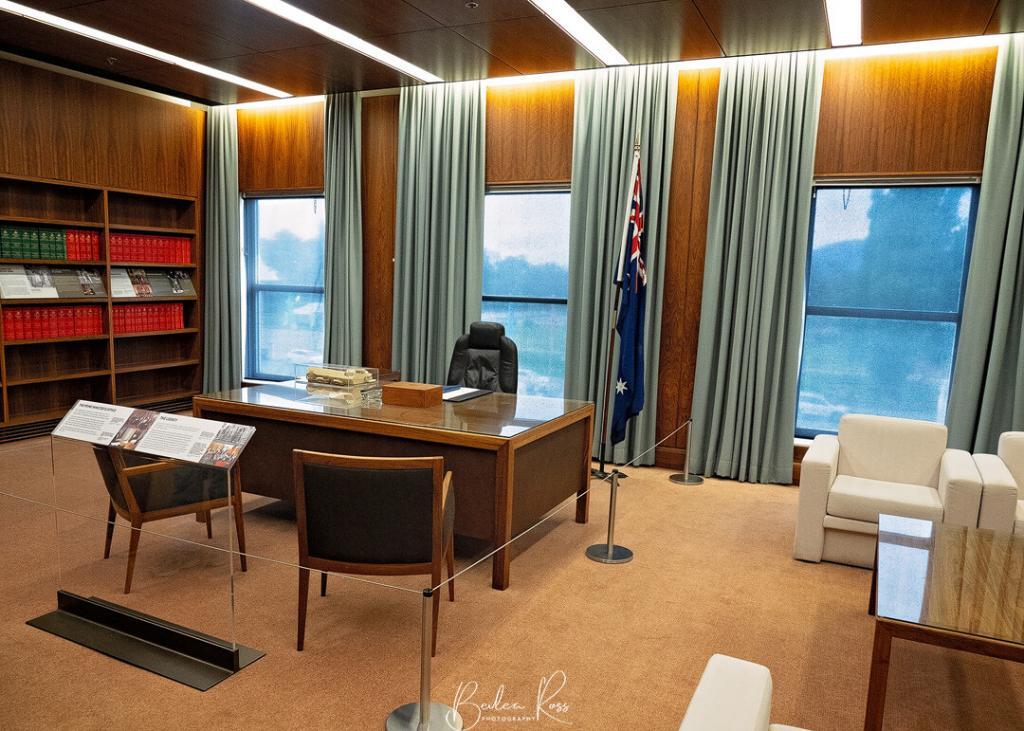
The museum also offers a range of educational programs and activities, including guided tours, interactive exhibitions, and special events. Its beautiful gardens and architecture make it a popular spot for photography.
National Museum of Australia
Located in the heart of Canberra, the building is considered an iconic piece of architecture. Designed by the architect firm Ashton Raggatt McDougall (ARM), it was completed in 2001. It has received several awards and accolades for its design. The Australian landscape inspires the building’s design and reflects the country’s natural beauty and cultural heritage.

The museum’s façade is characterised by its curved roofline and the use of natural materials such as timber and stone, which blend harmoniously with the surrounding landscape. The central atrium provides a dramatic entrance to the museum, with its soaring glass walls and natural light creating a welcoming and spacious atmosphere. The museum’s exhibitions are housed in a series of interconnected galleries, each with its unique character and atmosphere.
Ovolo Nishi Grand Staircase
Ovolo Nishi is a luxury hotel in Canberra, Australia, known for its unique and innovative design. One of the hotel’s standout features is its Grand Stair, a large, sweeping staircase that serves as the main entrance to the building.
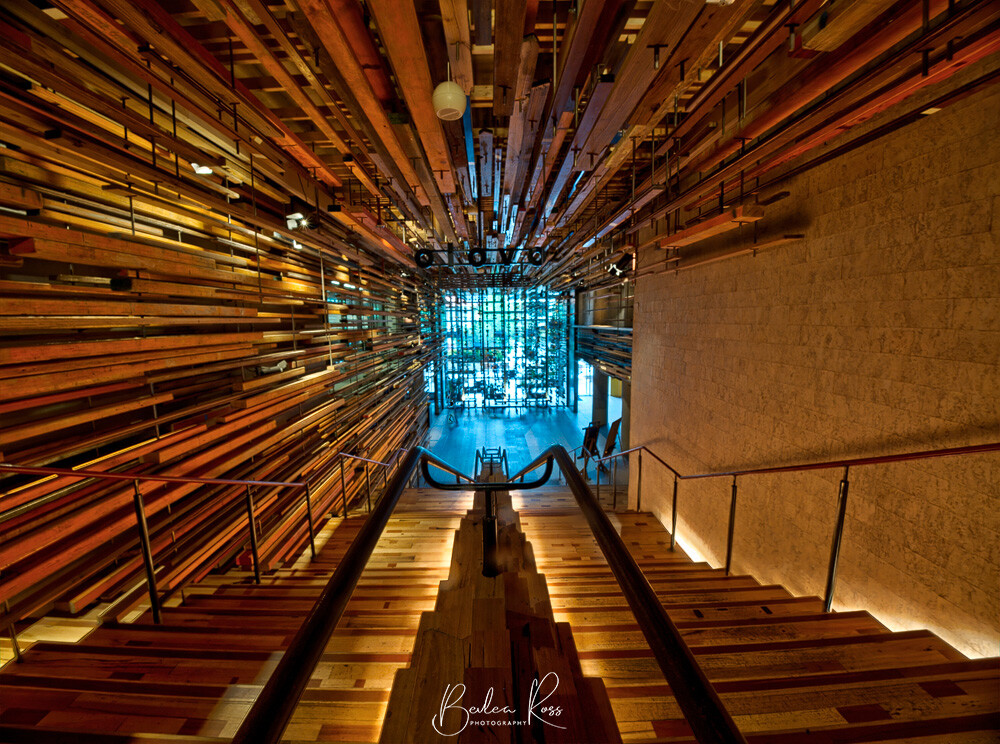
The Grand Stair is a stunning architectural feature that spans three floors and provides access to the hotel’s main lobby and guest rooms. The concrete stairs feature a striking, cantilevered design that appears to float in mid-air. The treads are lit from below, creating a warm and inviting atmosphere that welcomes visitors to the hotel. In addition to its functional purpose, the Grand Stair also serves as an art installation in its own right.
The National Arboretum
The arboretum covers an area of over 250 hectares and is home to a diverse collection of over 94,000 trees and shrubs representing over 100 countries worldwide. Established in the aftermath of the 2003 bushfires that swept through the region, its mission is to promote the conservation and protection of Australia’s forest heritage. The National Arboretum also features several other attractions, including the forest sculpture gallery, picnic areas, walking trails, and scenic lookouts.
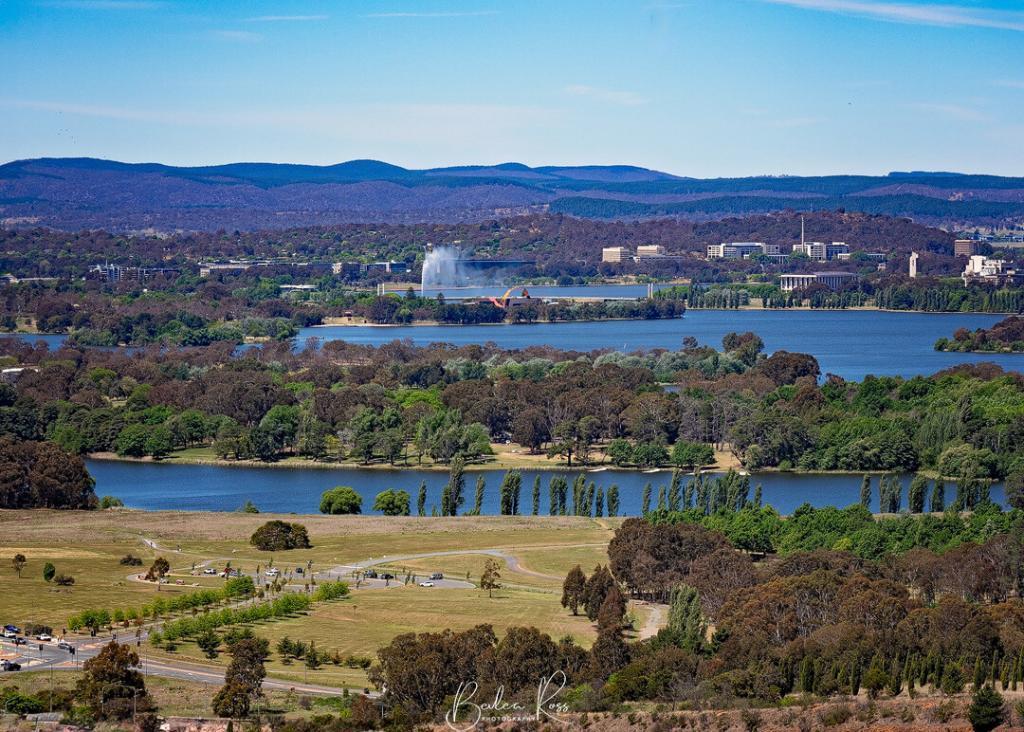
The arboretum is still growing, and most of the trees are not yet mature. While the views are great, the trees aren’t much to look at except in autumn. The Village Centre in the Arboretum houses a cafe, gift shop, and exhibition spaces. This makes it a great place to start or finish your visit to the National Arboretum.
National Zoo and Aquarium
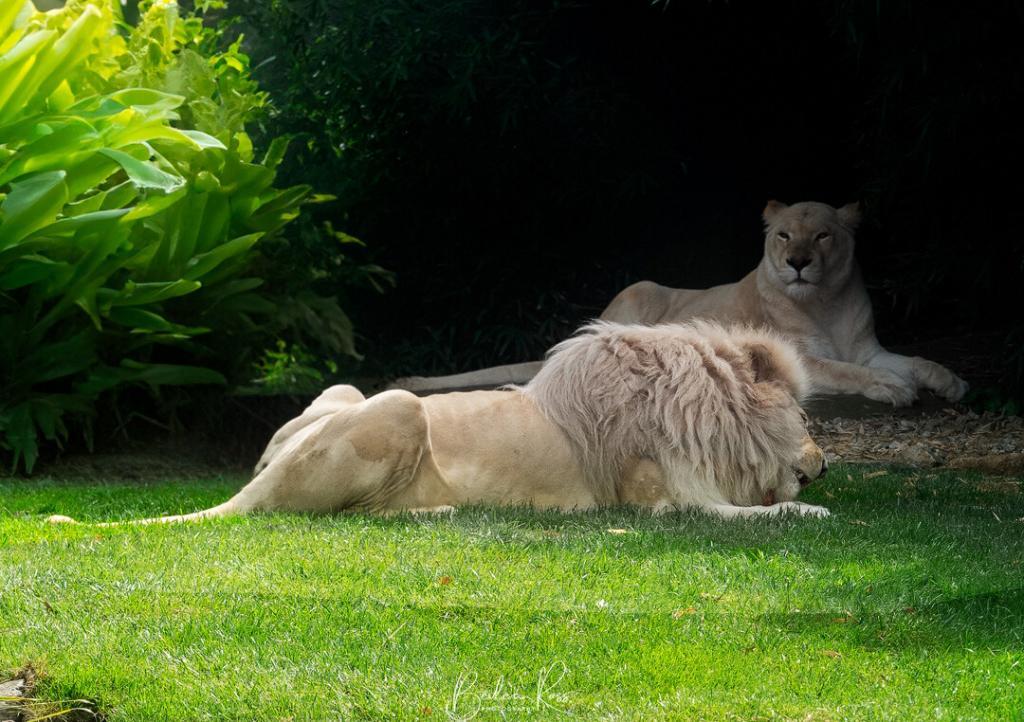
The zoo houses various animals worldwide. Animals include but are not limited to:
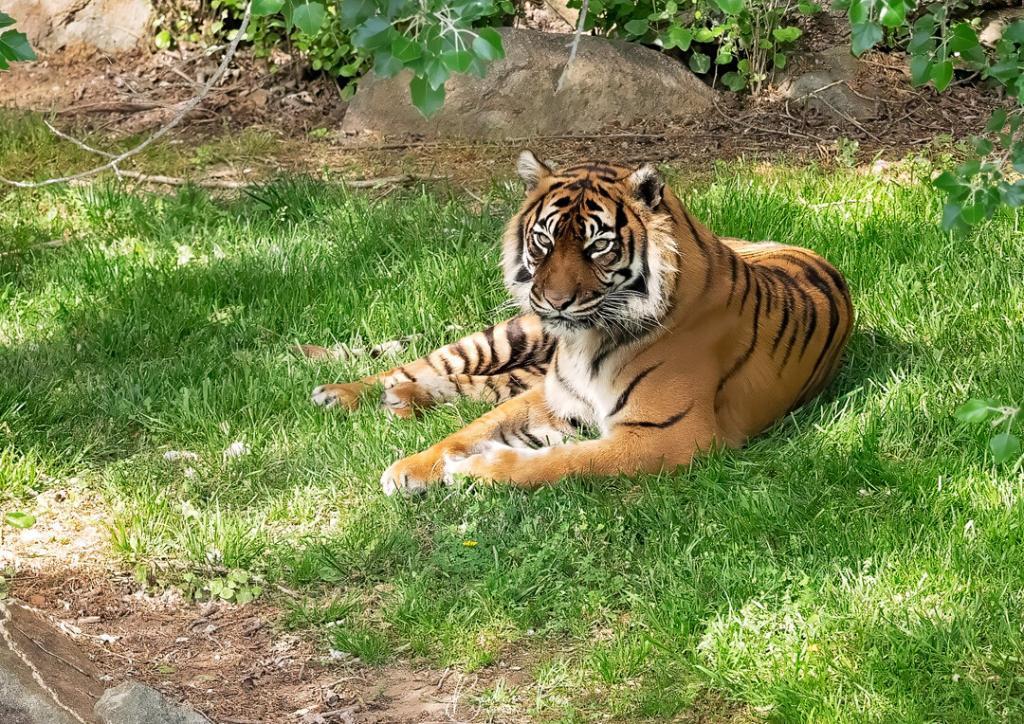
- Big Cats: lions, tigers, and Jaguars
- Primates: gorillas, chimpanzees, and orangutans
- Marsupials: kangaroos, wallabies, and Tasmanian devils
- Birds: parrots, owls, and various species of exotic birds
- Reptiles: snakes, lizards, and turtles
- Aquatic animals: sharks, rays, and multiple species of fish
- Other mammals: meerkats, red pandas, and ring-tailed lemurs
.

Exploring zoos has been a passion of mine, and I always make a point to visit a zoo when I visit a new Australian city. While Taronga Zoo was excellent, Adelaide Zoo disappointed me. Melbourne Zoo, Werribee Zoo, and Healesville Sanctuary were enjoyable and provided memorable experiences. However, the National Zoo and Aquarium at Canberra (NZA) blew me away with its exceptional enclosures. I can safely say that it is now my all-time favourite zoo.

The Aquarium
The National Aquarium, now known as the National Zoo and Aquarium, was established in 1990. At that time, around 30 different species were housed in the aquarium along with a large restaurant and a function area. The main attraction of the aquarium was a huge 1.5 million litre aquarium that featured an underwater viewing tunnel. This aquarium, produced by a local Canberra company was touted as the first of its kind in the world.

The aquarium occupied approximately 7 hectares of land and had multiple outdoor ponds and streams for trout farming. However, the aquarium faced financial difficulties, and some of its major exhibits were problematic. Within three years of its opening, the aquarium was sold to a new operator.
New Owners
In 1998, the facility was again up for sale and purchased by the Tindale family. Richard Tindale was a successful local businessman who had a passion for animals. He had travelled to Africa on multiple occasions and was interested in establishing a conservation breeding centre for big cats. Coincidentally, the wildlife park was put up for sale around the same time. His interest in animals at the time, along with several of his children. This prompted Richard to buy the facility in mid-1998. Initially, the Tindale family struggled to be accepted into the zoo arena, having had minimal background with zoo animals.

Renovations
Over the course of the following two years, they diligently worked on repairing and replacing numerous parts of the existing facility and enclosures. Unfortunately these had been poorly maintained for several years. During this time, they discovered that the primary attraction of the facility, the 1 million litre walk-through aquarium, had to be permanently closed down due to the presence of concrete cancer in the walls of the aquarium.

In 1999, the first significant enclosure was completed. This enclosure housed 3 Brown Bears that had to be re-homed after living for years in a private collection. In 2000, construction began on several big cat enclosures to house some retired circus lions, leopards, tigers and a pair of tigons (a cross between a lion and a tiger). By 2001, the wildlife park was in full swing, at one stage having 14 new exhibits under construction. These would, when completed, house more big cats, native animals, a variety of primate species. New enclosures were also underway for large ungulates such as zebra, antelope and giraffe. The wildlife park changed its name to the “National Zoo & Aquarium” upon completion.

Bushfires Threaten
Between 2001 and 2003, the zoo battled Canberra’s bushfires on two separate occasions. The once-established pine forest surrounding the zoo was also turned to cinders. It was suggested that the zoo should potentially expand into adjoining land. Over the next five years, the zoo continued to develop, negotiate, and design a potential future expansion.

This phase of the facility lasted around five years. During this period, the new operator added several outdoor exhibits, mainly of native wildlife. The large aquarium was converted from saltwater to freshwater to reduce costs. The overall theme of the facility changed in an attempt to meet the demands of a large Asian tourist market. It offered an “Australian” experience incorporating the wildlife park aspects and other activities such as fly fishing in the trout ponds, sheep shearing and boomerang throwing demonstrations.

Immersive Habitats
The zoo is known for its exceptional effort to provide a natural habitat for animals that closely resembles their native environment. As you explore the zoo, you’ll come across a wide variety of ecosystems, ranging from lush rainforests to arid deserts. The leopard enclosure boasts cascading waterfalls and lush greenery, while the tiger enclosure has viewpoints from multiple sides, a large lake, and an overhead walkway. The enclosures are designed with minimal wire and instead have glass, moats, or overhead paths, giving visitors a sense of openness. These enclosures are created to ensure the animals’ well-being and provide visitors with a chance to observe them up close in a natural setting.

The African lions, which include white lions, can be seen basking in the sun, separated from visitors by a low fence and deep ravine. Across another low fence, cheetahs can be seen snoozing on green lawns. Visitors can also watch squirrel monkeys play on their island next to the café. One of the zoo’s main attractions is its impressive collection of Australian wildlife, featuring kangaroos, koalas, and wombats. These iconic animals provide a unique opportunity for visitors to learn about Australia’s indigenous fauna.
Educational Opportunities:
NZA serves not only as an entertainment destination but also as a center for education and conservation efforts. The zoo provides informative presentations and guided tours that enable visitors to gain knowledge about the animals, their natural habitats, and the significance of wildlife conservation.

Conservation Initiatives:
The zoo is dedicated to conservation efforts within and in the wild. They participate in various breeding programs to help endangered species recover and contribute to global conservation initiatives. By visiting the zoo, you not only support these vital conservation projects but also gain a deeper understanding of the challenges faced by wildlife today.

Visiting Information:
Location: The NZA is conveniently located within easy reach of the city centre, making it a perfect day trip for visitors and locals.
Opening Hours: The zoo is open year-round, with seasonal variations in hours, so be sure to check the official website for current details.
Tickets: Admission prices vary depending on age, and discounted rates are often available for families and groups. Annual memberships are also available for those who plan to visit regularly.
Accessibility: NZA strives to be accessible to all visitors, with facilities for people with disabilities as well as many ramps instead of stairs.

The National Zoo and Aquarium is more than just a place to see animals; it’s a place to connect with the natural world. Whether you’re a nature enthusiast, or simply looking for a fun day out, the Zoo offers a memorable experience. So, plan your visit today and embark on a journey of discovery at this remarkable zoological park.
GENERAL ENTRY
Children 3-17 years (or enrolled secondary student) $32
Tertiary Students with student card $48
Seniors Card/Pension Card Holders $48
Adults $55
Family – 2 adults and up to 3 Children $152