
Tag:penguins

Summerlands at Phillip Island have been the natural habitat of Little Penguins for centuries. During the day, they venture out to catch fish and return to their nests on Phillip Island at the Summerlands Peninsula as night falls. Here, they incubate their eggs, care for their young, and shed their feathers. The spectacular sight of these penguins returning to their homes at sunset has been a popular attraction for over a century.
How it all began
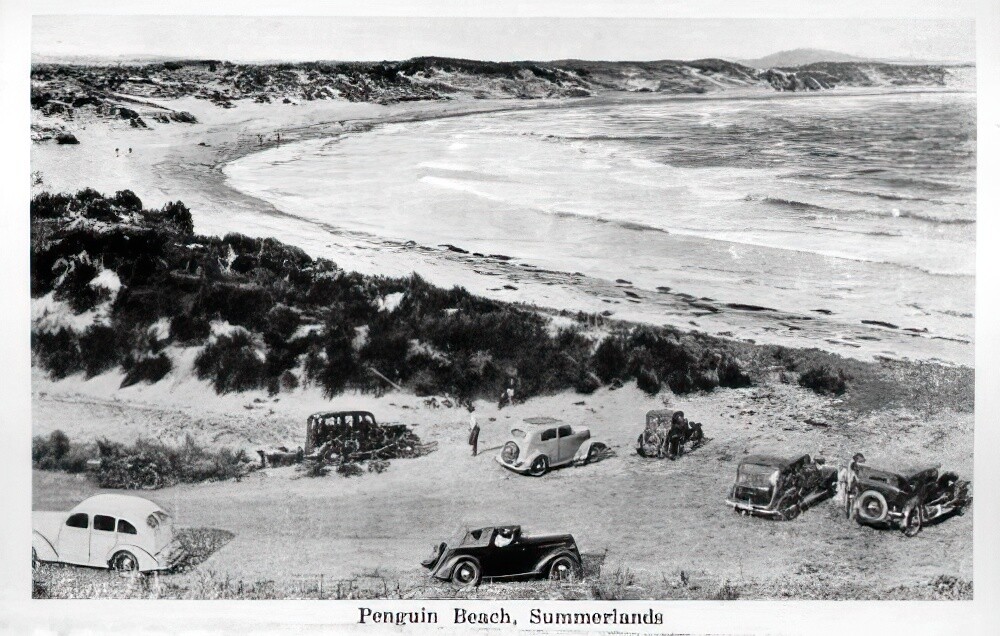
The story of Summerlands Beach and its beloved penguins dates back to the 1920s and three Phillip Island locals, Bert West, Bert Denham, and Bert Watchorn. The three Berts were the first to open the beach for organised penguin viewings. They greeted visitors getting off the ferry and offered personalised tours of Summerlands and Phillip Island for just five shillings a piece. For an extra shilling, you could get strawberries and cream.
In the 1940s, visitor numbers soared when the bridge from the mainland to Phillip Island was erected at San Remo. At this point, tourists began flocking to the pristine shores and started building houses around Summerlands Beach.
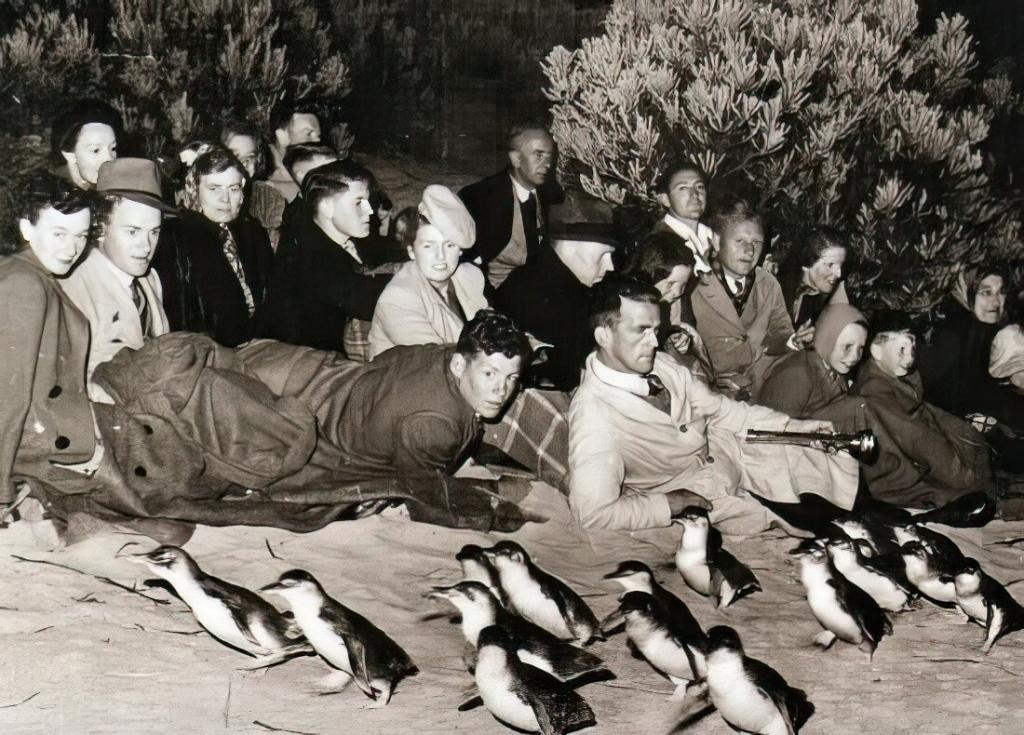
Prior to a formal sanctuary, beachgoers would pack their baskets and gear, heading to the shores to witness the enchanting sight of penguins emerging from the water. Although seemingly innocent, this practice took a toll on the penguins’ natural habitats and homes, as the influx of tourists disrupted their daily routines.

Summerlands Estate
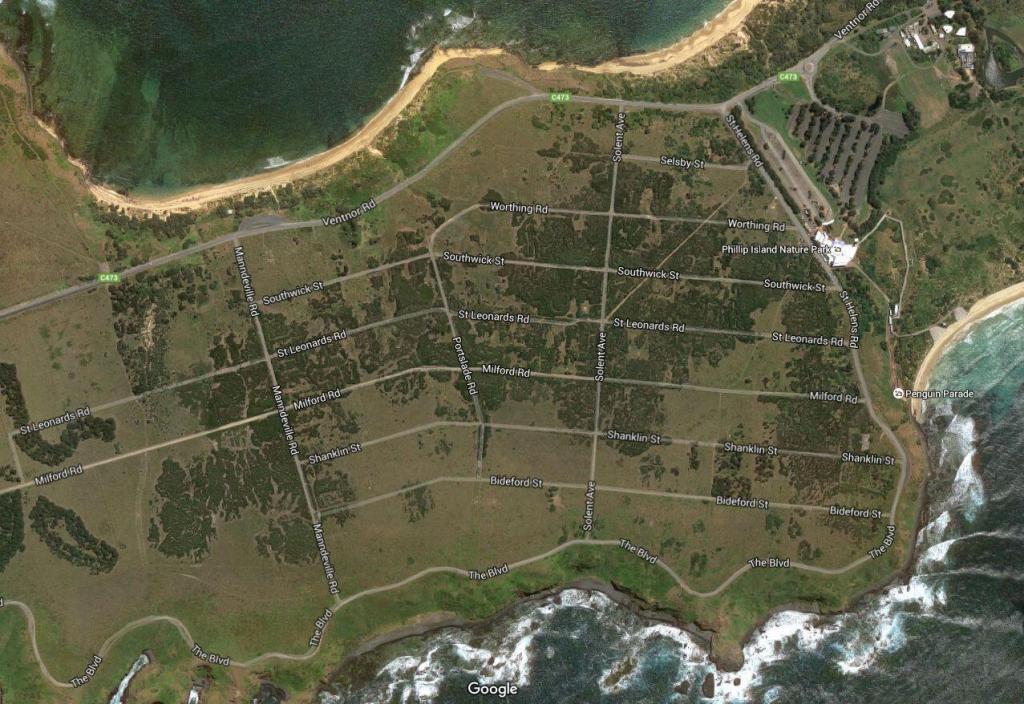
During the 1920s, the peninsula was divided into 900 plots of land and named Summerlands Estate. It mainly consisted of exposed land bordered by steep cliffs that dropped into the Bass Strait. In the late 1940s, several families from Melbourne purchased plots and constructed simple fibro holiday homes.
Over time, the number of homes in the area grew to around 177 by the 1980s. However, this growth brought challenges, as dogs and foxes began endangering the penguin population, and road accidents became more frequent. As a result, the local penguin study group became increasingly worried about the declining penguin numbers. They feared the penguin colony wouldn’t survive if something wasn’t done.

More concerning, however, was the danger that the holidaymaker’s canine companions posed to the Little Penguins. The introduction of dogs to the area contributed to a significant drop in their population. Before long, all but one of the colonies on Phillip Island were decimated. Only the Summerlands colony remained. It became clear that a change in public behaviour towards these valuable creatures was necessary to avoid causing more harm.
The Great Govt buy back
In July 1985, the state government, under the leadership of then-premier John Cain, made a groundbreaking decision. After much lobbying and discussions, they decided to purchase the entire Summerlands estate. They would buy back all 774 allotments and transform it into a wildlife reserve for the little penguins. Nevertheless, this decision brought about significant distress. Understandably, the residents of Summerlands were not pleased with this decision as it would end their community.
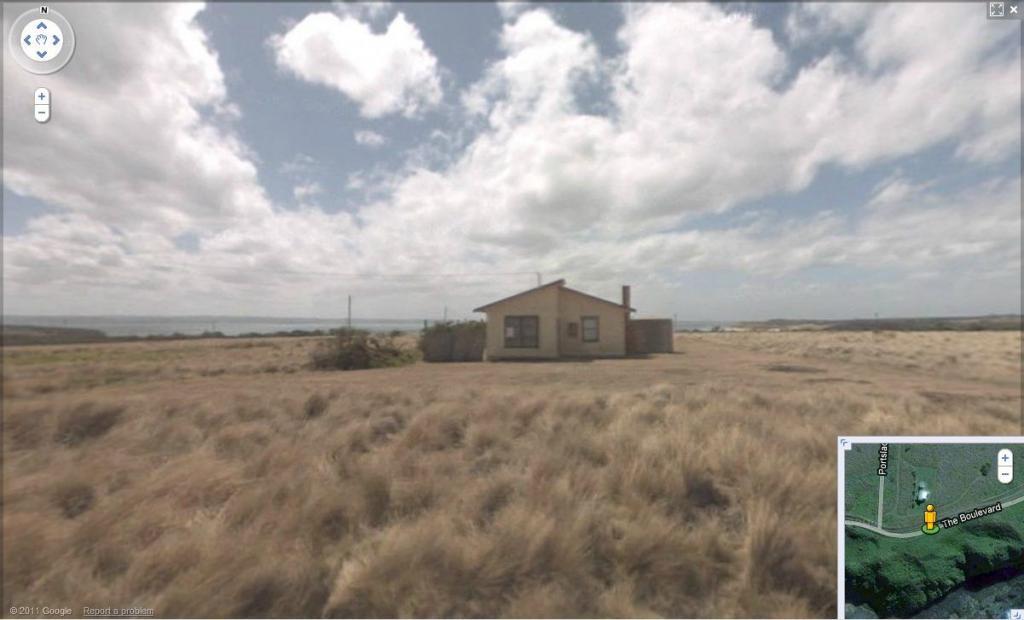
By 2007 there were just a few holdouts left. The government then compulsorily acquired the final 42 properties. Twenty empty blocks and twenty-two with houses, held by 34 private owners. After a tumultuous period, the buyback program finally ended in 2010, which many attributed to insufficient funding. During this time, the estate’s future was uncertain, and residents could not work on their properties, much to their dissatisfaction. After the completion of the buyback, all the houses were demolished or removed. The government then spent $3.4 million on a habit restoration program. They continue to install and maintain nesting boxes as well as pest control (eliminate foxes, feral cats and rabbits).
the Little (fairy) Penguins
Little penguins, also known as fairy penguins or Little Blue Penguins, are aptly named due to their small size, weighing just under a kilogram and being slightly larger than a bowling pin. They are the smallest among the 18 penguin species worldwide, and their blue and white feathers are unique to their kind. Along the coastlines of southern Australia and New Zealand, you can find little penguins. However, the largest colony and the last one located on Phillip Island is on Summerland Peninsula, with an impressive 40,000 breeding penguins.
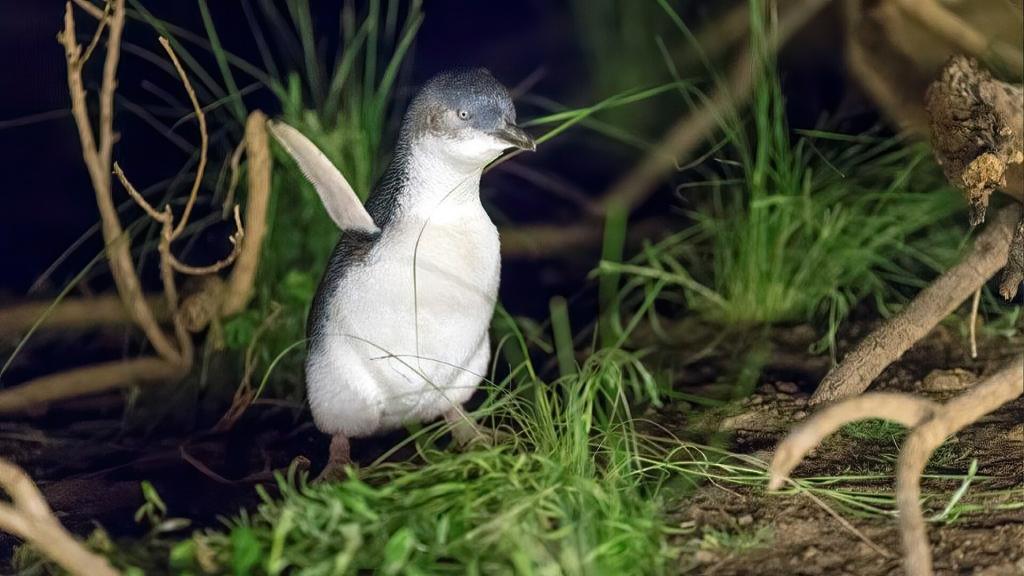
A win for the penguins
The buyback initiative has been deemed a significant victory for conservationists. It immediately resulted in a notable reduction in penguin fatalities from road or dog accidents. In the past, the penguin population was estimated to be between 12,000 to 14,000 in 1984. Fast forward to today, and it currently stands at approximately 40,000 breeding penguins. The region’s preservation has also positively affected other creatures, such as Short-tailed Shearwaters (aka mutton birds).
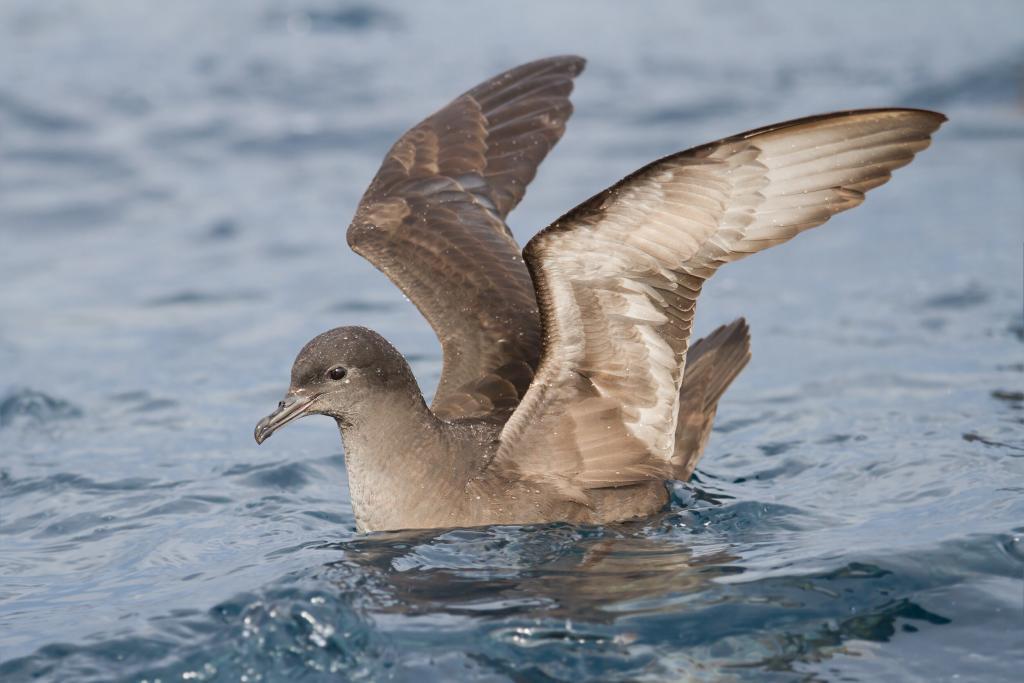
In another clash of progress and wildlife, the short-tailed Shearwaters are known to flock to the San Remo bridge lights during their migration. Therefore the bridge lights are switched off for a few nights around April 25 during the departure peak. Signs at either end of the bridge warn drivers of the changed traffic conditions.
Another win for conservation at Phillip Island has seen the recent release of the endangered Eastern barred bandicoot.
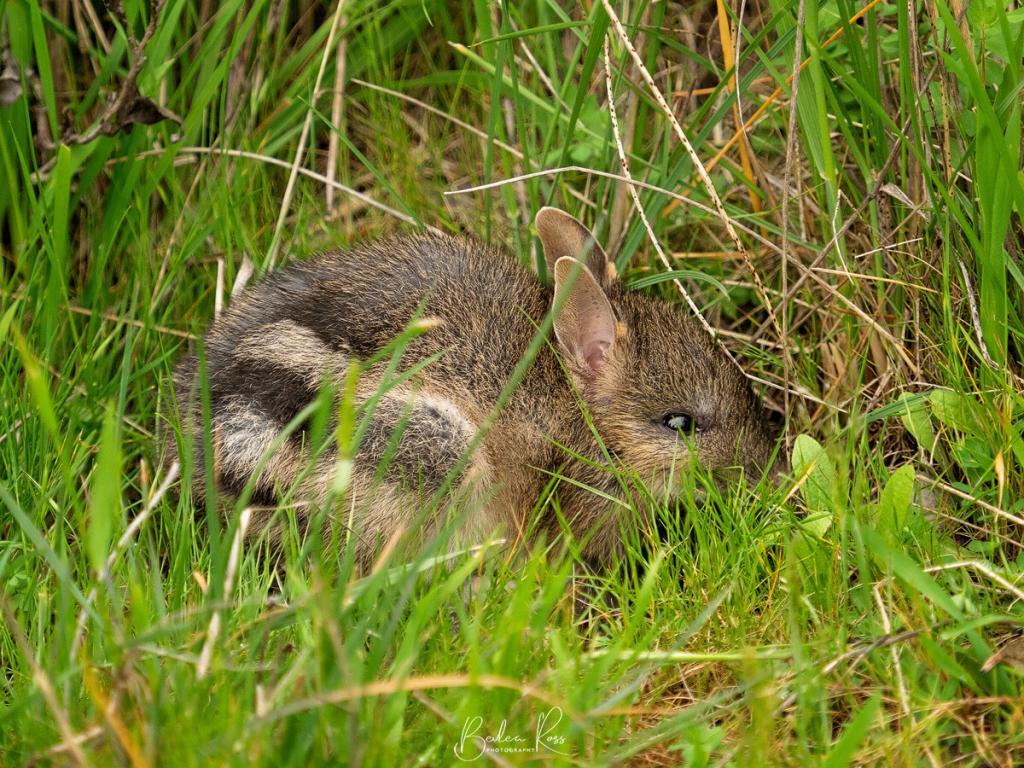
Facilities Today
At the main penguin viewing area, visitors can enjoy a 180-degree elevated platform that overlooks the coast. The penguins usually spend their day in the ocean hunting for food, so they only swim up to rest for the night. Returning at sunset from a long day of fishing, the penguins make their way up the beach to their burrows. The penguin parade platform is right along the sandy shore, offering guests a front-row seat as the penguins waddle up the sand.
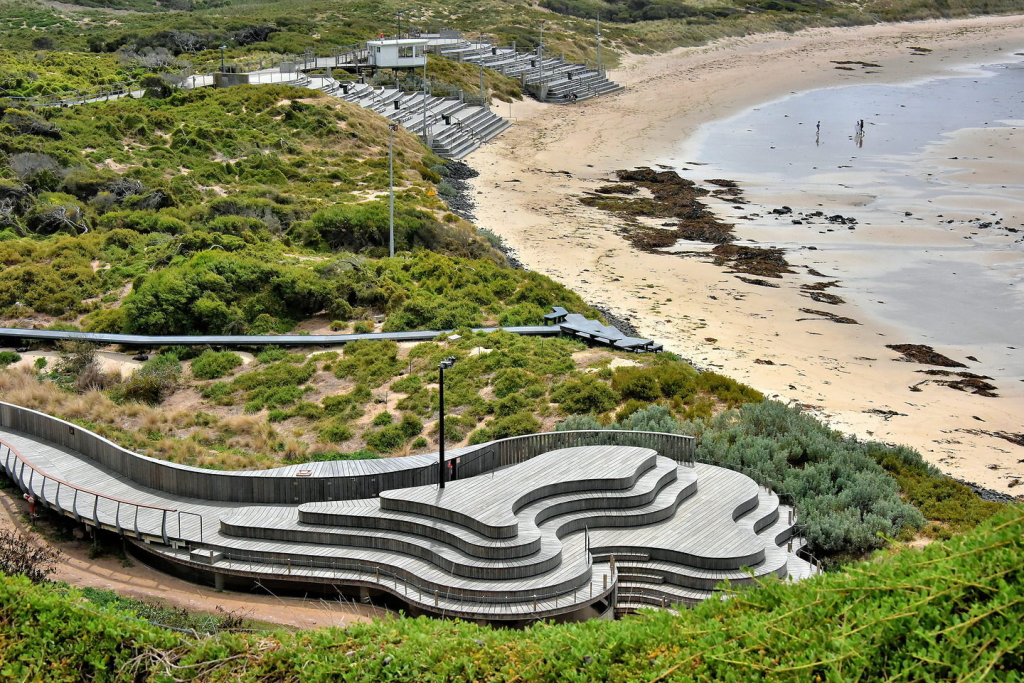
There are ‘levels’ for those wishing to purchase tickets, with the top tier ticket being in the underground viewing section. This allows eye-level viewing of the penguins as they come ashore and the comfort of being inside, out of the weather. It does get freezing on the beach at night.
The Phillip Island Nature Park is one of the best eco-tourism facilities in the world. It balances scientific research and conservation with visitor education and unique wildlife experiences.
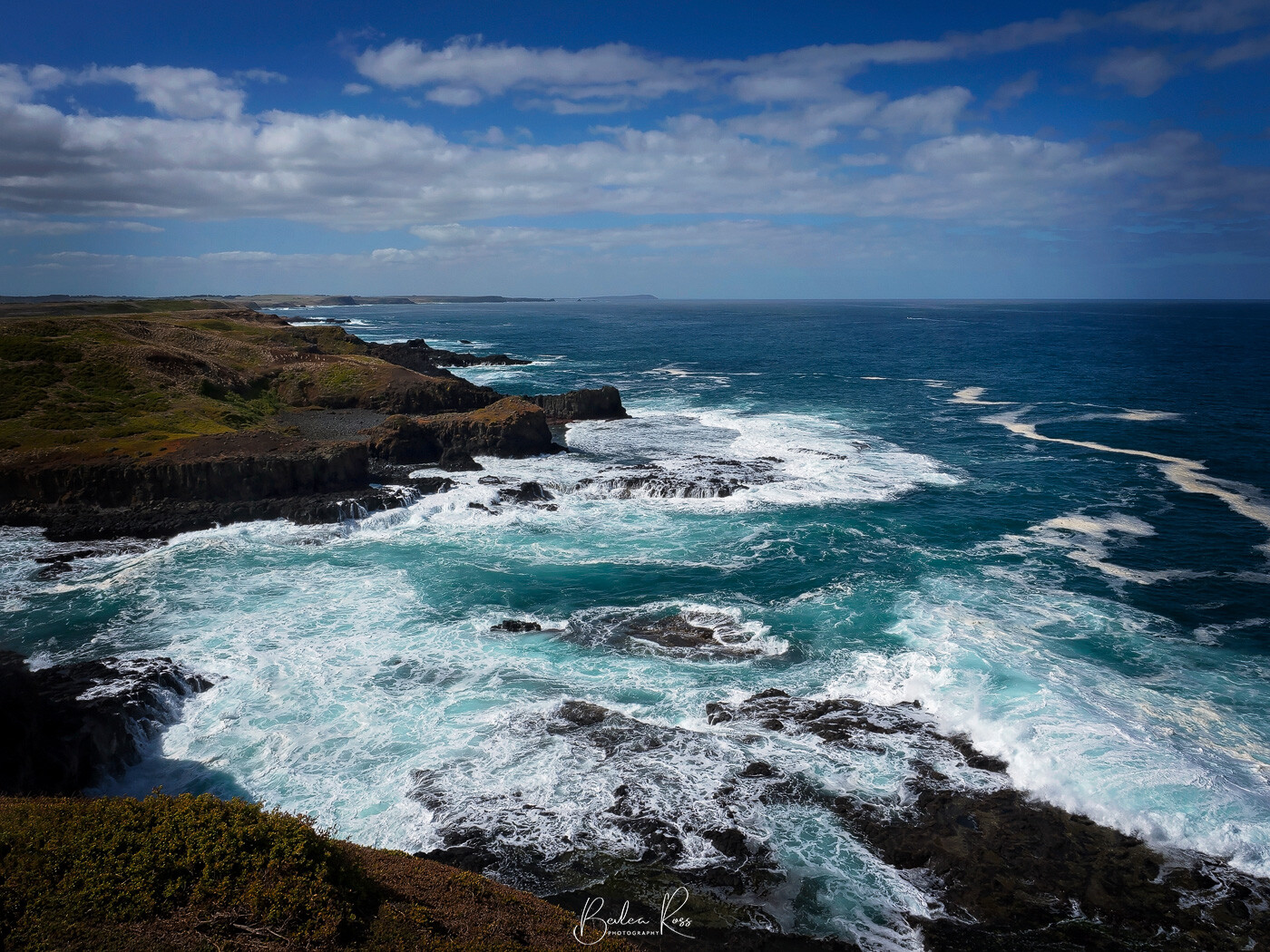
Renowned for its breathtaking landscapes and diverse wildlife, The Nobbies on Phillip Island is one of Victoria’s must visit spots. This area abounds in natural wonders, vibrant sea creatures, and pristine allure.
Located on the southwestern coast of Phillip Island in Victoria, The Nobbies is a popular tourist destination that offers a breathtaking view of Bass Strait.

Geological Marvel
The Nobbies is a remarkable headland that displays awe-inspiring views from the clifftops. Its stunning rock formations result from millions of years of natural forces at work. The area comprises basalt formations shaped by the relentless pounding of the Southern Ocean, creating a mesmerising landscape of sea cliffs, caves, and rock stacks. This geological wonderland attracts visitors from all around the world who come to marvel at its stunning natural beauty.
Marine Life Extravaganza
The Nobbies is more than just a geological wonder. It also boasts a thriving marine ecosystem with various plants and animals. The chilly waters surrounding the headland offer an ideal home for seals, penguins, and many seabirds. Likewise, nearby Seal Rocks are home to a sizable population of Australian fur seals, which delight visitors with their playful behaviour and elegant dives. These charming creatures enhance The Nobbies’ appeal and emphasise the island’s important role in safeguarding marine biodiversity.
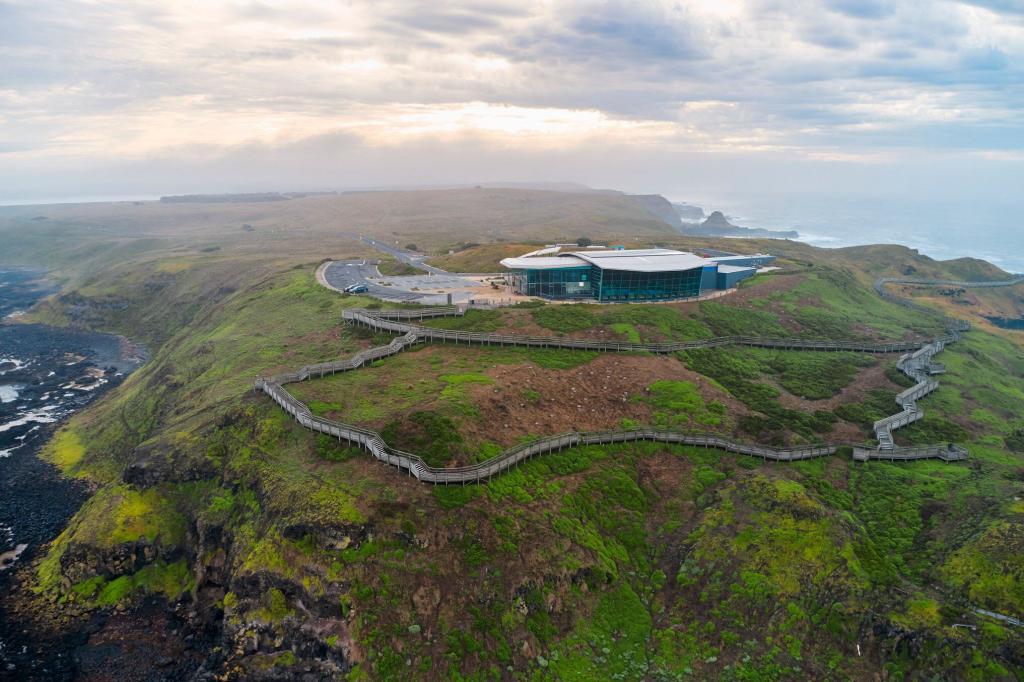
Penguin Parade
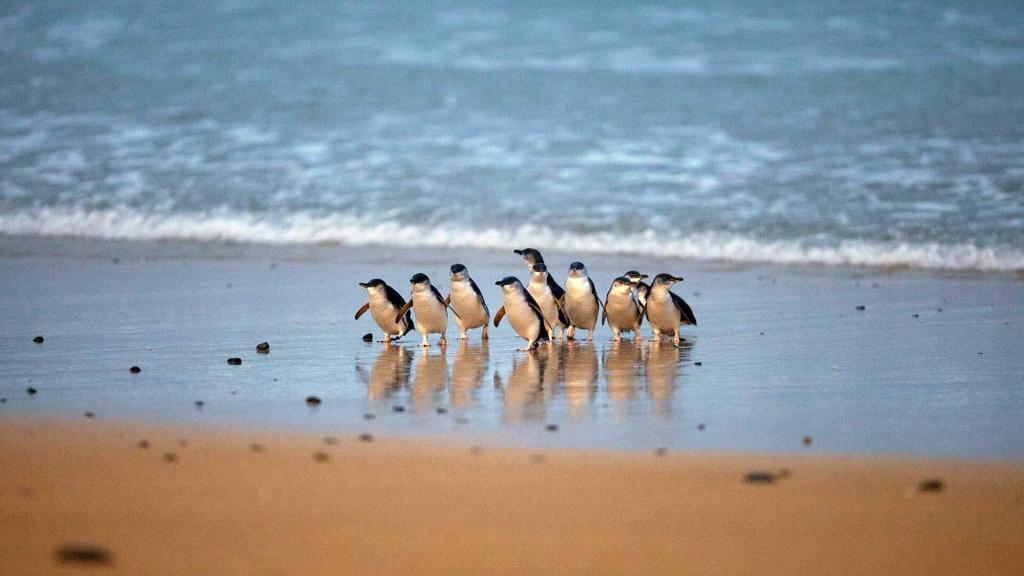
The Penguin Parade at The Nobbies is a significant draw for visitors. It’s an incredible sight at sunset as the hundreds of tiny penguins return to their burrows on Summerland Beach. Specially built viewing platforms allow visitors to watch these charming creatures waddle onto the shore after a day of hunting in the sea. This daily spectacle serves as a valuable educational experience, highlighting the importance of preserving the natural habitats of these vulnerable seabirds.
Please note that there is an entry fee for attending the penguin parade, and photography is prohibited. The reason provided for this rule is to avoid disturbing the birds, although some may argue that this is an exaggerated claim. Especially in light of there being numerous locations worldwide where penguins can be photographed without any negative impact on their well-being.
Conservation Efforts
The Nobbies and surrounding areas hold great ecological significance, and various conservation initiatives have been taken to protect and preserve this remarkable ecosystem. Parks Victoria has collaborated with local authorities and environmental organizations to implement strict regulations for site management. These measures include visitor guidelines, habitat restoration projects, and ongoing research to monitor the marine environment’s health. Phillip Island aims to balance tourism with conservation to maintain the delicate equilibrium between human enjoyment and preserving its natural treasures.
Fast Facts
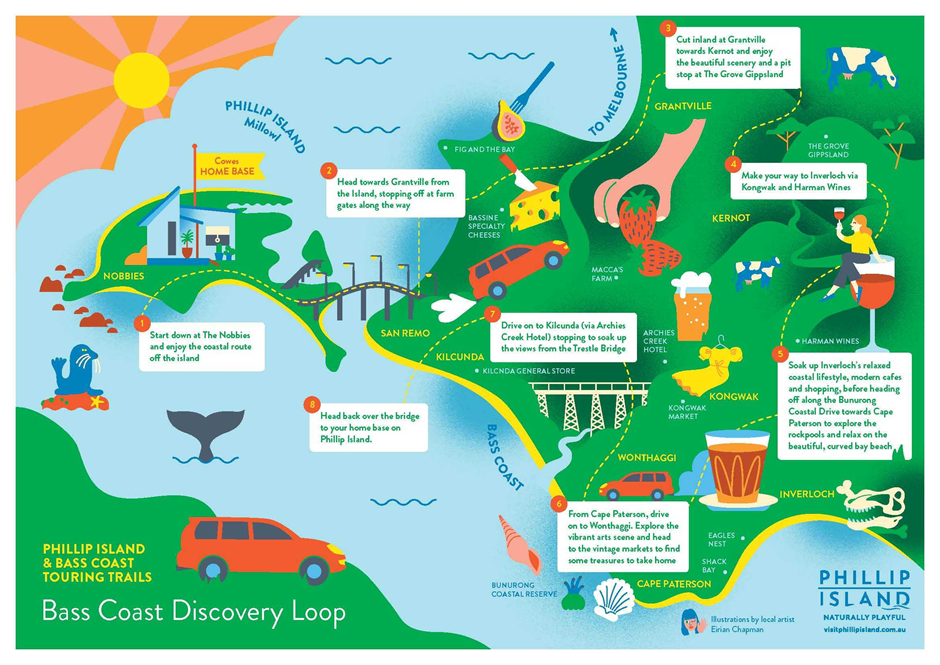
- Entry toThe Nobbies is free
- Distance/Time – 800 metres return / 20 minutes return
- The easy, primarily flat timber boardwalk around the headland; however, the lower section has steps
- Ample parking at Nobbies Centre (sealed) car park
- Designated Accessible Parking and toilets available
- Suitable for Wheelchairs for approx first 800m of timber boardwalk in the upper-level Pram friendly
- Bicycles and Dogs not permitted