
Tag:photography

Dows Pharmacy at Chiltern was established in 1859. The pharmacy holds significant historical value as it is one of the few shops that have been preserved in its original state, providing a unique insight into the past. Although it closed in 1968, the pharmacy’s contents remained untouched, making it a unique time capsule of the past.
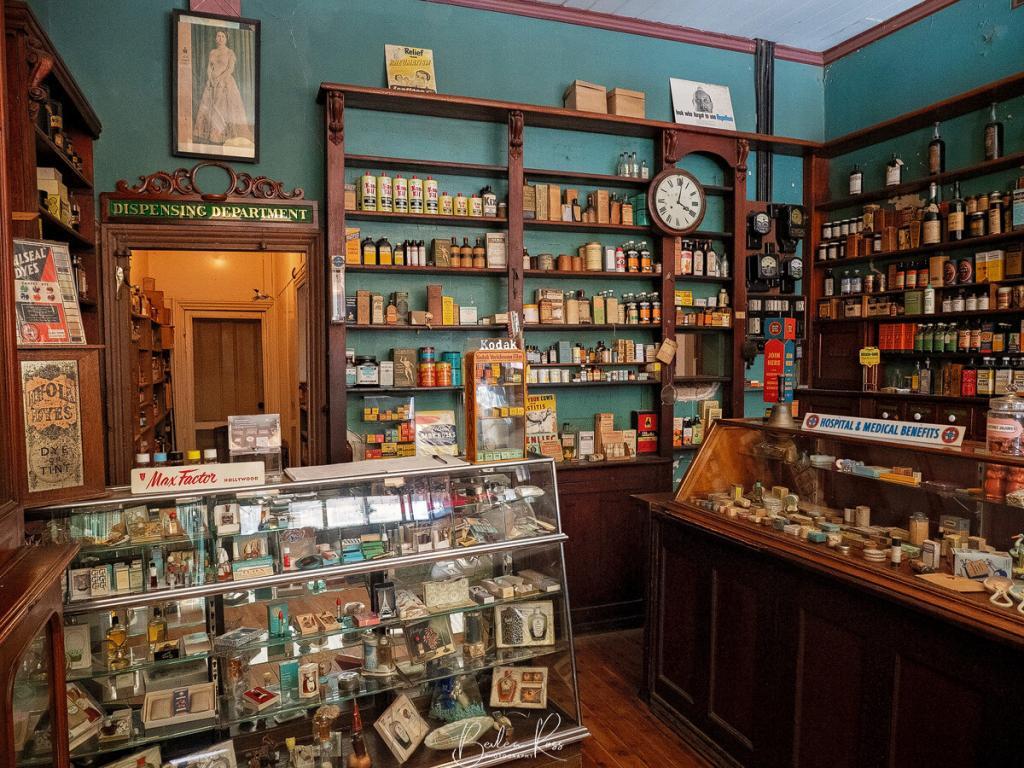
The Pharmacy was first run by William Witt, who opened the doors in 1859. David McEwen owned the pharmacy from 1864 to 1891. He was the father of the Australian prime minister, John McEwen, who took over the Prime Ministership in a caretaker role upon the disappearance of Harold Holt. In 1929, Hilda Dow purchased the pharmacy. The Dows ran it for the next 38 years until Hilda retired in 1968. During their tenure, the pharmacy became a thriving community hub, providing essential services to the people of Chiltern.
Hilda Dow
Hilda Dow (nee Grey) was the daughter of police magistrate Charles Grey and sister of Royal Melbourne Hospital Lady Superintendent Helene Grey, OBE. She became a student of the Victorian College of Pharmacy in 1919. In 1929, she worked at Poynton’s pharmacy in Morwell, when she purchased the pharmacy at Chiltern in Victoria. She was elected to the Pharmaceutical Society of Victoria as a member in 1930.
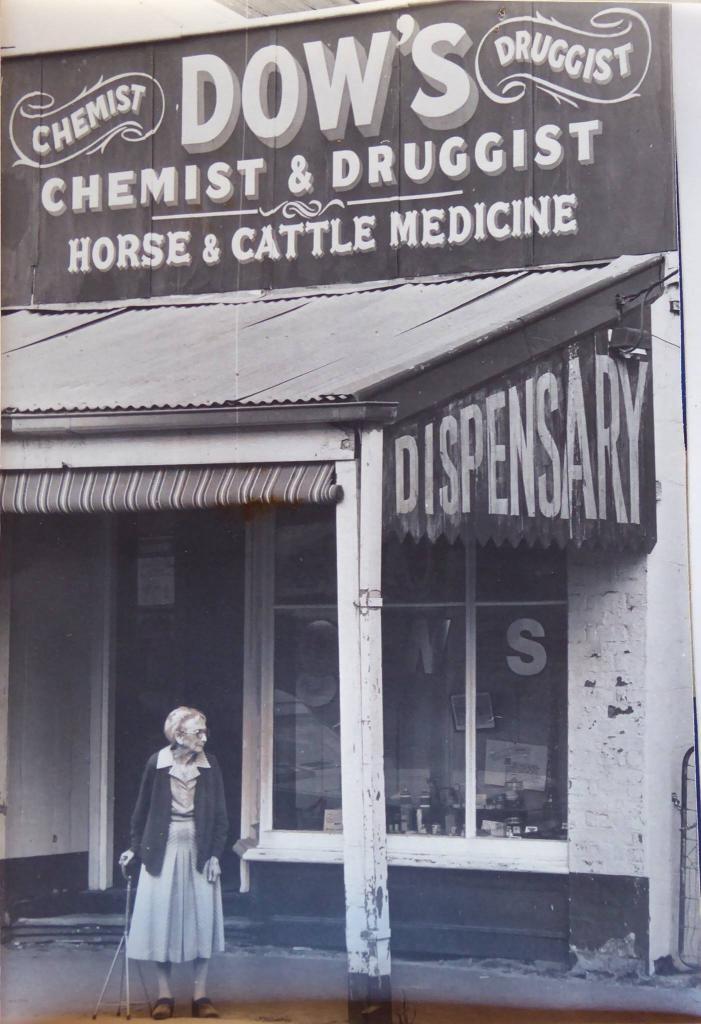
Hilda purchased the pharmacy in 1929 on the eve of the great depression. Until they married in 1931, Hilda resided at the hotel across the street while Roy lived in the residence at the back of the pharmacy. After their marriage, Hilda joined him in the residence. Hilda apprenticed Roy in 1933, and the couple ran the pharmacy in Chiltern until 1968 when they closed the doors.
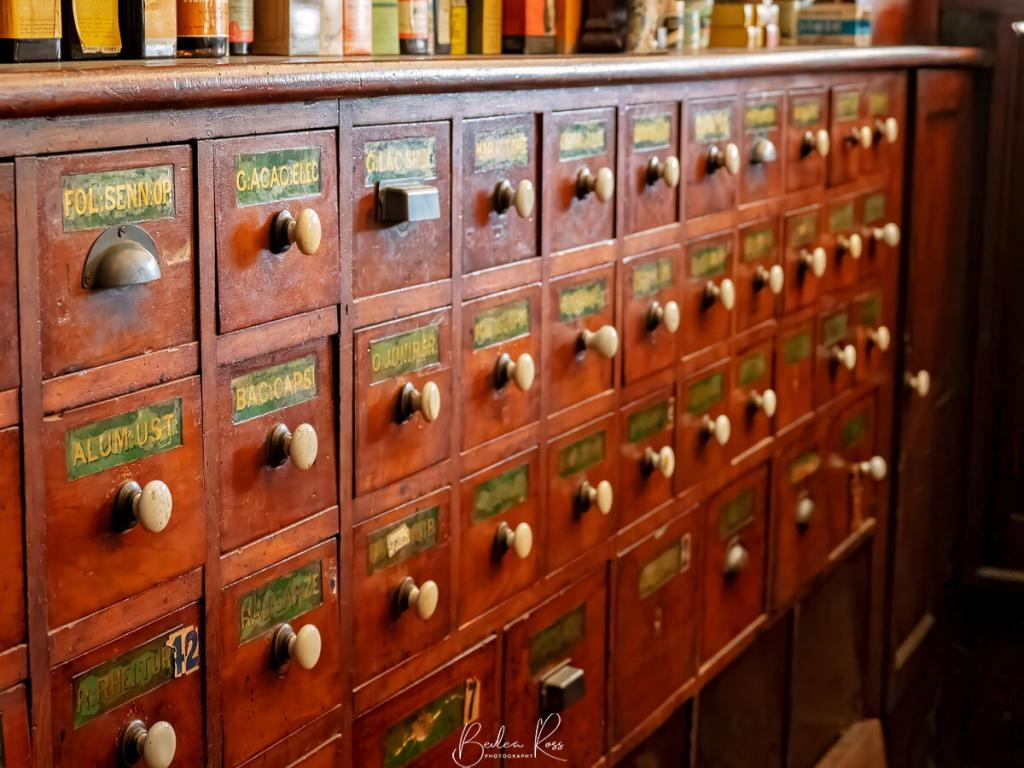
After retiring in 1968, Hilda Dow attempted to sell her pharmacy, but unfortunately, no buyers were interested in purchasing it. As a result, it remained closed and abandoned for many years. Finally, in 1988, Mrs. Dow generously donated the pharmacy to the National Trust. Dows pharmacy is now a museum for visitors to explore. Hilda Dow was also a highly involved member of various organisations, including the North East branch of the National Trust, the hospital committee, the Infant Welfare Centre board, the Red Cross, and the Chiltern Branch of the County Women’s Association, where she held a leadership position.

National Trust
The National Trust now runs the pharmacy as a museum. A collection of more than 4,000 original items offers an fascinating insight into the history of medicine and pharmacy. Visitors can explore a variety of artifacts, such as bottles, jars, scales, measuring cups, dispensing equipment, and displays of medicines, photographic supplies, and shop fittings.
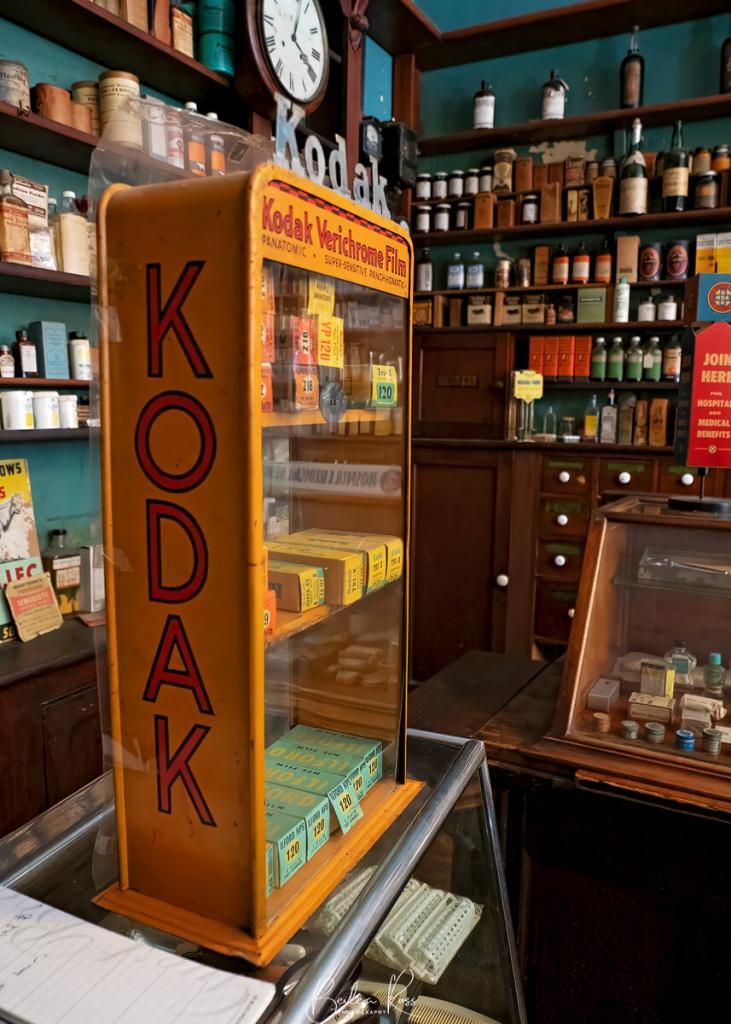
One of the most striking features of Dows Pharmacy is its time capsule-like atmosphere. The contents of the pharmacy were left untouched when it closed in 1968, and as a result, it feels like stepping back in time. The shelves are still stocked with medicines, the jars are still filled with herbs, and the scales are still set to weigh prescriptions.
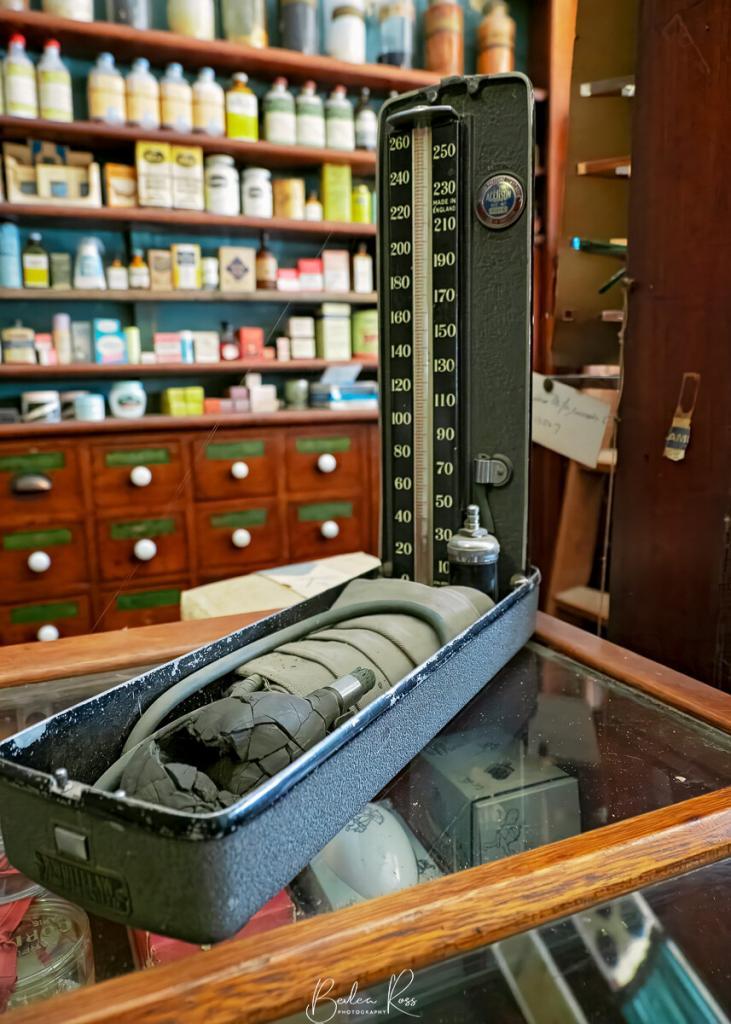
Hilda and Roy were both active members in the Chiltern community. Roy received an MBE in 1970 for his valuable services to pharmacy in Victoria. Unfortunately, Roy passed away in 1976, and Hilda followed fourteen years later, passing away in a care home at the age of 92.
Fast facts
- The pharmacy was built in the Victorian Italianate style.
- The original fittings and fixtures, including the mahogany counters, brass scales, and glass display cabinets, are still in place.
- The pharmacy’s collection of medicines includes over 1,000 different items dating from the 19th and early 20th centuries.
- The pharmacy also has a collection of photographic supplies, including cameras, lenses, and film.
- Dows Pharmacy was donated to the National Trust of Australia in 1988.

Visiting the Pharmacy
Dows Pharmacy is a valuable historical resource and a fascinating place to visit. It is also a reminder of the important role that pharmacies have played in our communities, and it is a window into the past. If you are ever in Chiltern, be sure to stop by and take a look.
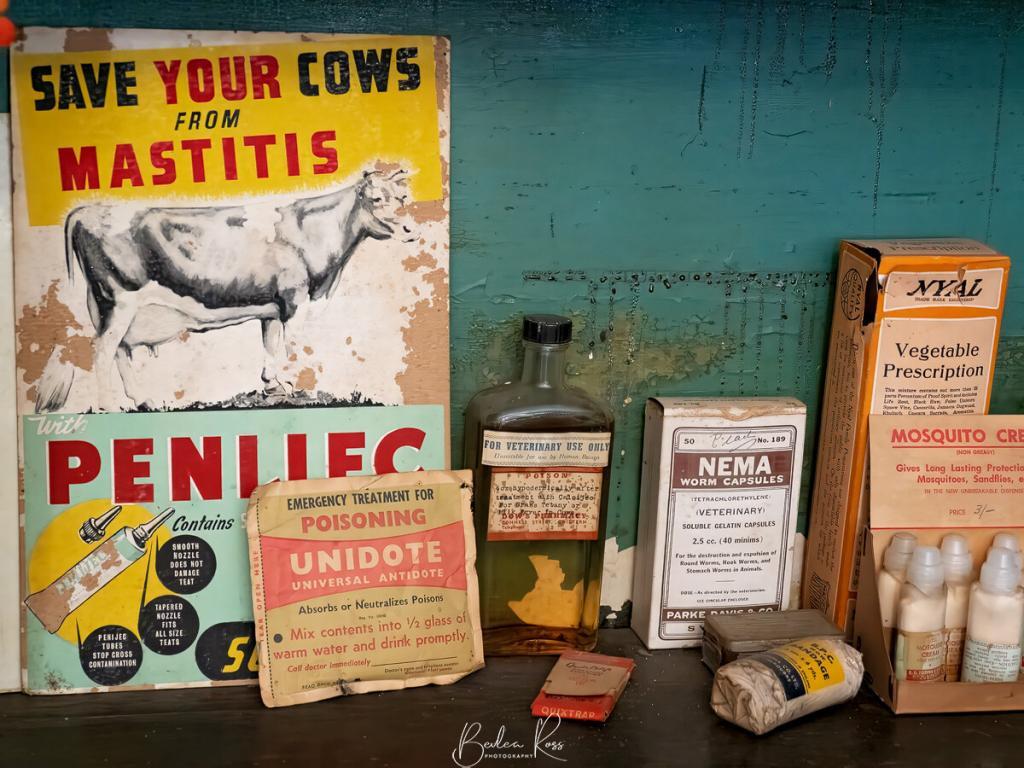
Dow’s pharmacy is open to the public on Tuesdays, Wednesdays, and Saturdays from 11 am to 2 pm. The pharmacy is also available for group tours by appointment.
National Trust Members: FREE
Adult: $5
Concession: $4
Child: $3
Family: $12
42 Conness Street, Chiltern

Nestled in the foothills of the Great Dividing Range, Chiltern is a quaint town located in the northeastern region of Victoria, Australia. With a population of around 1,000 residents, this charming town was established in 1857 during the Victorian gold rush. Despite the end of this era in the late 1860s, Chiltern remained a prosperous community with a thriving economy based on agriculture, timber, and small enterprises.

Chiltern was first known as Black Dog Creek, supposedly named after a black dingo that was hunted in the vicinity during the 1830s. It was officially gazetted as a town in 1851, surveyed in 1853, and later named Chiltern after the Chiltern Hills in England.
Famous Sons
- John McEwen (1900-1980), 18th Prime Minister of Australia
- Barrie Cassidy (born 1957), former political journalist
- Nigel Lappin (born 1977), a former Australian rules footballer
- Matthew Lappin (born 1979), a former Australian rules footballer
National Trust properties
Lake View House
The charming red brick house, constructed in 1870, has been recently restored and decorated in the fashion of its era. Significantly, it replicates the ambience of a lakeside country villa in a thriving mining town. Lake View House was also the home of Ethel Florence Richardson (a renowned Australian author who wrote under the pen name Henry Handel Richardson) in 1876. The house has a special significance in Australian literary history due to its association with The Getting of Wisdom.

Richardson cherished the memories of her early years spent in Chiltern, which she referred to as ‘Barambogie’ in her novel, The Fortunes of Richard Mahony. Today, Lake View House proudly displays a collection of Richardson’s personal items as a tribute to her legacy.
- 18-22 Victoria St, Chiltern
- Open 11 am – 2 pm Saturdays and every 3rd Sunday 1 pm – 4 pm.
Dow’s Pharmacy
A pharmacy for over a century, this fascinating commercial premises was built in 1859. One of the early pharmacists was David McEwen, the father of the Australian prime minister, John McEwen. John McEwan became caretaker Prime Minister of Australia following the drowning of Harold Holt. Hilda retired in 1968, closing the doors behind her. Significantly, everything inside remained intact.

Some stock and equipment even predated Hilda’s tenure and are from the nineteenth and early twentieth centuries. Stepping through the doors of the pharmacy is like stepping back in time. With everything still there, it’s like Hilda has just stepped out for a moment.

- Adult: $5, Concession: $4, Child: $3, Family: $12
- National Trust Members: FREE
- 42 Conness Street, Chiltern
- Open Tuesdays from 11 am to 2 pm, Wednesdays from 9 am to 3 pm & Saturdays from 10 am to 2 pm.
The Federal Standard
The Federal Standard Printing Works is one of the few substantially intact provincial newspaper printers from the gold mining era. Built in 1860, it was founded by Felix Ashworth, George Boyer, and George H. Mott in 1869. Their first publication was The Federal Standard, which ran for 110 years. The printing works also produced newspapers like The Murray Gazette, The Border Post, and The Ovens Constitution.

The printing works are still equipped with printing machinery from the 1870s to the 1930s. The machinery is still in working order and is maintained by volunteers.

- 24 Main St, Chiltern VIC 3683
- by appointment
- (03) 9656 9800
Other notable properties
Star Hotel and Theatre and Historic Grapevine: The Star Theatre is a hall connected to the Star Hotel, located at Main Street and Conness Street. Its construction dates back to 1866. Interestingly, the Star Hotel’s grounds boast the world’s largest Grapevine, which the Guinness World of Records has officially recognised.
From 1902 until 1964, the Star Theatre served as the town’s cinema. A projection box was erected outside near the stage, and the stage was transformed into raised seating. Though the projection booth has been demolished, the projection port holes can still be seen on the rear wall of the building. The theatre later closed and was repurposed as an antique store.
The Star Theatre, which was listed by the National Trust in November 1972, has been restored for films and live shows since 1996. It re-opened on May 18th of that year with a screening of “In the Good Old Summertime” starring Judy Garland. The theatre is fully equipped for 16mm presentations and can be hired for special screenings.

There is a grapevine planted in 1867 located in the courtyard. It has a trunk measuring 1.84 metres and a 12-metre-long branch, making it reputedly the biggest grapevine worldwide.
- Cnr Main St and Conness St
- 03 5726 1395

Chiltern Athenaeum: The brick building was built in 1866 to replace a previous timber structure. It previously served as the Council Chamber, Town Hall, and Library/Reading Room. Despite the Library relocating in 1970, a fascinating collection of Goldfield’s literature remained in the building. Today, the Chiltern Athenaeum Museum continues to operate, staffed by volunteers.
Kelly gang
Chiltern is significant in the Kelly saga, as Senior Constable James Lynch from Chiltern signed a warrant for the arrest of Dan Kelly and his cousin Jack Lloyd on suspicion of horse theft on April 5th, 1878. Unfortunately, this warrant sparked a series of events that ultimately led to the police murders at Stringbark Creek, the Kelly Gang manhunt, the siege at Glenrowan, and eventually, Ned Kelly’s execution by hanging.


The Australian War Memorial (AWM) is a significant landmark in the heart of the Australian capital, Canberra. It serves as a shrine, museum, and archive, preserving the memory of the Australians who lost their lives in war or on active duty, as well as those who served during times of conflict. The Memorial’s core mission is to promote a better understanding of Australia’s wartime experience and to facilitate remembrance of the sacrifices made by the country’s brave servicemen and women.
The Great War
The loss of life in the First World War was catastrophic. From a population of fewer than five million, 60,000 Australians were killed, and 156,000 were wounded, gassed, or taken prisoner. The unimaginable scale of loss led to the creation of memorials across the country as a new way to express national grief. Shocked by the scale of death, historian and offical war correspondent Charles Bean proposed and advocated for a national memorial.

Charles Bean
Charles Bean was born in Bathurst, New South Wales on November 18, 1879. When he was ten, his family relocated to England, where he completed his education. Later, he returned to Australia and pursued a career in journalism. In 1914, the Journalists’ Association chose him as an official war correspondent.

Gallipoli
Bean arrived at Anzac Cove in Gallipoli at 10 a.m. on April 25, 1915, five and a half hours after the initial landing. Two weeks later, he joined two Australian brigades in a costly and failed attack at Cape Helles. For his assistance to the wounded soldiers under fire on the night of May 8, he was recommended for the Military Cross. However, as a civilian, he was not eligible for the award and was only mentioned in the dispatches. He was the only correspondent who stayed in Gallipoli from April to December.

On August 6, Bean was wounded in his right leg. Refusing to be taken off to a hospital ship, he hobbled to his dugout. Laying there and having the wound dressed daily until August 24, when he was well enough to again and observe the fighting. In 1916-18, Bean was in France to observe every engagement of the A.I.F. On his return to Australia he supervised the development of the 12-volume Official History of Australia in the War of 1914-1918. He also authored six volumes, finishing the final one in 1942.
A Legacy of Remembrance
On November 11, 1941, the Australian War Memorial was opened during World War II, on what is now known as Remembrance Day. This date holds immense importance as it marks the end of World War I, which significantly impacted Australia. Established to honour and preserve the memory of all Australians who have served in wars and conflicts, it acknowledges their sacrifices and ensures that their stories are remembered for generations to come.

John Treloar, who was from Melbourne, also landed on Gallipoli on April 25, 1915. Treloar was instrumental in making Bean’s vision a reality. In 1917, he became the head of the newly established Australian War Records Section (AWRS) in London. He was responsible for collecting records and relics for the future museum and assisting the official historian. Following the war, Treloar dedicated his life to the memorial, influencing almost every aspect of its development. He was appointed Director of the Memorial in 1920. Treloar held the position until his passing in 1952, except for a brief period during the Second World War when he was in charge of the Military History and Information Section (MHIS).

the Western Front
On July 19, 1916, the Australian Imperial Force (AIF) launched their first major attack on the Western Front in Fromelles, northern France. 7,000 Australian soldiers charged across open ground in broad daylight under heavy fire and direct observation from the German lines. By the next day, over 5,500 were wounded, and nearly 1,900 lay dead. These horrendous statistics made it the most devastating 24 hours in Australia’s history. In the following days, three Australian Divisions continued to attack German positions at Pozières. This resulted in an additional 23,000 casualties over six weeks.

‘The field of Pozières is more consecrated by Australian fighting and more hallowed by Australian blood than any field which has ever existed.
Charles Bean
Architectural marvel
The memorial’s design balanced the desire for an impressive monument to honour the fallen soldiers and a budget of only £250,000. In 1927, an architectural competition was held, but none of the designs submitted were satisfactory. However, two entrants, Emil Sodersteen and John Crust, were encouraged to combine their designs. Sodersteen’s vision for the building and Crust’s idea of cloisters to house the Roll of Honour with over 60,000 names were incorporated into the joint design. This was ultimately accepted, and the joint design serves as the foundation of the building we see today.

In the middle of the memorial site is a Commemorative Area surrounded by arched cloisters. Bronze panels hold the Roll of Honour, listing the names of those who have lost their lives. Beyond the cloisters stands the impressive Hall of Memory at the edge of the Pool of Reflection. The interior wall and dome of the hall are covered in a mosaic of six million pieces. Stunning stained-glass windows also line the walls. Within the Hall of Memory lies the Tomb of the Unknown Australian Soldier.

Redevelopment
The Australian War Memorial received funding approval for a development project in 2018. The goal of the Memorial’s redevelopment is to acknowledge the service of our country’s veterans, both now and in the future. The project involves constructing a new southern entrance, a new Anzac Hall, and fitting out new galleries in the main building, which will create additional exhibition spaces. A new research center and reading room have been included in an extension to the CEW Bean Building. Parade Ground and landscaping works have also been carried out to accommodate increased attendance at events.
According to the Australian War Memorial’s website, the proposed development project is estimated to cost $498 million. However, the final cost of the project could be up to $527 million due to additional costs such as inflation, unforeseen circumstances, and additional work. The sandstone building’s iconic façade housing the Roll of Honour, Pool of Reflection, and Hall of Memory will remain unchanged.
Education and Commemoration
The AWM plays a crucial role in educating visitors about the country’s military history and the impact of war on humanity. This museum boasts an impressive collection of artifacts. Item such as weapons, uniforms, diaries, and photographs, offer valuable insights into Australian service personnel’s lives. Through its permanent and temporary exhibitions, the memorial delves into different aspects of Australia’s involvement in conflicts. These reveal the bravery, perseverance, and selflessness of those who served.

Significantly, the Australian War Memorial is also a historical landmark and a place for commemorative ceremonies. These ceremonies are held on important days such as Anzac Day and Remembrance Day. The Last Post ceremony is held every day at the memorial. The poignant tribute allows visitors to reflect on the personal stories of the fallen soldiers.
sculptural monument
The AWM houses a series called “As of Today” by Alex Seton. It is a sculptural tribute to Australian soldiers who were killed while serving in Afghanistan. The series particularly emphasizes the ceremonial folded flag that is draped over the casket during the military funeral and then presented to the fallen soldier’s family.
Each of the forty three flags are sculpted in Australian marble and represents a specific individual and a life lost. The name and details of the individual on a card in front of the flag.

Sacred Site
The Australian War Memorial is much more than a museum. It is a revered site representing remembrance of the sacrifices made by Australians during times of war. With its stunning architecture, educational initiatives, and commemorative events, it plays a crucial role in Australian society ensuring that past sacrifices are never forgotten. Additionally, it fosters a deeper understanding of the nation’s history and emphasises the importance of peace.

Exploring zoos has been a passion of mine, and I always make a point to visit a zoo when I visit a new Australian city. While Taronga Zoo was excellent, Adelaide Zoo disappointed me. Melbourne Zoo, Werribee Zoo, and Healesville Sanctuary were enjoyable and provided memorable experiences. However, the National Zoo and Aquarium at Canberra (NZA) blew me away with its exceptional enclosures. I can safely say that it is now my all-time favourite zoo.

The Aquarium
The National Aquarium, now known as the National Zoo and Aquarium, was established in 1990. At that time, around 30 different species were housed in the aquarium along with a large restaurant and a function area. The main attraction of the aquarium was a huge 1.5 million litre aquarium that featured an underwater viewing tunnel. This aquarium, produced by a local Canberra company was touted as the first of its kind in the world.

The aquarium occupied approximately 7 hectares of land and had multiple outdoor ponds and streams for trout farming. However, the aquarium faced financial difficulties, and some of its major exhibits were problematic. Within three years of its opening, the aquarium was sold to a new operator.
New Owners
In 1998, the facility was again up for sale and purchased by the Tindale family. Richard Tindale was a successful local businessman who had a passion for animals. He had travelled to Africa on multiple occasions and was interested in establishing a conservation breeding centre for big cats. Coincidentally, the wildlife park was put up for sale around the same time. His interest in animals at the time, along with several of his children. This prompted Richard to buy the facility in mid-1998. Initially, the Tindale family struggled to be accepted into the zoo arena, having had minimal background with zoo animals.

Renovations
Over the course of the following two years, they diligently worked on repairing and replacing numerous parts of the existing facility and enclosures. Unfortunately these had been poorly maintained for several years. During this time, they discovered that the primary attraction of the facility, the 1 million litre walk-through aquarium, had to be permanently closed down due to the presence of concrete cancer in the walls of the aquarium.

In 1999, the first significant enclosure was completed. This enclosure housed 3 Brown Bears that had to be re-homed after living for years in a private collection. In 2000, construction began on several big cat enclosures to house some retired circus lions, leopards, tigers and a pair of tigons (a cross between a lion and a tiger). By 2001, the wildlife park was in full swing, at one stage having 14 new exhibits under construction. These would, when completed, house more big cats, native animals, a variety of primate species. New enclosures were also underway for large ungulates such as zebra, antelope and giraffe. The wildlife park changed its name to the “National Zoo & Aquarium” upon completion.

Bushfires Threaten
Between 2001 and 2003, the zoo battled Canberra’s bushfires on two separate occasions. The once-established pine forest surrounding the zoo was also turned to cinders. It was suggested that the zoo should potentially expand into adjoining land. Over the next five years, the zoo continued to develop, negotiate, and design a potential future expansion.

This phase of the facility lasted around five years. During this period, the new operator added several outdoor exhibits, mainly of native wildlife. The large aquarium was converted from saltwater to freshwater to reduce costs. The overall theme of the facility changed in an attempt to meet the demands of a large Asian tourist market. It offered an “Australian” experience incorporating the wildlife park aspects and other activities such as fly fishing in the trout ponds, sheep shearing and boomerang throwing demonstrations.

Immersive Habitats
The zoo is known for its exceptional effort to provide a natural habitat for animals that closely resembles their native environment. As you explore the zoo, you’ll come across a wide variety of ecosystems, ranging from lush rainforests to arid deserts. The leopard enclosure boasts cascading waterfalls and lush greenery, while the tiger enclosure has viewpoints from multiple sides, a large lake, and an overhead walkway. The enclosures are designed with minimal wire and instead have glass, moats, or overhead paths, giving visitors a sense of openness. These enclosures are created to ensure the animals’ well-being and provide visitors with a chance to observe them up close in a natural setting.

The African lions, which include white lions, can be seen basking in the sun, separated from visitors by a low fence and deep ravine. Across another low fence, cheetahs can be seen snoozing on green lawns. Visitors can also watch squirrel monkeys play on their island next to the café. One of the zoo’s main attractions is its impressive collection of Australian wildlife, featuring kangaroos, koalas, and wombats. These iconic animals provide a unique opportunity for visitors to learn about Australia’s indigenous fauna.
Educational Opportunities:
NZA serves not only as an entertainment destination but also as a center for education and conservation efforts. The zoo provides informative presentations and guided tours that enable visitors to gain knowledge about the animals, their natural habitats, and the significance of wildlife conservation.

Conservation Initiatives:
The zoo is dedicated to conservation efforts within and in the wild. They participate in various breeding programs to help endangered species recover and contribute to global conservation initiatives. By visiting the zoo, you not only support these vital conservation projects but also gain a deeper understanding of the challenges faced by wildlife today.

Visiting Information:
Location: The NZA is conveniently located within easy reach of the city centre, making it a perfect day trip for visitors and locals.
Opening Hours: The zoo is open year-round, with seasonal variations in hours, so be sure to check the official website for current details.
Tickets: Admission prices vary depending on age, and discounted rates are often available for families and groups. Annual memberships are also available for those who plan to visit regularly.
Accessibility: NZA strives to be accessible to all visitors, with facilities for people with disabilities as well as many ramps instead of stairs.

The National Zoo and Aquarium is more than just a place to see animals; it’s a place to connect with the natural world. Whether you’re a nature enthusiast, or simply looking for a fun day out, the Zoo offers a memorable experience. So, plan your visit today and embark on a journey of discovery at this remarkable zoological park.
GENERAL ENTRY
Children 3-17 years (or enrolled secondary student) $32
Tertiary Students with student card $48
Seniors Card/Pension Card Holders $48
Adults $55
Family – 2 adults and up to 3 Children $152

Still life photography is a genre of photography that involves capturing images of inanimate (still) objects, typically arranged in a pleasing composition. The objects could be everyday items such as fruits, vegetables, flowers, and household items. Unusual things like old books, vintage cameras, or antique furniture also work well. The aim is to create an aesthetically pleasing image that draws the viewer’s eye and holds their attention. Photographers often use lighting, composition, and depth of field to create a sense of mood or emotion in their images.
History
Still life painting and photography have been around for centuries, with roots dating back to ancient Greece and Rome. However, the genre began to take shape during the Middle Ages and the Renaissance in Europe. During the Middle Ages, still life paintings were primarily used for religious purposes. These depicted objects, such as fruits, flowers, and vessels, representing the Eucharist or other religious themes. In the 16th century, still life painting emerged as a separate genre, with artists creating compositions of everyday objects such as food, flowers, and household items.
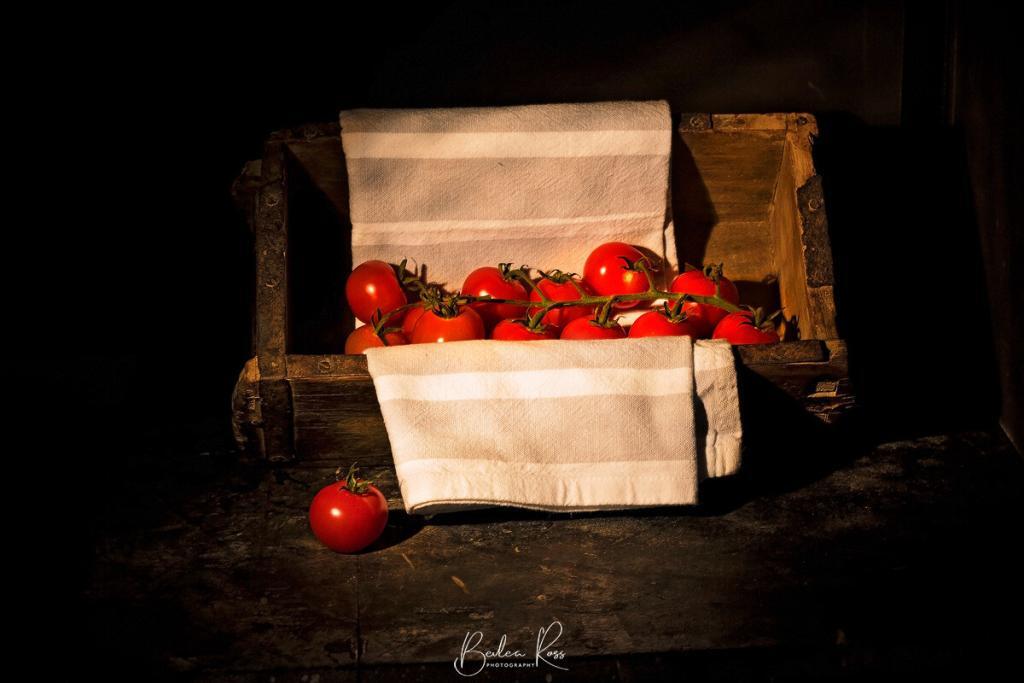
During the 17th century, still life painting reached new heights of popularity, with artists creating highly detailed and realistic compositions of food, flowers, and household items. This period is often considered the golden age of still life painting, with artists such as Pieter Claesz, Willem Kalf, and Rachel Ruysch becoming well-known for their still life compositions.

In the 19th and 20th centuries, still life painting began to evolve, with artists experimenting with new styles and techniques. For example, impressionist artists such as Claude Monet and Pierre-Auguste Renoir created still life paintings that focused on capturing the essence of light and colour. In contrast, modernist artists such as Pablo Picasso and Georges Braque experimented with abstract forms and shapes.
In the 20th century, still life photography emerged as a popular genre. Photographers such as Edward Weston, Imogen Cunningham, and Irving Penn created stunning compositions of everyday objects. Today, still life photography continues to be a popular and vibrant genre.
Subjects
A wide variety of subjects can make for interesting still life photography. Some examples are:
- Flowers and plants: Fresh or dried flowers, potted plants, succulents, and other botanicals can make beautiful and visually appealing compositions.
- Food and drink: Fresh fruits and vegetables, baked goods, wine bottles, and coffee mugs. These and other culinary items can be arranged artistically to create mouth-watering images.
- Household items: Antique cameras, old books, vintage telephones, and other household items arranged creatively to create visually intriguing still life images.
- Personal items: Sentimental objects such as jewellery, souvenirs, and keepsakes. These items capture their sentimental value and tell a story.
- Natural objects: Rocks, shells, feathers, bird nests, seed pods. All create a sense of calmness and serenity.
Flowers in Still Life

Vases and containers: Choose vases and containers that complement the colours and shapes of the flowers you are shooting. You can use clear glass vases to create a minimalist look. Alternatively, choose more colourful or patterned containers to add visual interest.
Textiles: Consider using fabrics or textiles as a backdrop for the flowers. You can choose a simple white or black background or go for something more colourful or patterned to create a more dynamic composition.
Natural props, such as branches, leaves, or rocks, can add context and make the flowers look more natural. You can also add water droplets to the flowers to create a more organic look.
Lighting props: Using lighting props such as reflectors or diffusers can help control the lighting and create the desired mood for your shot. You can use these props to create soft, diffused lighting or to add dramatic shadows to the flowers.
Other decorative props: Consider using props such as candles, books, or decorative objects to enhance the overall composition and add visual interest.
Remember, the key is to use props that enhance the flowers and create a visually appealing composition. Keep the focus on the flowers while using props to add context and interest to the shot.
Food in Still Life

Plates and bowls: Choose plates and bowls that complement the colours and textures of the food you are shooting. You can use white or neutral-coloured dishes to make the food stand out or use more colourful and patterned plates to add visual interest.
Utensils: Including utensils such as forks, spoons, and knives in the shot can create a sense of context and a more natural look. You can also use props such as cutting boards, rolling pins, or whisks to enhance the composition.
Linens and textiles: Tablecloths, napkins, and other textiles can add texture and visual interest to the shot. Choose fabrics that complement the colours and textures of the food. Alternatively, go for a more contrasting look for added drama.
Backgrounds: Consider using backgrounds that enhance the colours and textures of the food, such as wooden boards, marble countertops, or colourful tiles. You can also use textured paper or fabric as a backdrop to create a more cohesive composition. One background set I bought came from Amazon, and I love it. You get two double-sided foam core boards with brackets to stand them up. One panel has a different concrete look on either side, and the other has two different woodgrains.
Garnishes: Adding herbs, spices, or fresh fruit can add visual interest to the shot and make the food look more appetising.
Natural Objects in Still Life

Natural backgrounds: Consider using natural settings such as fields, forests, or beaches as a backdrop for the objects. You can also use raw materials such as rocks, sand, or moss to create a more textured and interesting background.
Other natural objects: Consider using flowers, leaves, or branches to create a more natural and interesting composition. You don’t have to have fresh flowers all the time. Good quality silk plants work, too (like the ivy in the blue jug above). You can also use water droplets, dew, or frost to add texture and interest to the objects.
Background props: Consider using other objects or props to create a background or context for your shooting objects. For example, if you are shooting a bird’s nest, you could use feathers or twigs as a background.
Other decorative props: Consider using candles, books, or other natural objects. These enhance the overall composition and add visual interest.

Making your own backgrounds
There are many different ways to make your backgrounds for still life photography. This depends on the look and feel that you want to achieve. Consider the colours of your objects. The background should help make them stand out. I find working with a solid colour is best.
Use fabric or paper backdrops: You can easily create backdrops using fabrics or papers with different textures and colours. For example, you could use a plain white sheet as a backdrop for a minimalist look. Conversely, a colourful piece of fabric adds visual interest to the shot. You can also use patterned or textured papers, such as scrapbook paper, to create a unique look. For example, woodgrain wallpaper will give the look of a timber tabletop without storing multiple tables.

Create your textured backgrounds: Using wood planks, textured wallpaper, or even concrete slabs, you can create textured backgrounds. Self-adhesive tiles from eBay make great backgrounds; attach them to your chosen boards. I previously did a post on DYI backgrounds here. Foam core board, MDF and Plywood all work great as a base. Then, paint or cover them with your desired texture or colour to create a backdrop that fits your vision.
Where to source your props

My two primary resources are around my own home or op shops. The kitchen cupboards yield a feast of plates, bowls, and jugs: my linen cupboard – tablecloths, tea towels, and even white sheets for backdrops. I look for old silver or wooden spoons, jugs, herb jars, trays, crockery, vases and glassware in op shops. One of my favourite objects is an old rusted kitchen scale I picked up on eBay relatively cheaply.

still life photography scene ideas
- Food: Arrange fruits, vegetables, and other food items and capture their textures, colours, and shapes. Experiment with lighting, shadows, and backgrounds to create a dramatic effect.
- Flowers: Choose a beautiful bouquet and capture them from different angles, emphasising their shapes, colours, and textures. You can also play with depth of field, blurring the background and adding props such as vases, ribbons, or books.
- Objects: Select a collection of vintage or everyday objects, such as books, glasses, keys, or toys. Use a plain or textured background, and experiment with angles, lighting, and shadows.
- Art supplies: Gather pencils, paintbrushes, paints, and other art supplies and create a creative scene. Try adding some blank paper or canvas to stage the scene, emphasising the idea of creativity and inspiration.
- Musical instruments: If you can access them, try capturing their textures, shapes, and colours. Experiment with lighting, shadows, and reflections, emphasising the idea of rhythm and harmony.
- Household objects: Use everyday household objects such as glasses, mugs, plates, or utensils. Experiment with angles, lighting, and reflections, and add some complementary items such as flowers or fruits.
- Natural elements: Capture the beauty of natural elements such as rocks, shells, leaves, or branches. Use close-up shots, emphasising the textures, colours, and shapes.
- Vintage items: If you can access vintage items such as cameras, typewriters, or telephones, use them to capture their beauty and nostalgia. Use a plain or textured background, and experiment with angles, lighting, and shadows.

Camera Settings
The camera settings for still life photography vary depending on your equipment and lighting conditions. However, here are some general settings that can work well for still life photography:
Aperture: Use a smaller aperture (higher f-number) to create a wider depth of field to keep the entire subject in focus. This is especially important when photographing multiple objects in a single frame.
ISO: Use the lowest ISO possible to reduce noise and maintain image quality. This can help create a sharper image and minimise graininess.
Shutter speed: Use a tripod and a slower shutter speed. This allows more light into the camera and captures more detail in the still life. This is especially important when shooting in low-light conditions.
White balance: Adjust your white balance to ensure that the colours in your image are accurate and natural. You can do this manually or use a white balance preset based on the lighting conditions.
Focus: Use manual or autofocus to ensure the subject is sharp and focused. Pay attention to the depth of field and adjust your focus point accordingly.
Remember, these settings are just a starting point. You may still need to adjust them depending on the lighting and subject you are working with. Experiment with different settings and take test shots to find the best combination for your still life photography.

A Final word
Still life photography is a fascinating and versatile genre that offers photographers endless possibilities for creativity and expression. Whether capturing everyday objects or carefully composed arrangements, still life photography invites us to look at the world around us in a new way and appreciate the beauty in the mundane.
With the correct technique and a keen eye for detail, anyone can create striking and memorable still life images that capture the essence of their subject matter. Whether you’re a professional photographer or an enthusiastic hobbyist, still life photography is a rewarding and engaging pursuit that offers endless opportunities for growth and discovery.

While a camera bag is a vital accessory for photographers, its contents can vary based on their unique needs and photography style. However, here are some everyday items that often belong in every photographer’s camera bag.
Camera Body: Your camera body is obviously the most crucial item. Ensure it’s securely stored in your bag with a protective cover or case.

Lenses
Depending on your photography style, you may need multiple lenses, such as a wide-angle, standard zoom, prime, or telephoto lens. Each lens has a unique function and can help you capture different shots. Good lenses to have are;
- Landscape Lens: 70 – 200mm
- Wildlife and Birds: 300 -600mm
- Macro: 60 – 120mm
- Travel: 18-400mm
- Street: 35 or 50mm

Lens Cleaning Kit: A lens cleaning kit with a microfibre cloth, lens cleaning solution, and lens pen is essential to maintain image quality and prevent dust and smudges.
Essential Supplies
Extra Batteries: Keep extra camera batteries charged to avoid running out of power during a shoot.
Memory Cards: Don’t run out of memory during a shoot; bring several high-capacity and fast memory cards to ensure you have enough storage space.
Tripod: A tripod is essential for stabilising your camera, particularly in low-light conditions or when taking long exposure shots. Considering the tripod’s size and weight is crucial based on your needs. For travel, consider a carbon fibre tripod. They are lighter than the aluminium ones.

Camera Rain Cover: If your camera isn’t waterproof, a rain cover can protect your camera from moisture and rain if you’re shooting in inclement weather.
External Flash and Accessories: When using external flash units, ensure you have spare batteries, diffusers, and flash triggers if necessary.
Lens Filters: Filters like UV filters, polarisers, and ND filters can help improve image quality and control light in various situations.
Remote Shutter Release: A remote shutter release or intervalometer can prevent camera shake in long exposures.
Lens Hood: Using lens hoods can help lessen the occurrence of lens flare and shield your lens from potential harm.
Lens Pouches or Lens Cases: These items are useful for transporting and safeguarding individual camera lenses within your camera bag. I have one on each lens in my bag. The pouches protect them from rain when the bag is open on a wet day and if a lens falls out of the bag.
Accessories
Multi-Tool or Allen Key: If you need to make quick adjustments or tighten tripod screws.
First Aid Kit: It can be helpful to have a compact first aid kit on hand for any minor injuries or accidents that may occur during outdoor photography sessions. Include a box of matches in case of leeches.
Smartphone and Charger: Your smartphone is valuable for location scouting, GPS, and reference. Ensure it’s charged and has the relevant apps.
Business Cards: If you’re a professional photographer, carrying business cards can help you network and gain potential clients.

Gear Links (Amazon Associates)
- Memory Cards: https://amzn.to/44FMplN
- 36 Pc Camera Cleaning Kit: https://amzn.to/44Gqhb0
- 4 Pack Lens Pouch: https://amzn.to/3P93iQ5
- First Aid Kit: https://amzn.to/3sGghkF
- Sirui Carbon Fibre Tripod: https://amzn.to/3sOnGyi
Bringing a small torch, snacks, and water when venturing into the bush is also a good idea. Additionally, carrying a whistle can come in handy in case you become lost or separated from your group and need to signal your location. A garbage bag is also helpful so you can take your rubbish home with you (and collect any you may find along the way)
Remember that the contents of your camera bag may vary depending on your photography style and the equipment you own. Organising your gear effectively is crucial to access what you need and protect it from damage quickly.

The QVB, short for Queen Victoria Building, is an iconic building constructed in 1898 by Scottish architect George McRae. It was built on the site of the original Sydney markets and was intended as a tribute to Queen Victoria’s Diamond Jubilee. Significantly, the construction occurred during a period of economic struggle in Sydney, making the accomplishment all the more impressive.


The Design
Architect George McRae who had also designed the Sydney Town Hall and Caves House at the Jenolan Caves presented four facade designs for the QVB, Gothic, Queen Anne, Renaissance, and Romanesque. Upon reviewing the designs, the market committee chose the Romanesque design, which was made of sandstone and had a roofscape of 21 copper domes. . The plans also incorporated a residential hotel spanning multiple floors at Druitt Street. In addition, a concert hall capable of accommodating 500 people was planned at the Market Street end. The building would also feature shops, warehouses, and markets in the basement, which four hydraulic lifts would service. In today’s money, the QVB would cost around $2 billion to build.


Located between George, Market, York, and Druitt Streets, the QVB building occupies an entire city block. At the heart of the building stands the impressive central dome, made up of an inner glass dome and an outer copper-sheathed dome. Stunning stained glass windows and remarkable architecture are evident throughout the tower, with an authentic 19th-century staircase beside the dome.

Mr W P. Macintosh was awarded the contract to design a symbolic group of marble figures for the central arch on George Street. He was also contracted to create another group for York Street above the prominent arches. The total cost for both statue groups was £3,3000.
Construction
Building took place between 1893 to 1898. In addition, the grand Romanesque architecture was planned to provide employment opportunities for many skilled craftsmen struggling to find work. These included stonemasons, plasterers, and stained window artists. While officially, it was named the “Queen Victoria Market Building”, it has since been commonly referred to as the QVB.

Mayor Mathew Harris officially opened the QVB on July 21, 1898. The ground floor of the building provided space for 58 shops, featuring a range of tenants such as tailors, mercers, boot importers, hairdressers, tobacconists, florists, chemists, fruiterers, and a tea room. The first floor comprised 17 spacious rooms utilised for warerooms, showrooms, and offices. The second floor, meanwhile, had 12 large rooms with a gallery. The Coffee Palace was located at the southern end, boasting a dining room, sitting area, drawing room, public spaces, 57 bedrooms, a gallery, and a promenade. The basement had cooling chambers, strong rooms, wine bodegas, cellars, and public toilets.

By 1901, the concert hall had been transformed into the city library, and the coffee palace had become offices. When the council became a tenant, they virtually obliterated the entire interior. It was deemed all too opulent, so they concreted over the tiling, spilt-levelled and subdivided. Tenants had changed considerably from those who first occupied the building, with only Singer Sewing Machine Co. and one tailor remaining. The new tenants included Piano tuners, dancing teachers, palmists, and clairvoyants.
Decline and Restoration
In the 1930s, notable alterations were made to the building’s architecture, such as installing new floors in galleries and revamping shopfronts to accommodate the Sydney City Council, a major tenant at the time. However, plans to demolish the building and create a city square and underground carpark were proposed between 1959 and 1971.

Fortunately, this caused an intense public campaign whereby conservationists and the public intervened, resulting in the preservation of the building. The National Trust classified the building in 1974 and this led to a significant restoration project, awarded to a Malaysian company, Ipoh Garden, in 1980, along with a 99-year lease.

“It is an architectural monstrosity, a wasteful, stupid building.”
Architect Harry Seidler, in favour of demolition, 26 August 1961
The QVB’s glass was damaged by the Hilton Hotel bombing in 1978. Subsequently, in 1979, the glass replacement process began alongside restoring the minor copper domes. Finally, in 1986, the fully restored QVB reopened its doors to the delight of locals and tourists.
In 2008, it underwent a $48 million renovation, which included the installation of new escalators, repainting, restoration of balustrades, carpets, signage, and bathrooms. The following year, the QVB ballroom was revamped and converted into a charming tearoom. Significantly, every element of the building has been carefully restored, from the arches and pillars to the balustrades and intricately tiled floors, preserving the original grandeur of the structure.

Heritage Status
The QVB Building is known for its stunning architecture, remarkable central dome, intricate stained glass windows, and ornate decorations. The building’s design and embellishments pay homage to the extraordinary craftsmanship of its time. Recognising its historical and cultural significance as a significant Sydney landmark, the QVB was included in the New South Wales State Heritage Register in 1989.


Sydney, the capital of New South Wales, is a world-renowned city. It’s known for its stunning harbour, beautiful beaches, and vibrant cultural scene. Every year, millions of visitors flock to this Australian gem to experience its charm. However, deciding how to spend your time could be overwhelming, with many things to see and do, especially if you have a tight schedule.

We had only 48 hours to explore the city during our recent trip to Sydney. Despite the time constraint, we still saw some must-see attractions. These included the iconic Opera House and Harbour Bridge, the world-class Taronga Zoo. It was a whirlwind tour, but we enjoyed every moment of it.
Getting around – Avoid the Car!
Try to avoid driving around inner Sydney. A new report commissioned by Australia’s motoring clubs has revealed Sydney is the nation’s most congested city. Melbourne wasn’t far behind, while Canberra came in third place. Additionally, the older parts of the city, particularly in the central business district, have narrower roads due to how they were designed and built many years ago. When Sydney was first developed, the focus was on creating a grid pattern of streets that could accommodate horse-drawn carriages and carts.

Additionally, as Sydney has grown and developed, it faced challenges expanding its road network due to limited available space. The city’s geography, sandwiched between the harbour and surrounding hills, made it difficult to build new roads without impacting the environment or disrupting established communities. As a result, many of the streets in Sydney have remained narrow, particularly in the city’s older areas. Car parking can be expensive with limited options, and traffic is heavy. The best option is public transport, taxis or rideshare.
Sydney has an excellent public transport system of buses, trains and ferries. However, even that is struggling to meet passenger demand. However, it remains the best way to get around. The Opal card is a rechargeable smart card used on all public transport.
QVB
The QVB (Queen Victoria Building) is a historic building in the heart of Sydney’s central business district. It was built in the late 19th century as a marketplace and shopping arcade. Since then, it has become one of the city’s most iconic landmarks. Designed by architect George McRae, it features a stunning Romanesque Revival style with intricate sandstone and granite facades, ornate arches, and a central dome with a striking stained-glass skylight. The interior of the building is equally impressive, with soaring ceilings, marble floors, and beautifully crafted balustrades.
However, like many other beautiful old buildings, as progress was made, its future became uncertain. In the 1950s, it was in danger of being demolished due to neglect and the city’s changing needs. Thankfully, a group of concerned citizens, including architects, heritage enthusiasts, and community leaders, banded together to save the QVB from demolition. After years of advocacy and lobbying, the QVB was finally granted heritage protection in the 1980s. It underwent a significant restoration and refurbishment project that took several years to complete and returned the building to its former glory.

Today, the QVB is home to over 180 retailers, including high-end fashion boutiques, gourmet food shops, and specialty stores. Visitors can also enjoy a range of dining options, from casual cafes to upscale restaurants.
Angel Place
Angel Place is a small laneway located between George Street and Pitt Street in the heart of Sydney’s central business district. The laneway is famous for its unique and thought-provoking art installation called “Forgotten Songs.”

Forgotten Songs is an outdoor artwork that features 180 birdcages hanging high above the laneway. Each birdcage plays the sound of a different bird that once inhabited the area before the arrival of European settlers. The installation is a tribute to the fifty lost bird species and their songs that once filled the skies over Sydney but were lost to development. As night falls, the daytime bird songs change to the nocturnal birds. Michael Thomas Hill created the artwork, which was installed in 2009 as part of the City of Sydney’s Laneways Public Art Program. It has since become a popular destination for locals and tourists, providing a peaceful and reflective space amid the busy city.

Angel Place is also home to several restaurants, cafes, and small shops. It’s a great place to stop and relax while exploring the city. The laneway’s cobblestone pavement, brick walls, and historic buildings add charm and character. This creates a unique and memorable experience for visitors.
Taronga Zoo
Taronga Zoo is a world-renowned zoological park located in Sydney, Australia. The zoo was founded in 1916 and is situated in a stunning harbourside location, providing visitors with breathtaking views of Sydney Harbour and the city skyline.

The zoo is home to over 4,000 animals from 350 different species, including Australian native wildlife and exotic animals worldwide. Highlights include the Great Southern Oceans exhibit, where visitors can see Australian Sea Lions, Penguins and fur seals, and the Wild Asia exhibit, featuring tigers, otters, and gibbons.

Taronga Zoo is not just a place to observe animals but also a hub for conservation and education. The zoo works closely with many organisations to protect and preserve endangered species and their habitats. Visitors can learn about these efforts through interactive exhibits and talks from expert staff.

Taronga Zoo offers a range of experiences for visitors, including behind-the-scenes tours, animal encounters, and wildlife shows. The zoo also has various cafes and restaurants, providing ample opportunities to relax and enjoy stunning views.
Hissou Tepanyaki
Hissou is a Japanese restaurant located in the heart of Sydney’s central business district. The restaurant is known for its delicious teppanyaki-style cuisine, prepared by skilled chefs right in front of guests at their own cooking stations.
At Hissou Tepanyaki, guests can choose from fresh seafood, meats, and vegetables, which are then expertly grilled and seasoned to perfection. The teppanyaki-style cooking allows guests to witness the artistry of the chefs as they prepare their meals, creating a fun and interactive dining experience.

In addition to its teppanyaki offerings, Hissou Tepanyaki also features a sushi bar, where guests can enjoy a variety of fresh and creative sushi rolls, sashimi, and nigiri. The restaurant’s sleek and modern interior and vibrant and energetic atmosphere make it the perfect spot for a night out with friends, a special occasion, or a romantic dinner for two.

The Palace Tea Rooms
A charming and elegant tea room located in the Queen Victoria Building (QVB) in the heart of Sydney. The tearoom features ornate decor and beautiful stained-glass windows. They offer a variety of teas and a selection of pastries, cakes, and sandwiches.

In addition, the Palace Tea Rooms also serves a variety of breakfast and lunch options. These include a range of classic British and Australian dishes. The tea room’s elegant and sophisticated atmosphere makes it the perfect spot for a special occasion, a catch-up with friends, or a romantic afternoon tea for two.


The season of spring is a time of renewal and rejuvenation. As nature finally awakens from its winter slumber, it presents a breathtaking canvas for photographers. Spring is the best time for capturing the vibrant colours and delicate blossoms. In this post, we will explore the art of Spring photography, sharing techniques, tips, and ideas to help you photograph the enchanting beauty of this season.
Seek out Blossoms:
Spring is often associated with the beautiful blooming flowers that add colours to the world. You can find these stunning blossoms in local gardens, parks, or even your own backyard. Capturing their beauty uniquely and captivatingly involves experimenting with different angles, compositions, and depths of the field. From cherry blossoms to tulips, these iconic symbols of spring are a sight to behold.

Play with Light
As the season changes to spring, you can enhance your photography with the subtle and gentle light it brings. Take advantage of the soft light during the morning and evening to create a warm and dreamy atmosphere in your images. Experiment with shooting against the sunlight to capture a magical backlit effect. Alternatively, use diffused light on cloudy days to highlight the colours and textures of the scenery. Additionally, incorporating sidelight can add depth, texture, and drama to flower photography, emphasising the beauty of the blooms.

Before taking photos, it is essential to consider the direction of the light source. Sidelight, which comes from the subject’s side, can cast shadows and create highlights. To effectively use sidelight in your composition, determine the angle from which the light hits the flowers. This type of lighting is also great for highlighting the textures and details of flowers, as it creates shadows that accentuate the contours, creases, and intricate patterns of petals and leaves.

To capture this effect, position yourself so that the light is coming from the left or right, creating a play of light and shadow that enhances the three-dimensional quality of the subject.
Bees
If you want to include bees on your flowers, early morning is also the best time, as they are less active when it’s cooler. You will need a shutter speed of around 1/500 sec early morning (1/1000 if later in the day and they have warmed up). A telephoto lens will also enable you to get the bees without getting too close.

Embrace Nature’s Palette
Spring is also a season that showcases a beautiful range of vibrant hues and pastel shades. Incorporating contrasting colours in your compositions is a great way to create visually striking images. For instance, pairing yellow daffodils against a blue sky or purple flowers against a green backdrop can create a harmonious contrast. Don’t be afraid to experiment with colour grading during post-processing to enhance the mood and bring out the essence of spring.

Capture the Essence of Growth
Spring is a time of transformation and rejuvenation. To truly capture the essence of this season, focus on photographing emerging leaves, sprouting buds, and newborn animals. Use the backdrop of fresh green foliage or leading lines to direct the viewer’s gaze towards signs of growth. Additionally, zoom in and capture the intricate details.

Macro Photography
During the spring season, there are countless little marvels to discover, such as dewdrops resting on petals or complex insect designs. By delving into the realm of macro photography, you can experience the miniature universes that exist within nature. With the help of a macro lens or extension tubes, you can capture the intricate details that often go unseen, uncovering the hidden world around us.

Get Creative
- Include a sun flare in your images by shooting into the sun at F16 or above.
- Get super close and concentrate on one subject.
- Get down low and shoot up.
- Carry a little squirt bottle of 50/50 water and glycerin to replicate dew drops.

Spring is a beautiful time to capture the beauty of nature through photography. Whether you are an experienced photographer or a beginner, the season’s vibrant colours, gentle light, and abundance of life provide endless opportunities to create captivating images. Venture outdoors, immerse yourself in the beauty of your surroundings and let your camera transport you to the enchanting world of spring.


Chimpanzees (Pan troglodytes), are a captivating species that intrigues scientists and society. These great apes are predominantly found in central and West Africa and are our closest living relatives, sharing 98.7% of our genetic blueprint. It is believed that humans and chimpanzees shared a common ancestor who lived some seven to 13 million years ago. Due to this close relationship, Chimpanzees exhibit incredible similarities to humans, including advanced cognitive abilities, intricate social structures, and diverse behaviours.
Physical Characteristics:
Chimpanzees can grow to be 1 to 1.6 metres (3 to 5.5 feet) tall and weigh between 30 and 60 kg (70 to 130 pounds). They have coarse black hair that covers their bodies, but their faces, palms, and soles are bare. What’s fascinating is that chimpanzees have opposable thumbs and toes, which allows them to handle objects with impressive dexterity.
Chimpanzees are also agile climbers thanks to their long arms, shorter legs, and arboreal adaptation, which enables them to swing from branch to branch easily. Though they primarily move on all fours, chimpanzees can also stand and walk upright. Their long arms, hands, and fingers are perfectly adapted for climbing and swinging from branch to branch.

Social Organisation:
Chimpanzees are social animals typically residing in groups of up to 150 individuals. A dominant alpha male holds authority through power and aggression within these groups. Research has shown that male and female chimps have individual personalities, with females being more trusting and timid. Grooming is essential to their social life, helping chimpanzees bond as they remove ticks and dirt from one another’s bodies. Communication is vital for the well-being of chimpanzees. They employ a range of vocalisations, gestures, and facial expressions to collaborate, resolve conflicts, and convey emotions.

Intellectual Capabilities:
Chimpanzees are truly remarkable creatures, mainly due to their extraordinary intelligence. Research has shown that they can solve complex problems, engage in intricate social interactions, and use tools for various purposes. For instance, chimpanzees have been observed fashioning tools to extract termites, cracking nuts with stones, and modifying tools to suit their needs. Furthermore, they display an impressive level of self-awareness, as evidenced by their ability to recognise themselves in mirrors – a trait only found in a select few species.
Behaviours and Culture:
Chimpanzees exhibit an extensive range of unique behaviours in their communities and can be viewed as a form of cultural expression. These behaviours include tool use, hunting, grooming routines, and elaborate displays during territorial conflicts. Moreover, chimpanzees engage in playful activities, communicate their intentions through body language, and demonstrate empathy and consolation.
Habitat and Diet
Chimpanzees have the broadest range of any great ape. Though many populations live in tropical rainforests, they can also be found in woodlands and grasslands spanning central to western Africa. They usually sleep in trees—typically the sturdy Ugandan ironwood tree, which offers the firmest and most stable place to sleep. Chimps also do most of their eating in trees. They are omnivores, and though they generally prefer fruits and plants, they have a varied diet that includes insects, eggs, and nuts. They relish meat and have been known to kill and eat monkeys, small antelope, and even tortoises, slamming them against trees to break open their shells.
Threats to survival
The International Union for the Conservation of Nature has declared the chimpanzee an endangered species. As people encroach upon the chimp’s natural habitat, forests are cleared for agriculture and resources like logging, mining, and oil extraction. The construction of new roads and highways also fragments the chimp’s habitat and threatens its survival.

In Western Uganda, there is a growing conflict between humans and chimpanzees because of habitat loss. Due to deforestation, these primates are struggling to find a suitable place to live. Additionally, their natural food sources have been depleted. Consequently, many chimps are now foraging in nearby human settlements, and sometimes, they steal fruit and other food. However, there have been instances where chimpanzees have attacked small children. This has led to humans taking revenge by killing the primates to safeguard their families.
Bushmeat hunters usually target chimpanzees because they can provide more meat than smaller animals. However, some hunters also capture baby chimpanzees to keep as pets or sell them illegally. Sadly, chimpanzees are susceptible to getting sick from infectious diseases. The Ebola virus has been a major threat to their population since the 1980s.

Conservation Status:
The chimpanzee population is in decline due to deforestation, loss of their natural habitat, and illegal trading. The International Union for Conservation of Nature (IUCN) has classified them as endangered, indicating the urgent need to take conservation measures. Numerous organisations are actively working to protect their habitats, increase awareness, and combat wildlife trafficking. Governments, communities, and individuals must unite to safeguard these remarkable creatures and ensure their continued existence.

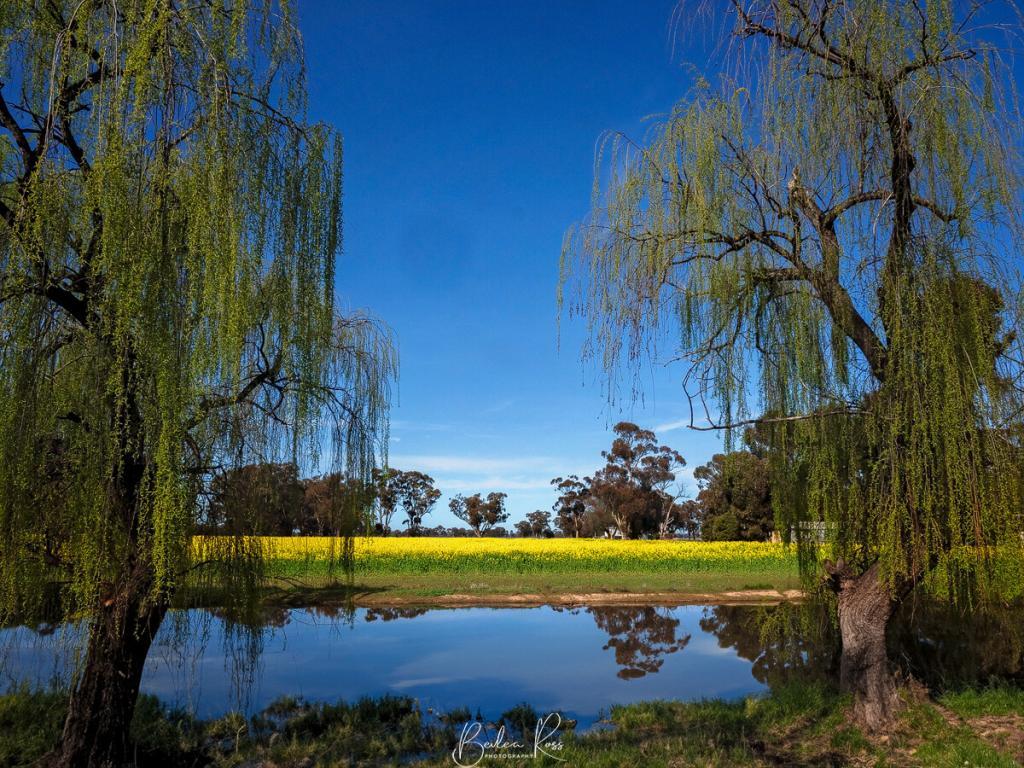
The Goulburn Valley Canola season has begun, signalling the arrival of spring. The fields are bursting with vibrant yellow blooms, creating a stunning display. You can’t miss the beautiful yellow flowers that adorn the countryside when you travel from Melbourne to Ballarat or up to the ski fields. The fields in this region provide breathtaking views, particularly during the flowering season when the landscape is blanketed with these vibrant yellow flowers.

Goulburn Valley Canola Fields
Canola is a popular crop in several regions of Australia. However, canola is particularly prevalent in Victoria in the Goulburn Valley region. This region is well-known for its fertile soil and favourable weather conditions, making it ideal for growing canola and other crops. It’s home to numerous large and small-scale farmers specialising in growing canola. Other popular areas for canola cultivation also include the Murray Valley and the Riverina, which boast plentiful water resources and thriving farming communities, making them ideal locations for canola production.
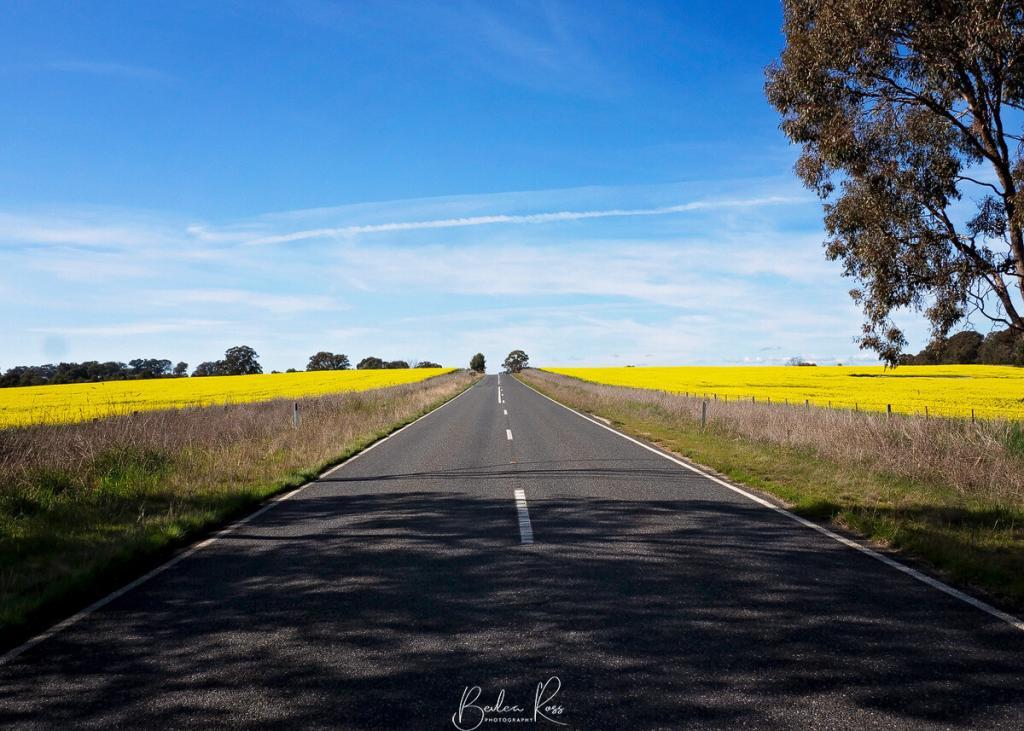
Driving the Goulburn Valley
With a friend visiting me for a few days, we decided to take a mini road trip through the Goulburn Valley to get as many canola fields as possible. Starting in Nagambie (check out the fields in O’Dwyers, Vickers and Nook Roads), we drove to Dookie and had a late breakfast at the Dookie Emporium. It’s a cafe/antique shop, and while the coffee was great, I don’t recommend the food. Or the service. Do yourself a favour and pack a picnic basket!
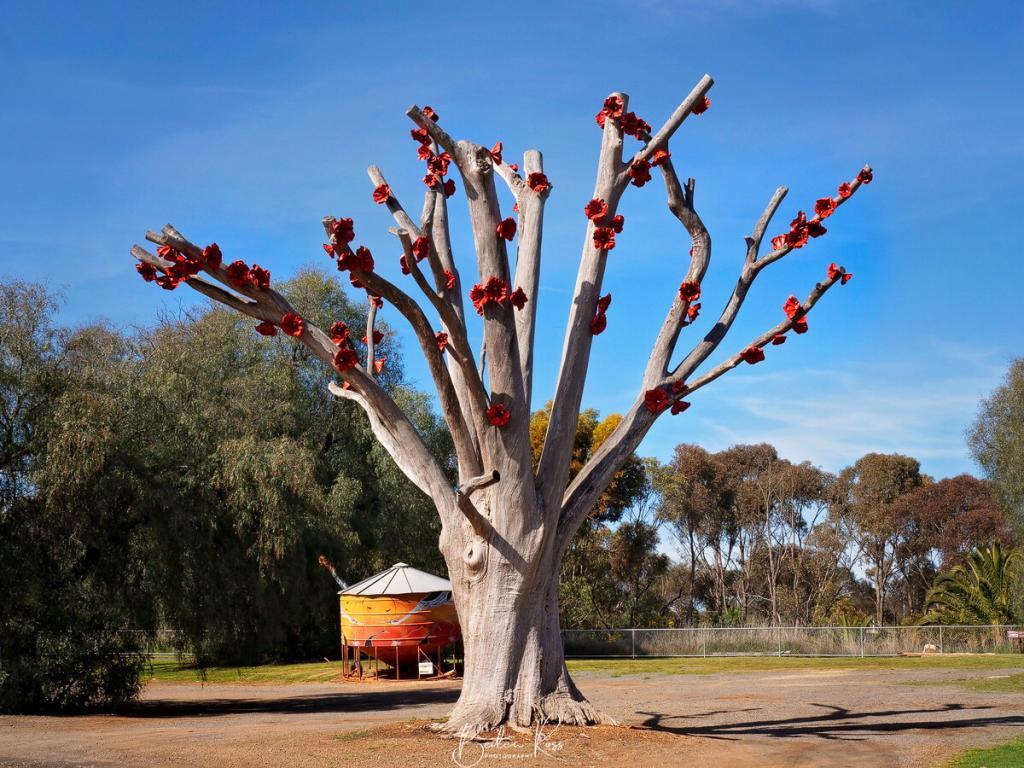
We photographed the Dookie poppy tree (opposite the Dookie Emporium) and a couple of fields near Tallis Winery before heading to Katamatite to check out the new silo, then Pfeiffer Wines and ended our day in Corowa. After breakfast in Corowa the next morning, we headed to Chiltern, then the Shiraz Republic, before returning home.
Goulburn Valley Locations
- Shepparton: A significant agricultural hub surrounded by rich and fertile farmland. This region is particularly popular for canola photography during the flowering season when the fields are ablaze with yellow blooms.
- Nagambie: The charming town of Nagambie is located in the heart of Northern Victoria’s agricultural region. Rolling hills and fertile farmland surround the area. Canola fields provide breathtaking views during the flowering season.
- Dookie: Located 30km from Shepparton is the tiny town of Dookie. Mt Major and Mt Saddleback are prominent landscape features, as are the rich red volcanic soil, historic buildings and other natural features, including a river, creeks and box ironbark forest.
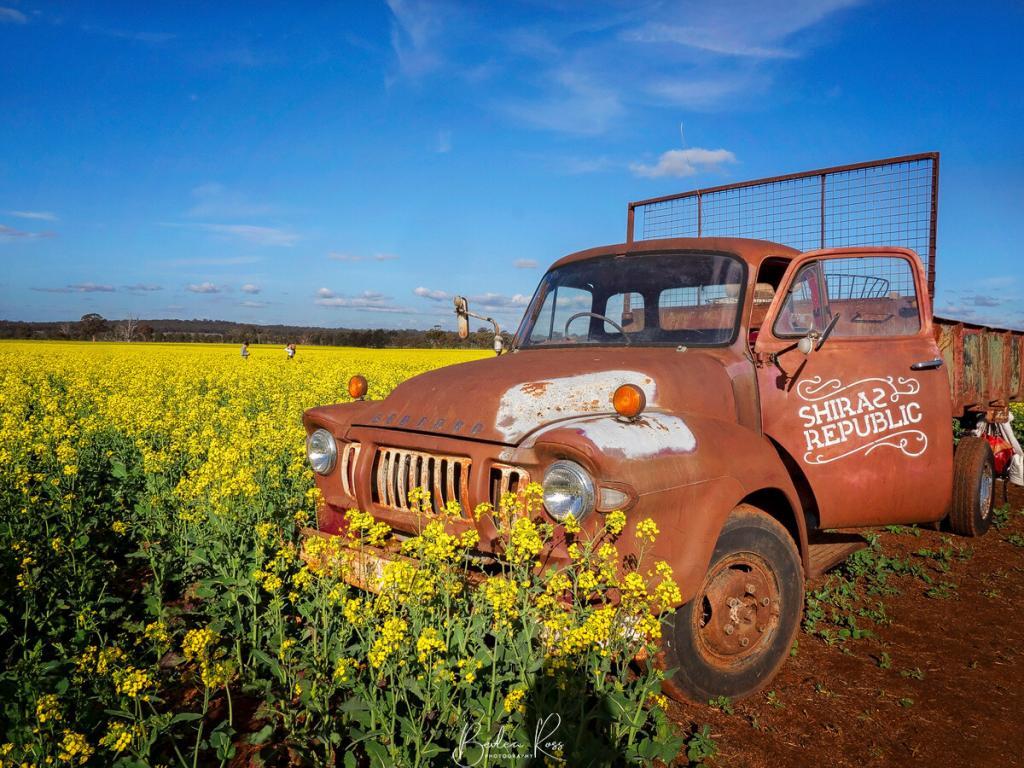
- Shiraz Republic: Situated at 507 Hamblin Road, Cornella, the field is open Friday to Monday, 11 a.m. – 5.30 p.m. The Shiraz Republic is an award-winning winery and cellar door with a large canola field adjoining the Winery/Brewery. This particular canola field permits visitors to walk through it. However, an entry fee of $10 per person is required to enter the Canola Walk. There is no restriction on the duration of your stay, but please be mindful of other photographers. During our visit, a young couple who were taking Instagram photos had monopolised the truck for approximately an hour.

Tips for Canola Photography
Timing: The best time to take breathtaking pictures of Victoria’s canola fields is during their flowering period when they are covered in gorgeous yellow flowers. Although the timing and region depend on weather conditions, you can generally expect the flowering period to start mid-August, be in full bloom by mid-September and finish by mid-October. Additionally, the golden hour – which occurs just before sunrise or just after sunset – is an ideal time to capture striking images of canola fields, as it offers the perfect lighting for photography.
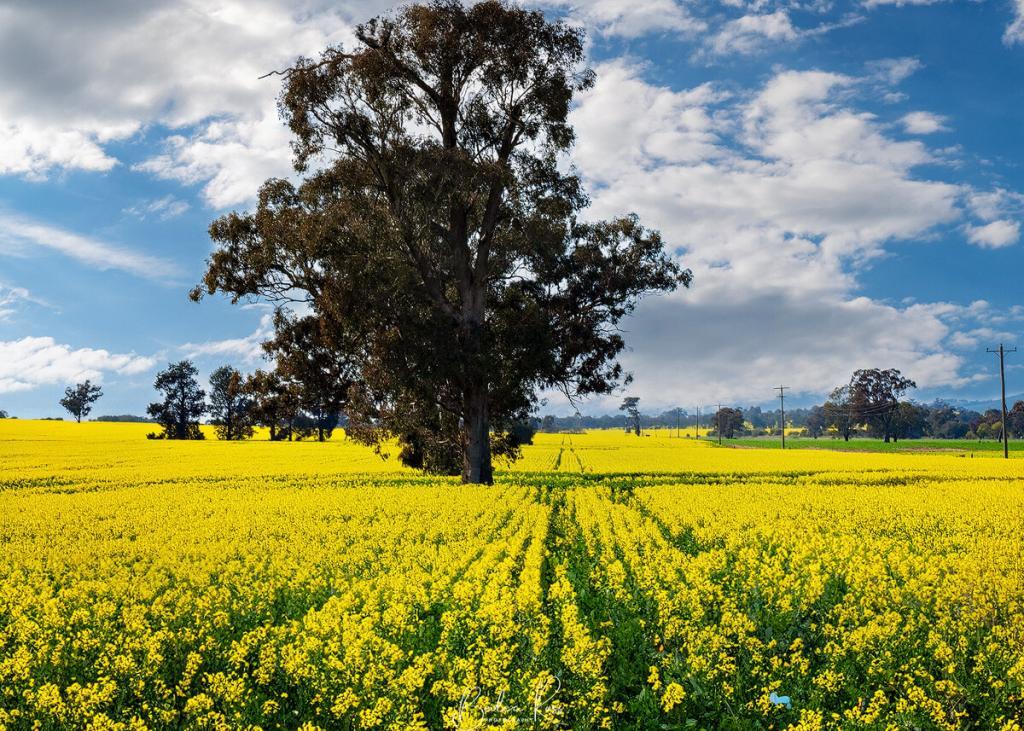
Angle and Perspective: Experiment with different angles and perspectives to capture the scale and beauty of the canola fields. Consider shooting from above or below or using a telephoto lens to focus on individual flowers.
Use of light and shadows: Pay attention to the lighting conditions when taking photos. The overhead sun can be harsh and create unflattering shadows. On the other hand, the side light is softer and can highlight the texture and detail of the canola plants.
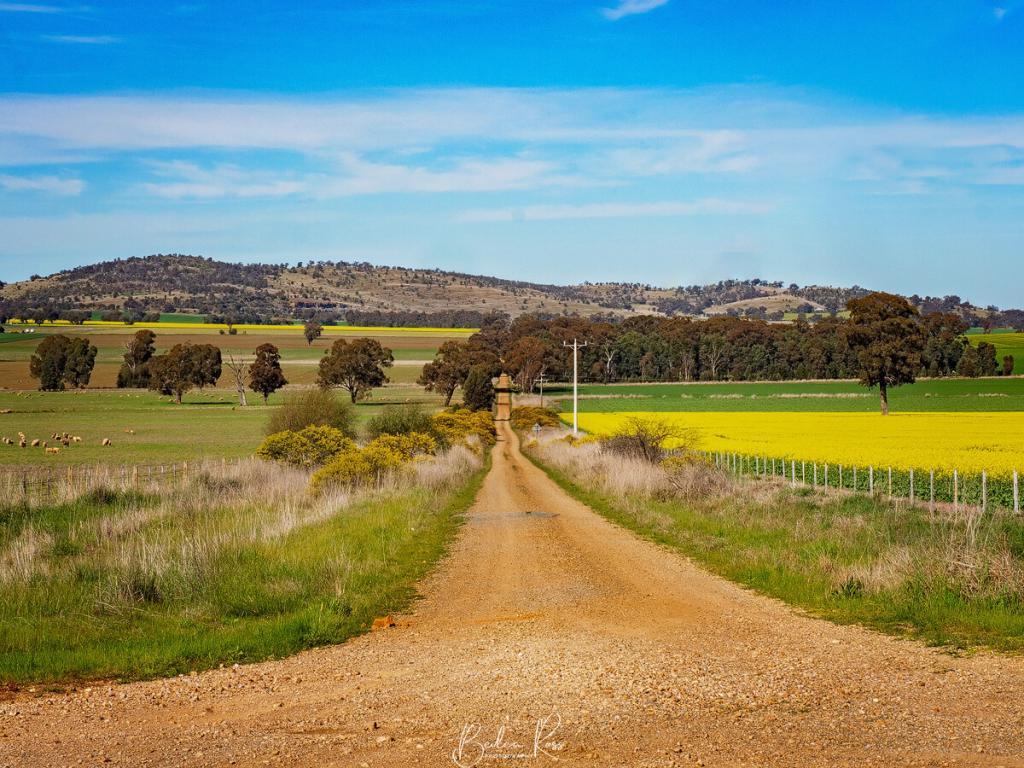
Composition: Use leading lines and patterns in the canola fields to create visually appealing compositions. Experiment with different framing techniques, such as the rule of thirds, to make your photos more engaging.
Weather: Inclement weather can add interesting elements to canola photography, such as mist, fog, or rain. Keep an eye on the weather forecast and be ready to take advantage of these opportunities.
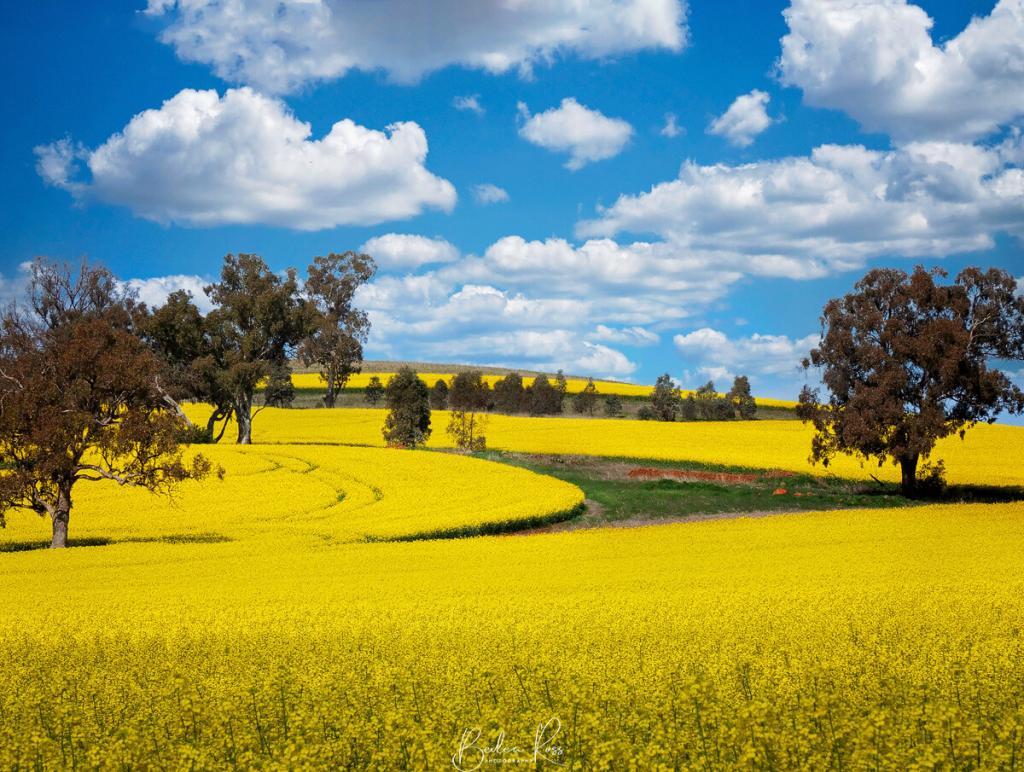
Post-processing: Experiment with post-processing techniques to enhance the colours and contrast in your photos. Consider using filters to bring out the yellow tones in the canola flowers.
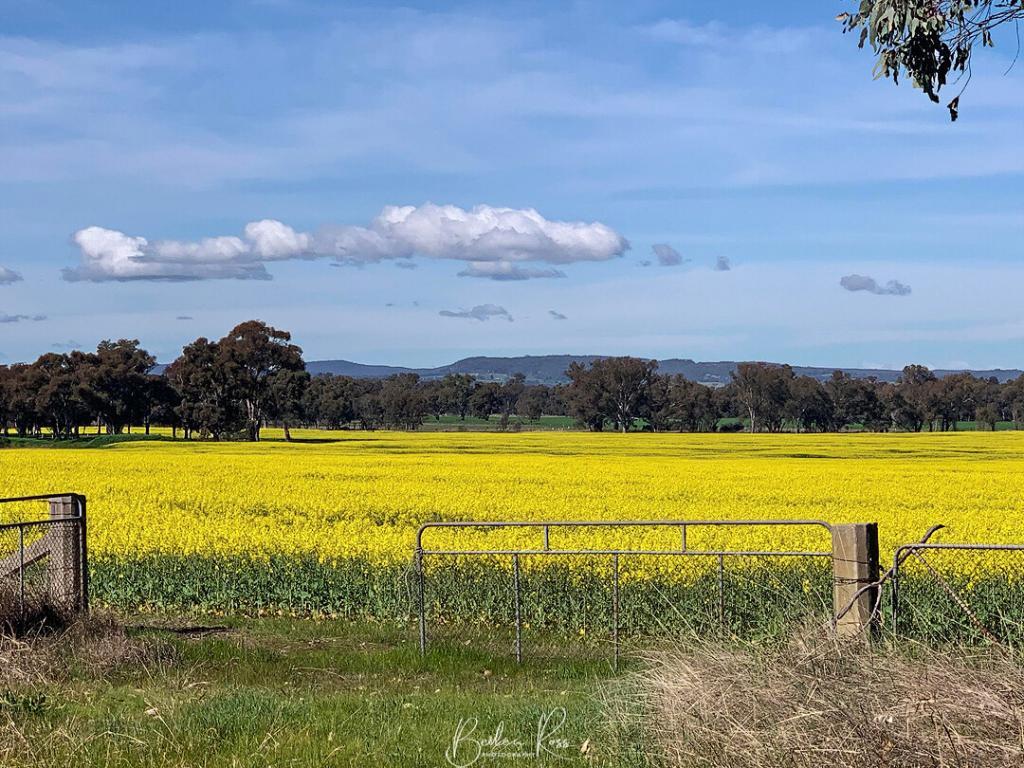
Just go!
Capturing the beauty of the canola fields in Northern Victoria during the flowering season is a unique and rewarding experience for any photographer. The rolling hills, vast expanses of golden fields, and picturesque countryside provide a stunning backdrop for capturing the essence of this region’s agricultural heritage.
So don’t hesitate; grab your camera and head out to capture the beauty of the canola fields. Whether you’re a seasoned photographer or just starting out, there’s no better way to experience the magic of Northern Victoria’s landscape than through the lens of a camera.
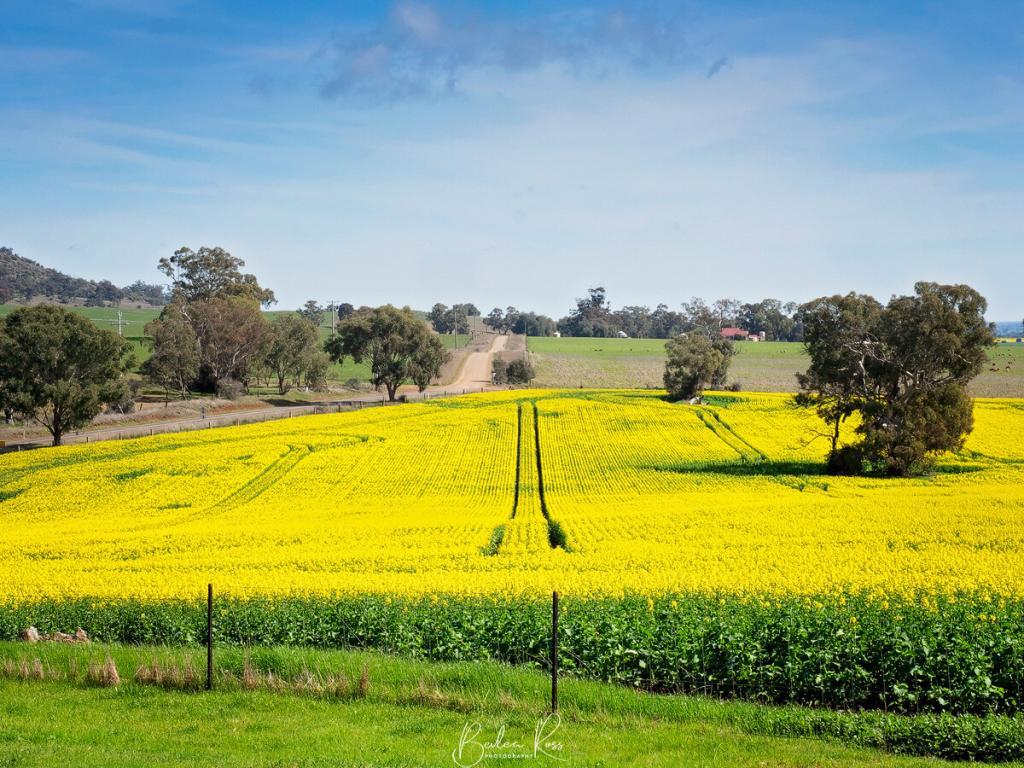
You’re bound to capture visually stunning images with the right preparation, a keen eye for detail, and a little creativity. So go ahead, take the leap, and see what you can capture!

Born on August 1st, 1912, in Malvern, Melbourne, Damien Peter Parer was a war photographer and cameraman. He was the youngest of eight children from John Arthur Parer, a hotelkeeper from Spain, and his wife Teresa, who was born in Victoria. Parer grew up on King Island, where his father ran the King Island Hotel.
Early Years
In the mid-1930s, a chance meeting between his father and the pioneering Australian film-makers Charles and Elsa Chauvel led to a job with the crew of the feature film Heritage, and later, he was to work as a cameraman with them and Frank Hurley on their famous feature, Forty Thousand Horsemen.
While working as a studio photographer for various employers, Parer created home movies and documentaries during breaks from feature films.. Notably, he worked alongside Max Dupain, who was married to Olive Cotton at the time. Together, the trio established a close friendship and collaborative partnership.
In 1938, Parer was in charge of filming “This Place Australia,” a short film that showcased the poems of Henry Lawson and Banjo Paterson in two parts. Parer’s camera work, heavily influenced by Tasman, Arthur Higgins, and Errol Hind, was most innovative when he adapted the styles of Australian still photographers to motion pictures. For example, he emulated Dupain’s cityscapes when portraying Sydney. He also drew inspiration from the pictorialists’ use of Australian light in landscape compositions when filming the Blue Mountains.

WWII Middle East
In January of 1940, as a photographer with the Commonwealth Department of Information, Parer embarked on a journey to the Middle East alongside the Australian Imperial Force. While on board the gunboat H.M.S. Ladybird, he captured footage of the bombardment of Bardia, Libya, in January 1941. Together with Frank Hurley, he documented the Australian assault on Tobruk in January. Shortly after, he joined ‘C’ Company, 2nd/11th Battalion, as they attacked the Derna airfield, where he filmed his first motion picture of infantry advancing under fire.

During the Greek (April) and Syrian (June-July) campaigns, as well as the Tobruk siege (April-December), Parer primarily took motion pictures with a few stills. He even filmed an air raid while flying with the Australian crew of a Royal Air Force Blenheim bomber. His exceptional work was frequently featured in newsreels, and his name became widely recognised.

WWII – New Guinea
After Pearl Harbour, Damien was recalled from the Middle East to cover New Guinea. In 1942, against Department of Information orders, he went to the Kokoda Track with the first units of the Australian Infantry Forces. It was a bitter campaign fought under the harshest of conditions where the enemy melted into the jungle.

Damien returned to Sydney with 800ft of film and hand-delivered the precious images to Ken Hall. “Kokoda Front Line!” brought the real nature of jungle warfare to the audiences back home. The film earned Damien and Cinesound Australia’s first Academy Award.
Parer’s footage became famous in 1943 when he was featured in Cinesound newsreels such as Men of Timor and The Bismarck Convoy Smashed. His most impressive work is Assault on Salamaua. However, he was unhappy with his salary and allowances. Additionally, he believed that the Department of Information had treated his colleagues, George Silk and Alan Anderson, unfairly. As a result, he resigned in August and joined Paramount News, where he covered American operations. He married Elizabeth Marie Cotter, a 22-year-old clerk, on March 23rd 1944, at St Mary’s Catholic Church in North Sydney.

Final Assignment
During the invasion of Peleliu Island in the Palau group in September of that year, Parer was capturing soldiers’ expressions as they went into action. Tragically, he was killed by a Japanese machine gunner while walking backwards behind a tank. He was buried in the Ambon War cemetery and was mentioned in dispatches. His wife, Elizbeth Cotter, survived him, and their son was born the following year.

Parer was more than just a combat cameraman and propagandist. His films told stories about the human condition, reflecting his extensive knowledge of cinema theory, particularly the ideas of John Grierson.
The photographs captured by Parer have become an integral part of the Anzac legend. These include a caped soldier crossing a stream and a Salvation Army officer lighting a cigarette for a wounded digger.

Yet, despite his accomplishments, Damien Parer remained humble and deeply committed to his Catholic faith. Fellow war photographer and friend Osmar White fondly remembered his infectious laugh, which White described as a booming bass hoot. He also noted Parer’s distinctive physical features: a tall yet stooped figure with black hair and sallow skin.
An exhibition entitled Still Action, showcasing Parer’s work, was sponsored by the Orange Regional Art Gallery and the Australian War Memorial in Canberra and toured Australia between 1997 and 1999.