
Tag:photography

The Blue Mountains, situated in New South Wales, Australia, is a stunning mountain range that has been designated a World Heritage site. Only 80 kilometres west of Sydney, they boast a variety of hiking trails, rock-climbing paths, and awe-inspiring scenic views. The Blue Mountains at Katoomba are also home to the famous Three Sisters, a popular tourist spot that draws visitors to the area.
Early History
The Blue Mountains and the Great Dividing Range presented a formidable obstacle to the early European pioneers who sought to settle and explore Sydney and its surrounding areas. These settlers viewed the range as an intimidating wall of sandstone cliffs, deep gorges, and thick vegetation. Due to the challenging terrain, settlements were limited to coastal areas, and the seemingly impenetrable mountains made it difficult if not impossible for pioneers to venture beyond these areas. Consequently, the Blue Mountains remained largely unexplored for many years.

This all changed, however, when in 1813, Gregory Blaxland, William Charles Wentworth, and William Lawson set out to cross the Blue Mountains to find a way into the unknown interior of Australia. Unlike many before them, they successfully crossed the mountains, completely the journey in only three weeks and reached the western plains. Thus becoming the first Europeans to do so. Previous explorers had looked for a route through the valleys. Unlike previous explorers, Blaxland, Wentworth and Lawson’s expedition crossed the mountains by traversing the ridges rather than the valleys. Their journey opened the interior to further exploration and settlement, eventually leading to the development of new towns and communities beyond the mountains.
World Heritage Listing
The Blue Mountains was added to the World Heritage Register in 2000 due to it’s exceptional natural beauty, biodiversity and outstanding examples of global geological processes. The site also includes the Blue Mountains National Park and several adjacent conservation reserves, covering approximately 1.03 million hectares.

The region is well-known for its rugged sandstone cliffs, deep canyons, and eucalyptus forests. It boasts a rich biodiversity with diverse plant and animal species. The Blue Mountains is also home to numerous Indigenous cultural sites, such as rock art, ceremonial grounds, and scarred trees, which hold significant cultural value for the area.
The Three Sisters
The iconic Three Sisters at Echo Point are three sandstone peaks that rise from the Jamison Valley below. The peaks are named Meehni, Wimlah, and Gunnedoo and are said to be named after three Indigenous sisters. According to local legend, the sisters were turned to stone by a witch doctor to protect them from an unwanted marriage. The Three Sisters is a significant Indigenous cultural site, and the local Indigenous community consider it a sacred site. It is also a popular spot for hiking and rock climbing, and visitors can take a scenic walk to the base of the formation.

The Jenolan Caves
The caves are a complex system of twenty-two limestone caves and are over 340 million years old. Apart from being considered one of the most spectacular cave systems in the world, they are also the oldest caves in Australia. Within Jenolan Caves are an extensive network of underground passageways and limestone formations, including stalactites, stalagmites, and helictites.

The caves were first discovered by Europeans in the early 1800s, and before long, became a popular tourist destination. Today, the Jenolan Caves are one of the most popular tourist attractions in the Blue Mountains. Visitors can take various guided tours and activities, including self-guided, adventure-caving, and lantern-lit tours. The caves are also a significant site for speleology and have been the subject of much scientific study.
Lennox Bridge
The Lennox Bridge is a historic sandstone arch in the Blue Mountains, New South Wales, Australia. It was designed and built by Scottish stonemason David Lennox between 1833 and 1837. Significantly, the bridge is the oldest surviving stone bridge on mainland Australia and spans the historic Mitchell’s Pass over the Coxs River. It is a particularly popular spot for tourists and photographers. The bridge is also listed on the New South Wales State Heritage Register.

The Hydro Majestic Hotel
The Hydro Majestic Hotel is an iconic hotel situated in Medlow Bath. Constructed by Mark Foy, a prosperous Australian businessman and theatrical impresario, in 1904. The hotel boasts an Edwardian style of architecture with a blend of Art Nouveau and Federation designs. It’s grandeur and unique architecture make it a significant landmark. The United States Department of Defence occupied the Hydro for a brief period during WWII, and it served as a hospital for American casualties from battles in the Coral Sea and South Pacific.
The hotel underwent several renovations over the years. Today it continues to operate as a hotel, offering accommodation, dining, and spa services. The Hydro Majestic Hotel is listed on the New South Wales State Heritage Register for its architectural and historical significance. It is undoubtedly considered one of the Blue Mountains’ most iconic heritage buildings.
The Katoomba Scenic Railway
The scenic railway is a historic railway forming part of the Blue Mountains Line, connecting Katoomba to the Jamison Valley below. Known for its 52° steep gradient, it descends over 300 meters (984 feet) through a cliff-side tunnel. It is one of the steepest railways in the world.

The railway was constructed in the early 1900s for the transportation of passengers and goods. As of now, it still functions as a tourist attraction, providing visitors with a picturesque journey through the Blue Mountains.
Govetts Leap
Govetts Leap is a scenic lookout in the Blue Mountains’ Blackheath area. The lookout offers a panoramic view of the Grose Valley, a deep gorge carved by the Grose River, named after William Romaine Govett, a surveyor who was the first European to discover the viewpoint in 1831. Govetts Leap lookout is a popular spot for tourists and hikers, offering a range of short and long walks.

Govetts Leap also offers breathtaking views of the Bridal Veil waterfall, a popular photography spot. The view of the valley is considered one of the most spectacular in the Blue Mountains. It’s a must-visit destination for anyone visiting the area.
Waterfalls
Within the Blue Mountains are several beautiful waterfalls. Some of the most popular waterfalls in the area are the following:


Best time to visit
The best time to visit the Blue Mountains in New South Wales, Australia, depends on your personal preferences and the activities you plan to do.
- Spring (September-November): The weather is mild, and the wildflowers bloom. It is also an excellent time for bushwalking and enjoying the area’s natural beauty.
- Summer (December-February): The weather is warm, and the days are long, making it the perfect time for swimming and picnicking.
- Autumn (March-May) – The weather is mild, and the trees are changing colours. It’s an excellent time for photography and scenic drives (and also a perfect time to pop over to Mount Wilson)
- Winter (June-August): The weather can be cold, but the crowds are minimal. However, it is an excellent time for those cosy fireside and log cabin holidays and winter sports like skiing and snowboarding.
The Blue Mountains provide a diverse range of experiences throughout the year, with each season offering something special. It is essential to remember that peak season can get quite busy, so it’s wise to consider this when organising your trip.

Black Swans (Cygnus atratus) are native to Australia and are an iconic species. They are so revered that they serve as the official emblem of Western Australia, appearing on the state flag and coat of arms. In fact, you can find their image on stamps, sports uniforms and even public buildings around Western Australia (WA). The Swan River in Perth was named after this beautiful bird when the British established the Swan River Colony in 1829. In addition, Black Swans have also been introduced to New Zealand.

Description
The male black swan, also known as ‘cobs’, can grow up to 110 to 142 centimetres in length and weigh between 3.7 to 9 kilograms. They have a wingspan of 1.6 to 2 meters and a unique “S”-shaped curving neck, which is the longest among other swan species. Male swans also have a longer and straighter bill than females, also known as ‘Pens’, and are slightly larger. These large birds have predominantly black plumage, broad white wingtips when in flight, and a vibrant red bill. They require a clearance of forty meters to take off and can reach flying speeds of up to 80 km/h. Black swans have a lifespan of 40 years. Immature swans are known as Cygnets, which have greyish-brown feathers with pale edges.

Black Swans are nomadic, with erratic migration patterns that depend on climatic conditions. Their migration follows no set route or pattern but is in response to drought or rainfall, always hunting for wet areas. Outside of the breeding season, they can travel vast distances, flying mostly at night.

Habitat
Their preferred habitat is the fresh, brackish and saltwater of lakes, swamps and rivers with the underwater vegetation they need for food and nesting materials. They prefer permanent wetlands, including ornamental lakes. However, they can also be found in flooded pastures, tidal mudflats and ornamental lakes.

Diet
Black Swans are vegetarians. They consume algae and weeds, which they obtain by plunging their long necks into the water at depths up to 1 metre deep. While they will also occasionally graze on land, they are ungainly walkers.
Breeding
Black Swans are mostly monogamous breeders. While older swans generally mate for life with one partner, younger swans are known to pair up for a short time, breed and then desert the nest. Thus, leaving the partner (of either sex) to care for the young. Breeding occurs mainly from February to May in the north and May to September in the south.

Near the water, the female swan constructs a nest using sticks, dead leaves, and debris. She lays one egg each day, which usually amounts to five or six eggs, but can sometimes reach nine. Despite the varying laying times, the parents only sit on the eggs and do not warm them, ensuring that all the eggs hatch together. Incubation lasts between 35 to 48 days, and both parents share the duty. After the breeding season, the adult swan goes through a moulting period during which it sheds its feathers and is unable to fly.

The babies, known as cygnets, are able to fly at six months. However, they often remain with the family for up to nine months. They reach sexual maturity between 18 and 36 months of age.
Predators
Black swans and fledglings are at risk from ravens, eagles, hawks and rats. However, the species is not endangered and are protected under the Australian National Parks and Wildlife Acts (1979). They are listed as Least Concern on the IUCN Red List of Threatened Species.

Black and white editing captures and reproduces images using only black, white, and grey shades. This can be achieved using both film and digital photography and is often used for artistic or documentary purposes. Black and white photos have a timeless appeal; they capture the essence of an image without the distraction of colour. Black and white photography also highlights textures, shapes, and patterns, which can create striking and dramatic compositions.
They can also create a mood or emotion, such as nostalgia or solemnity. Black and White are perfect for architecture, street photography, and portraits. In a black-and-white image, the composition and subject become the focus. But how to edit colour to black and white photos, and what mistakes to avoid?


You can create black-and-white photographs, with a black-and-white setting on your camera. However, today, we are going to convert colour images into black and white using photo editing software.
Mistakes to Avoid
- Lack of Contrast: in a nutshell, black and white images rely on light, shadows and contrast; without sufficient contrast, the image will be flat and dull.
- Excessive contrast: too much contrast results in loss of detail.
- Not exposing for the shadows: an excellent black-and-white photo will have crisp whites, rich blacks, and a good range of mid-grey.
- Not Shooting RAW: shooting in RAW will give you more control over the final edit, allowing you to change the white balance if needed in post.
- Ignoring the histogram: pay attention to the histogram when shooting and editing. This will ensure your highlights aren’t blown out and detail lost.
Different Methods
There are so many ways to do black-and-white editing – we will cover three ways here. All will work with Photoshop or Lightroom. There are also many free and premium actions and presets available for Photoshop and Lightroom. These will convert colour to black and White. Additionally, Luminar Neo will also convert a colour image to black and white. For this post, we are concentrating on simple but effective ways to do it in Lightroom and Photoshop.
Editing your colour image
TIP: When you open your images in Camera Raw or the LR develop module – click on the little box in the top right corner of the histogram (see below). In LR, the little arrow will be blue when active; in PS, it will be red. This will show your blown-out highlights in red. Bring the highlights slider down until the red disappears. Next, before you convert to black and White – edit your image. Make all necessary crops and adjustments, so you are starting with a clean edit. (if you click the box in the opposite corner it shows your crushed shadows).

Method One
Open your image in camera raw and click B&W on the right-hand panel. This will convert the image to monochrome. Open the B&W Mixer in the panel and move the sliders to your liking. Next, click Open to bring it into Photoshop. From here, you can edit using your normal workflow.


Method Two: Black and White Adjustment in Photoshop
One of the most straightforward ways (without the additional cost of buying actions) is to apply a black-and-white adjustment layer. At the bottom of your layers panel, like the round black and white cookie type symbol, and from the menu that pops up, choose black and white. Your image will instantly become black and white, with a colour slider window opening.


Play with the sliders until it’s to your liking – or click the auto option above the red, and PS will adjust for you.


Once you are happy with it – as a final step, you can flatten the image and then, in Camera Raw, make a final adjustment to contrast and clarity.
Method three – Photoshop
The second super easy method is opening the image in Camera Raw and bringing the vibrance and saturation down to 0%. You won’t be able to adjust the HSL slider with this method, but you can adjust the contrast, clarity and blacks in Camera Raw.


Method Four – Lightroom
The third method – for lightroom users is to open the image in the develop module and click on Black & White. From here is a simple matter to play with the clarity and contrast sliders to achieve the desired result. Lowering the temperate will make an image colder (blue) or warmer (orange); this will also adjust the tones in your photo.


Some famous photographers known for their black-and-white work include Ansel Adams, Henri Cartier-Bresson, and Dorothea Lange. Black and white photography remains a popular and respected art form today, and its beauty and impact are likely to endure for many years to come.

In 1999, the marketing committee of Shepparton Show Me introduced Merry Moos for a Christmas campaign. The Merry Moos was so successful it evolved into Moooving Art. The Shepparton cows all sport whimsical artwork and are forever moooving around Shepparton and the Goulburn Valley.

Moooving Art Shepparton is a tribute to the strength of the dairy industry in Greater Shepparton. The region produces a large percentage of Australia’s dairy exports, evidenced by the number of grazing cows driving through the Goulburn Valley. Therefore, cows were an obvious choice for public art. Moooving Art is both a unique and innovative way to increase the dairy profile while also increasing public art in the region.

Moooving herd
There are ninety cows in the herd, scattered around towns in the Greater Shepparton area. However, not all are on display at one time. Shepparton Council publishes a list of locations; however, as the herd is always on the move due to events or repairs – it’s not always up to date. As of January 2023, thirty-seven cows are out to pasture Due to sun damage and wear and tear, some are waiting to be repaired, and others are having a makeover.

Certificate of Excellence
The three-dimensional, life-sized cows are the canvas for emerging artists to paint and decorate. In 2018 Moooving Art was awarded a Certificate of Excellence by Trip Advisor


Just over two hours from Melbourne, nestled in the beautiful tableland of Strathbogie in Victoria’s northeast, is Sunnymeade Cottage Garden, Kithbrook (not to be confused with Sunnymeade at Anglesea). In days past, the area was previously home to infamous bushranger Ned Kelly, gold miners and tree loggers. Today it’s a quiet rural area, home to vineyards, farms, farm stays, and our destination – Sunnymeade Cottage Garden for a rare open day.

Garden Plan
Craig Irving started Sunnymeade Cottage Garden in 1986. In 2017 Sunnymeade won the Melbourne Cup Tour and VRC Australian Garden competition. The garden is laid out along the lines of interconnecting rooms. An Incan wall garden and a circular lawn are enclosed by towering hornbeam hedges from Europe. A Persian garden invites you into the tiled pavilion.

Further along, is the Yellow Garden boasting an iron arbour with wisteria. A rose garden with old-fashioned roses with a Victorian-era gazebo to sit in. Additionally, there is a medieval garden, a walled garden with a moon gate, a rose walk, a sunken garden, a fruit garden and an Egyptian garden.

Unhelpful weather gods
The day before our visit was in the high 30s, and we had everything crossed that our day wouldn’t be so hot. Unfortunately, the weather gods granted our wishes but went a little overboard with the cool change, giving us bland white skies and no sun. We even had a quick rain shower as we walked around (taking refuge in the gazebo).


Topiary Trees
I love Topiary, and Craig has undoubtedly mastered the skill. His immaculate hedges and spiral trees were a delight. However, while I thoroughly enjoyed our visit, I wished we had sunshine and blue skies. Maybe, fingers crossed, it will be open again in spring.


Max Dupain (1911-1992) was an Australian modernist photographer. Dupain is known for his iconic images of the Australian landscape, beach culture, and industrial architecture. His work is considered a significant influence on Australian photography, and he is regarded as one of Australia’s most influential photographers of the 20th century. Dupain’s photographs are characterised by their strong composition, use of light, and emphasis on form and shape. However, he is best known for his photographs of Sydney’s Bondi Beach and the Sydney Harbour Bridge, considered some of the most iconic images of Australian culture.

He was born Maxwell Spencer Dupain on 22 April 1911 in Ashfield, Sydney and was the only child of Sydney-born parents, George Zephirin Dupain and Thomasine Jane (Ena). His father pioneered the physical fitness movement in Australia and founded the Dupain Institute of Physical Education Sydney in 1900.
Early Years
Dupain attended Ashfield Preparatory and Sydney Grammar schools. However, he did not thrive academically and left school without completing the Leaving Certificate (known as Year 11 now). His uncle Clarence Farnsworth, an amateur photographer, gave him his first camera at 13. In 1928 he joined the Photographic Society of New South Wales and presented his early works in the predominant soft-focus Pictorialist style in the society’s exhibitions. Pictorialism is an approach to photography that emphasises the beauty of subject matter, tonality, and composition rather than the documentation of reality.
His entries in the society’s 1932 Interstate Exhibition of Pictorial Photography garnered praise from the eminent photographer and critic Harold Cazneaux.

Photography Career
In 1930, Dupain began a three-year apprenticeship with photographer Cecil Bostock. He also took evening art classes at Julian Ashton’s Sydney Art School and East Sydney Technical College. As a result, by 1933, his images emphasised geometric form, outlined and accentuated by sharp hard light rather than the soft romanticised effects favoured by pictorialists. Then, in 1934, with financial support from his family, he opened a small studio with a shared darkroom at 24 Bond Street in Sydney. The timing was exceptionally fortunate as Australia was emerging from the Depression, and the demand for advertising, society, and celebrity photography was growing.

It wasn’t long before Dupain outgrew the small studio and moved to larger premises in the same building. In 1937 he employed Geoffrey Powell, followed by Damien Parer in 1938. Then, in 1934, photographer Olive Edith Cotton joined his studio as a general assistant. They married in 1939 in a Methodist service at her home, but the marriage did not last, and they separated in August 1941 before divorcing in February 1944.

public domain Wikimedia commons
Modernist Photography
The support of publisher Sydney Ure Smith was instrumental in launching Dupain’s career. Smith featured Dupains work in Art in Australia in 1935 and invited him to review J. T. Scoby’s book on surrealist photographer Man Ray for The Home magazine. By the late 1930s, Dupain was established as a leading modernist photographer. One whose work responded to and reflected the realities of contemporary life. Dupain experimented with different techniques, from photomontage to solarisation, developing a style characterised by the dramatic use of light.

public domain Wikimedia Commons
Throughout his career, Dupain’s preferred medium was black and white photography. He photographed widely diverse subjects, from still lifes and landscapes to cityscapes. Dupain was also one of the first Australian photographers to focus on studies of the nude, both male and female and passionately advocated modernist photography.

public domain by Wikimedia commons
Fame and Influence
From the late 1930s, he played an essential role as a commentator in photography magazines and later as a photography critic for the Sydney Morning Herald. He was also a founding member of the Contemporary Camera Groupe (CCG) in 1938. The CCG was formed to counter the prevailing conservatism of Australian photography. His self-declared heroes shaped his Romantic outlook in literature, music, and the arts: Beethoven, Shakespeare, D. H. Lawrence, and Llewellyn Powys. The book Creative Effort by Norman Lindsay was particularly influential.

Art Gallery of South Australia
Dupain also greatly admired the work of photographers Man Ray, George Hoyningen-Huene (whom he met in Sydney in 1937), and Margaret Bourke-White.
War Service
In 1941 his studio partnered with the respected photo-engraving firm Hartland & Hyde Pty Ltd and relocated to Clarence Street, Sydney. From 1942 to 1945, Dupain was seconded in a civilian capacity as a camoufleur (a person skilled in camouflage techniques) with the Royal Australian Air Force. He visited Darwin, New Guinea, and Goodenough Island, off the northeast coast of Papua New Guinea. His work entailed taking photographs revealing the effectiveness of different kinds of camouflage.

Public Domain, National Portrait Gallery, Canberra
His wife, Olive Cotton, ran the studio in his absence. In late 1945, Dupain joined the Commonwealth Department of Information and travelled across Australia, taking photographs for the government’s publicity campaign aimed at attracting migrants to post-war Australia.

He took the image “meat queue” during his tenure with the department. Post-wartime, due to shortages, queues were everywhere. For buses, vegetables, fruit and meat. Dupain came across a queue of women at a butcher shop on Pitt Street waiting to exchange coupons for meat.
Post War Years
On 25 November 1946, now divorced from Olive Cotton, Dupain married Diana Palmer Illingworth, a clerk, at the District Registrar’s Office, Chatswood. From 1953 until his death, the couple lived at The Scarp, Castlecrag. Their home was designed by the modernist Australian architect Arthur Baldwinson. Surrounding the house was a native garden cultivated by Dupain.

Public Domain, National Library of Australia
His interest in photography changed in the postwar years, and Dupain took a documentary approach. Although he scorned the “artificiality” of studio work, he continued working in advertising. However, he focused on architectural and industrial photography, establishing close working relationships with eminent architects. Dupain was a reluctant traveller. However, he made one trip to Europe in his lifetime. In 1978, he photographed the Australian Embassy in Paris, designed by leading Australian Architect Harry Seidler.

NGA Exhibition
During the 1970s, Dupain, a retrospective exhibition of his work, was held at the Australian Centre for Photography, Sydney. The collection introduced his now best-known photograph, Sunbaker, to the public. This image became an icon, defining the typical beach culture, the Australian way of life, and the great outdoors. The exhibition brought Dupain greater recognition. He was represented in all significant public collections in Australia, including Dreams Sensuous and Surreal’s exhibition at the National Gallery of Australia. His work was considered not only art but to have historical value as it also captured wartime Australia in the 1930s.

Public domain, Wikimedia commons
Later Years
Dupain moved to a new studio in Artamon in 1971, working there for the next twenty years. His second wife described him as a ‘complex character’, as he was not a social person. Instead, Dupain was intense, single-minded, and disciplined. Dupain believed that the viewer must be emotionally and intellectually involved in the images and devoted his life to achieving excellence.

Courtesy National Library of Australia
Dupain became an honorary fellow of the Royal Australian Institute of Architects in 1980 and was appointed OBE for outstanding services to photography in 1981 and AC in 1992. Maxwell Spencer Dupain died, age 81, of heart disease on 27 July 1992 at his home Castlecrag. He was survived by his wife Diana, daughter Danina and son Rex and was cremated in a private service.
Following his death, his archive was divided into two: the art and personal negatives remained with his family, and the commercial negatives were consolidated into the Max Dupain Exhibition Negative Archive. These now reside at the State Library of New South Wales.

The Yea Wetlands is a 32-hectare flood plain adjacent to the Goulburn Valley Highway and a short walk from High Street. Home to many Australian marsupials, birds and aquatic creatures, the wetlands are a haven of peace and tranquillity encompassing natural bush and riverine floodplains. The Discovery Centre opened in August 2014 due to the dedication of the community and volunteers. Also added were the suspension bridge and raised boardwalks.

A neighbouring property owner graciously agreed to relinquish a crown land license. This enabled the construction of a track between the Centre and the suspension bridge. Native trees, endemic to the area, replaced the willow trees and noxious weeds that were choking the waterway.
Walking trails
Wetlands are areas of land that are saturated with water, either permanently or seasonally. They are characterized by unique hydrological, chemical, and biological characteristics and are typically classified as marshes, swamps, bogs, or fens. Wetlands can be found in various environments, including coastal areas, river deltas, and the edges of lakes and ponds. Accordingly, they provide essential habitats for many plant and animal species and play critical roles in water management and carbon sequestration. They also provide various ecosystem services, such as water purification, flood control, and shoreline stabilization.
Grade 2: Distance: 2 Km. The walk begins at the Franklin Track and crosses the Yea River via a suspension bridge. Keep a lookout as you cross the bridge; Platypus and Rakali (native water rat) regularly forage along the river bed. The walk features information boards along the route and a bird hide overlooking a pond. A leisurely 45-60 min stroll allows you to come across Koalas and Sugar Gliders as well as Azure and Sacred kingfishers, spoonbills, Platypus and Rakali.

Discovery Centre
The Yea Water Discovery Centre is a multi-purpose facility incorporating an accredited Visitor Information Centre and an Interpretive & Educational Centre. They offer visitor information in the form of maps and brochures as well as accommodation and travel guides. There is also a gift shop, free wi-fi, public toilets and meeting room hire.

Upgrades to the Wetlands
In July this year, the Yea wetlands successfully received a grant of $375,000 from the Victorian Government’s Regional Tourism Fund. The funding will go towards an upgrade of the precinct. The upgrade will include a 700m extension of the existing walk, named Yea River Kayigai Trail. In addition, the Cummins Lagoon will be extended to include a Riparian Zone.
A new bird hide and a sculpture trail will be added, focusing on the Taungurung people and their connection to the Country, and the exhibits in the Discovery Centre will be refurbished. Works are expected to be completed by mid-2024.
Preserving wetlands is essential for maintaining the ecological, economic, and societal benefits they provide. Some preservation strategies include:
- Protecting existing wetlands through regulations and laws such as Environment Protection and Biodiversity Conservation Act 1999.
- Restoring degraded or destroyed wetlands through reforestation, re-vegetation, and other management practices.
- Creating new wetlands by constructing artificial ponds, marshes, and swamps.
- Implementing conservation programs and policies to protect wetlands and their associated species and educating the public about their importance
- Collaborating with local, state and federal government and other organizations to protect and implement conservation plans.


It’s important to note that preserving wetlands requires an integrated approach involving different stakeholders and a long-term commitment to ensure the sustainable use and protection of wetland resources.
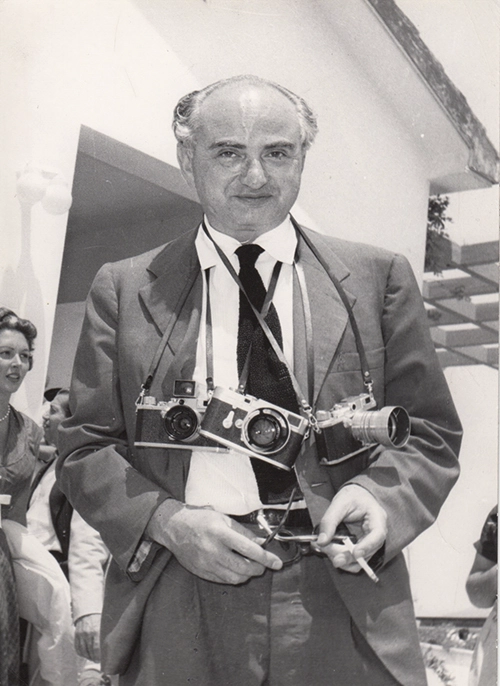
David Seymour (Chim) was a Polish-born American photojournalist and co-founder of Magnum. Seymour is best known for his empathic and moving images of people, especially children, and for his work covering the Second World War and other conflicts. He also photographed celebrities, politicians, and socialites working for magazines such as Life, Vogue, and Harper’s Bazaar. Seymour believed the medium of photography could awaken the public conscience and used his skill to tell stories photographically.
We are only trying to tell a story. Let the 17th-century painters worry about the effects. We’ve got to tell it now, let the news in, show the hungry face, the broken land, anything so that those who are comfortable may be moved a little
David Seymour (Chim)
Early Life
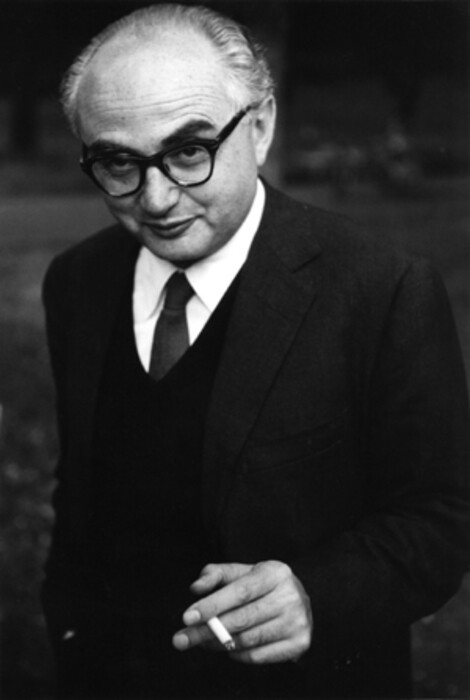
He was born Dawid (Chim) Szymin on November 20, 1911, in Poland to Polish Jewish parents Regina and Benjamin Szymin. His parents were prominent Yiddish and Hebrew book publishers and owners of a bookstore that was a gathering point for Warsaws Jewish intellectuals. Chim was a talented pianist and linguist, fluent in eight languages and studied graphic arts and printing technology in Leipzig. However, with the increasing political and economic unrest at home, he decided to continue his studies in Paris. While studying at Sorbonne University in 1932, he developed an interest in photography.

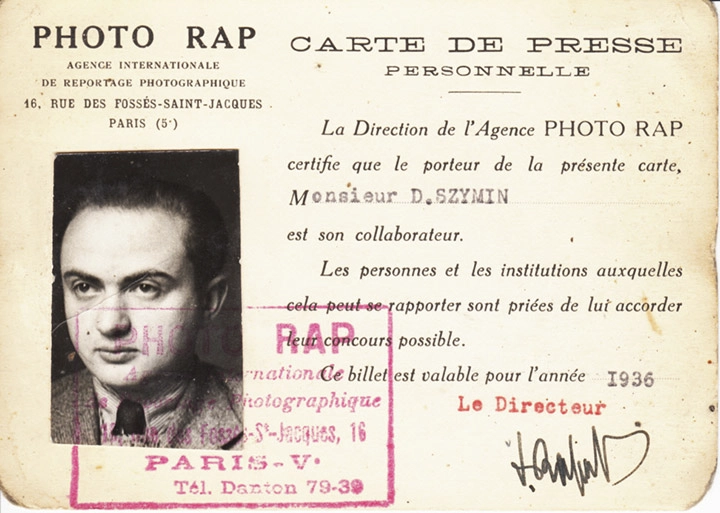
By 1934 he abbreviated his surname and began stamping his prints ‘Chim’ (pronounced shim) as it was easier to pronounce and more “commercial”. He became friends with Robert Capa and Henri Cartier-Besson while they were all working at the RAP picture agency. All three shared an apartment in Paris for a time, and their bathroom doubled as a darkroom.
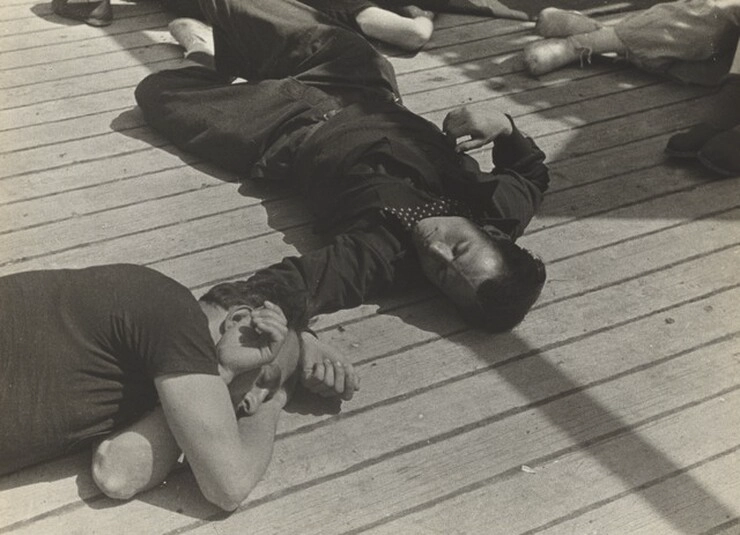
In the late 1930s, Chim covered the Spanish Civil War. His images gained widespread attention, particularly those that portrayed life behind the lines and the impact of the war on the people of Barcelona, and they were published in Life magazine. In addition, the new French weekly Match assigned Chim and writer George Soria to photograph the defeated Republicans fleeing Spain for France. He also covered the SS Sinaia voyage in 1939, the first ship to carry Spanish refugees to Mexico.
The War Years
In 1939 while he was covering the Spanish civil war, Chim realised it wasn’t safe to return home, so he emigrated to the United States. In 1942, he was drafted, and while training in military intelligence as a photo interpreter at Camp Ritchie, Maryland, he became a naturalised U.S. citizen. During his service, he received a bronze star and was discharged with the rank of Second Lieutenant in 1945
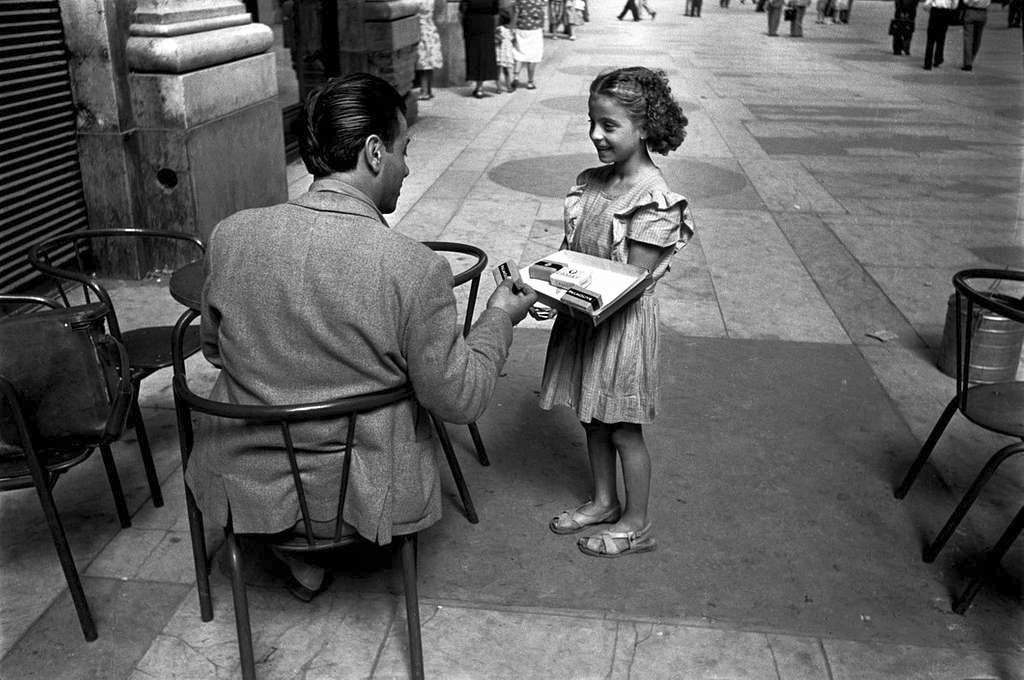
In 1947, Chim, Capa, Cartier-Bresson, George Rodger and William Vandivert founded Magnum Photos, the international photographers’ cooperative agency. Magnum was formed to give photographers control over their own assignments and retain copyrights over their own negatives.
Children of Europe
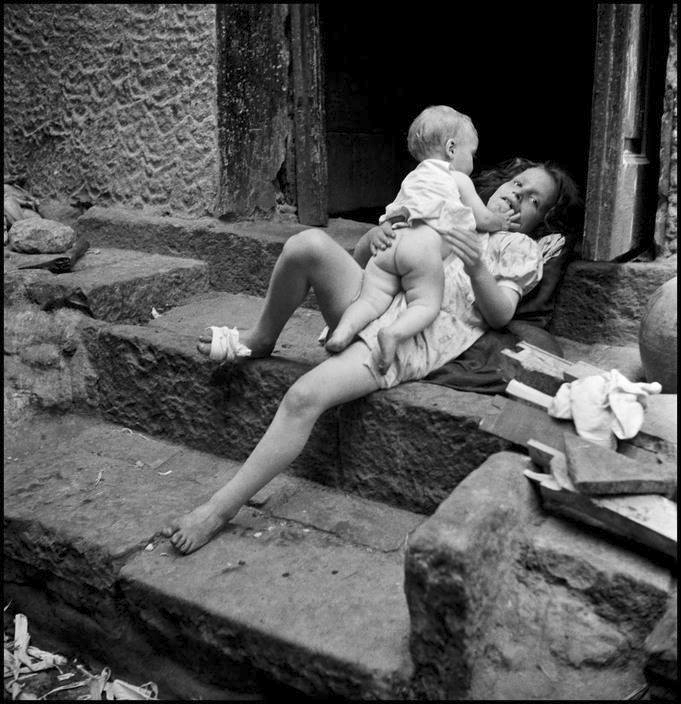
Chim was designated a ‘special consultant’ by UNICEF in March 1948 and was assigned to document the plight of the child survivors of World War II. That year, while on assignment for the United Nations Educational and Scientific Organization (UNESCO), Chim photographed the children orphaned by the war and irrevocably physically and emotionally damaged.
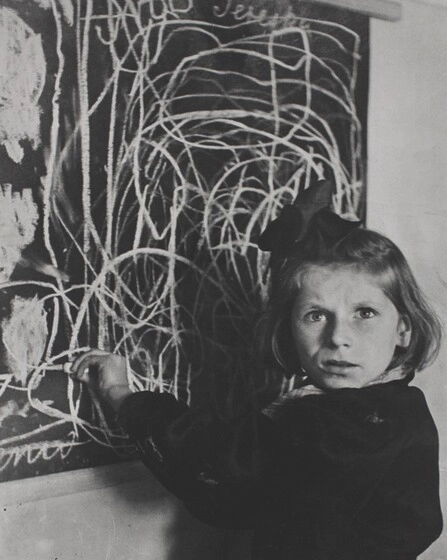
The assignment would take him to five countries. His visit to a school in Warsaw for disturbed children saw him create one of his most famous images. Tereska’s ‘drawing’ on a blackboard of her’ home’ is a nebulous, incomprehensible scribble, indicating her deep trauma. He later turned the images into the critically acclaimed book Children of Europe (1949). While still on assignment with UNESCO, Chim learned his parents, who had remained behind in Poland during the war, were killed by the Nazis when they liquidated the Otwock Ghetto and sent the inhabitants to Treblinka. The Children of Europe series reflected his raw emotions.
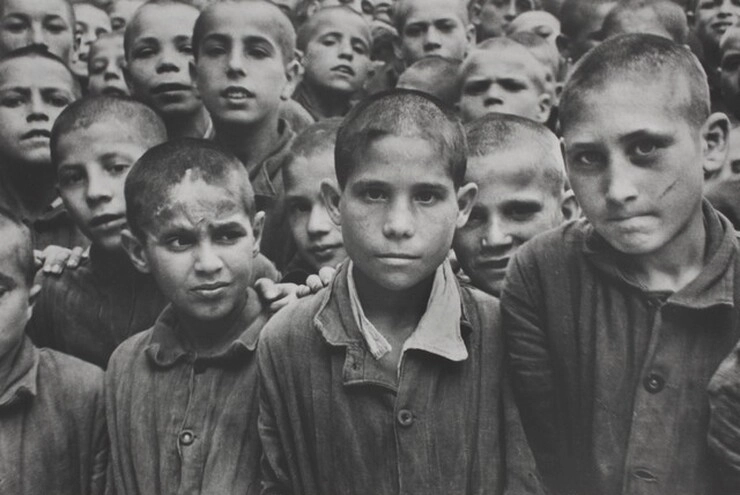
David Seymour (Chim), © David Seymour Estate
Post War
In 1949, Chim moved to Rome. Working on a book on the Vatican, he took over 2,500 photographs, photographing everyone, from workers to the pope during a private audience. Then, in 1951, Robert Capa came up with a large-scale idea – to be handled entirely by Magnum photographers. ‘Generation X’ was about children coming of age after the war. Chim, still in Italy, chose two subjects and, from 1951 to 1955, he photographed traditional religious festivals and processions held in Italian villages. He also made several trips to Israel as the fledgling state was fighting against attacks from neighbouring Arab states. Israel had become extremely important to him, symbolically and emotionally. He saw it as a place of hope for the Jews of Europe.

The 1950s
In 1954 Magnum lost two of its top photographers. Werner Bischof died in a car accident in Peru on May 16, and just nine days later, on May 25, Robert Capa, Magnums president, was killed in Vietnam when he stepped on a landmine.
“My Dear Magnum family, the lump is still in the throat, and the dust not settled yet. The blow is hard, and the reaction slow to come… We have to go on, keep together, and avoid the stunning effects of our sorrow. Maybe through this we will help ourselves, and find strength to keep and develop Magnum—a home for all of us.”
David Seymour
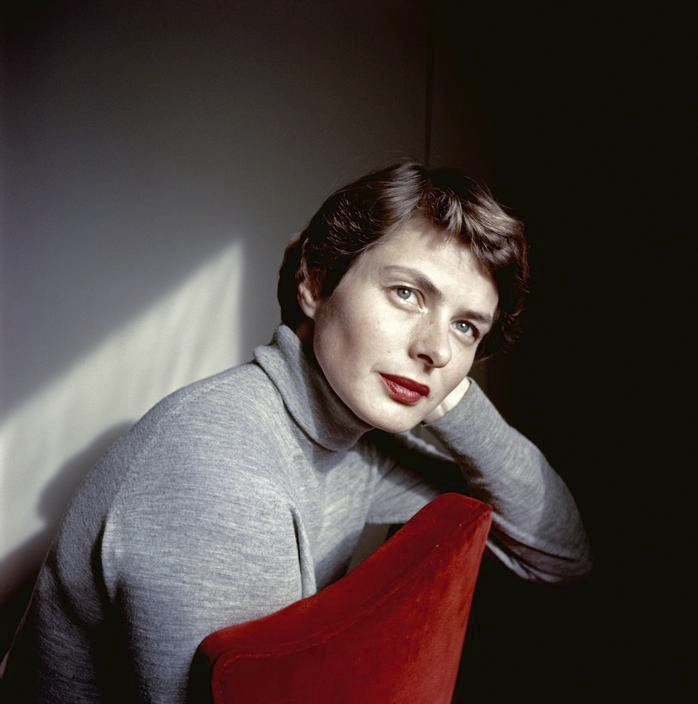
Following Capa’s death, Chim took over the role of President at Magnum. He was also a gifted portrait artist. From 1955-1956, he was the trusted portrait artist of Sophia Loren, Ingrid Bergman and Roberto Rossellini and family, Audrey Hepburn, Joan Collins, Ava Gardner, Kim Novak, Kirk Douglas, Gina Lollobrigida, Rita Hayworth, Irene Papas, Maria Callas, and many others. In addition, he took portraits of writers and intellectuals like Arturo Toscanini and Bernard Berenson.
Death
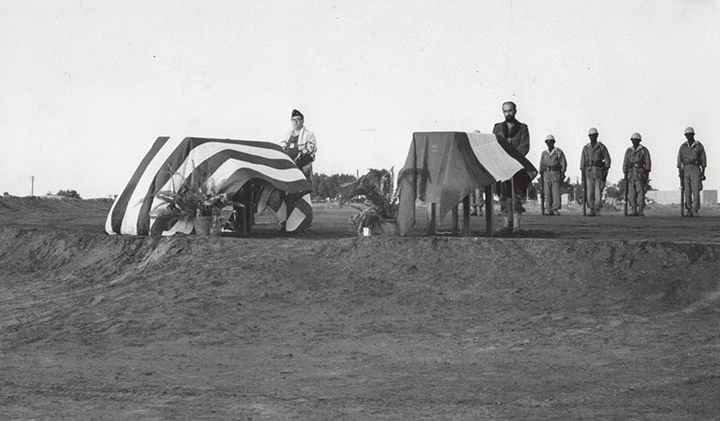
On November 10, 1956, Chim covered the Suez Crisis for Newsweek. He and French photographer Jean Roy were driving to photograph an exchange of wounded soldiers at El Quantara. Tragically they were killed by Egyptian machinegun fire. It was four days after the armistice of the 1956 Suez Crisis, ten days before his 45th birthday.

Bird photography is a challenging but rewarding genre of photography that involves capturing images of birds in their natural habitats. It can be an exciting and rewarding pastime. Conversely, it can be the most frustrating experience and akin to threading jelly through a needle. Where to find them, what time of day are they most active, which lens to use, and what settings to use? Of course, you can follow all the advice and still come home with no images. I have often struck this problem, mainly because they are too high in the trees or just not around.

Bird Hotspots
For me, the biggest problem with bird photography is finding the birds. Of course, birds are all around us in streets, gardens, and parks, but they are sparrows, crows, magpies etc. Twitchers (bird watchers) post their sightings all the time. But finding the robins, hawks, rosellas, parrots, and cockatoos (apart from the prolific Sulpher crested) can be a skill in itself. Not to mention finding them within the range limits of your lens.
The Cornell Lab of Ornithology runs a great website called eBird. On there, you can search for bird hotspots, submit your findings, or find where a particular species are. For your mobile, there is Merlin. Merlin also has free bird packs to download to your phone, giving bird information, calls, locations etc. It’s a great starting point.

Learning the bird’s behaviour is also a great help in predicting what it will do. It is equally important to know the time of day they are most active, what months they are in what area, etc. Behaviour-wise, for example, birds always fly off in the direction they face, and if they raise their tail and release faecal matter, they are about to take off.

Equipment
For bird photography, you must have a camera with a long lens. The longer, the better. On my Olympus micro-four-thirds, I have the Olympus 40-150mm with a 2x extender giving me 600mm. A 300mm lens will work ok (esp on micro four-thirds, where it translates to 600mm or a crop sensor, where it’s around 450mm). If you have a full-frame camera – you need something that’s at least 400mm, preferably up to 600mm. You can get away with less, but most of the time, it will require heavy cropping.


Heavily cropped and enlarged backup with Topaz Gigapixel
One way around that is using Topaz Gigapixel – it will make your cropped image up to 6x larger without losing quality. (they have a free 30-day trial too)
Camera modes
Firstly, shoot RAW. It gives you a higher-resolution image and more flexibility in editing, including the ability to change your white balance. Exposure compensation is also convenient to use when you are trying to balance shutter speed and light. You can adjust the exposure via the + to deliberately overexpose a bit if your subject is very dark. Consider putting the camera on silent mode so as not to startle the bird. Always use high-speed continuous and fire off short bursts of shots.

Camera Settings
Manual Mode
For perched birds, either nesting or on branches, go for ISO 100-200 in good light or Auto ISO on cloudy or low-light days. It helps to know how high an ISO your camera can handle before the image becomes noisy. You can then set the maximum ISO on your camera and use Auto ISO for birds. Select auto white balance and an F-stop of F4-5.6 to separate the bird from the background. Then, focus on the bird’s eye. For perched birds, go for a shutter speed of 1/500 to 1/1000

For birds in flight – you need a much faster shutter speed and continuous-servo autofocus (CAF). The shutter speed will also depend on how fast the bird flies. Birds like pelicans lumber along and are easy to catch in flight; smaller birds such as swallows, terns or the peregrine falcon are swift flyers. For these birds, you need a superfast shutter speed.
- Use a fast lens with a long focal length: A fast lens with a long focal length, such as a 70-300mm or a 100-400mm, will allow you to capture birds in motion from a distance.
- Choose a fast shutter speed: Start with a shutter speed of at least 1/2000th of a second or faster to freeze the motion of the birds in flight.
- Use continuous autofocus mode: Switch to continuous autofocus mode to ensure that the camera is continuously tracking the bird as it moves.
- Track the bird’s movement: Anticipate the bird’s movement and follow it with the camera, keeping the bird in the centre of the frame.
- Experiment with burst mode: Use burst mode to capture a series of images in quick succession, increasing your chances of capturing a sharp, in-focus shot.
- Pay attention to the background: Make sure the background is simple and not distracting, as it will draw the viewer’s eye away from the bird.
- Be patient and persistent: Birds in flight can be elusive and difficult to capture, so be patient and persistent in your pursuit of great bird flight images.

Shutter Priority Mode
Shutter priority mode (also known as “Tv” mode) is a useful setting for bird photography as it allows you to control the shutter speed while the camera automatically sets the aperture to achieve the proper exposure. This mode is particularly helpful in capturing fast-moving birds, as you can set a fast shutter speed to freeze the motion.
- Choose a fast shutter speed: Start with a shutter speed of at least 1/1000th of a second or faster. A fast shutter speed will help freeze the motion of the bird and reduce the risk of camera shake.
- Use a tripod or bean bag for stability: Since you will be using a fast shutter speed, it’s important to have a stable platform to minimize camera shake and improve image quality.
- Experiment with different shutter speeds: Try different shutter speeds to see the effect on the final image. Slower shutter speeds can create a sense of motion, while faster shutter speeds will freeze the motion.
- Watch the aperture: The camera will automatically adjust the aperture to achieve the proper exposure, but keep an eye on the aperture value and adjust the ISO if necessary.
- Use burst mode: using burst mode to capture a series of photos in quick succession, increases your chances of getting a sharp shot.
- Be mindful of the lighting conditions: Keep in mind that you may need to adjust the shutter speed or ISO based on the lighting conditions. In low light, you may need to use a slower shutter speed or increase the ISO.
By using shutter priority mode and following these tips, you can capture sharp, dynamic bird images that show the beauty and grace of these creatures in motion.

Focus Points
Finding the subject in the frame is often tricky when using a long zoom lens. Spot metering and a centre focus point is usually the most sensitive and accurate focus point, making it a good choice for bird photography. However, experiment and try different focus points to see which one works best for your camera and the situation. I always use back-button focus: as it allows me to separate the focus and exposure functions of the camera. This will allow you to focus on the bird and lock the focus, allowing you to recompose the shot without the camera refocusing. Another point to remember – keep the bird’s eye in focus: When photographing birds, it’s important to keep the bird’s eye in focus as this is the most critical part of the bird to keep sharp.
Approaching birds
Research your subject: Learn about the birds you want to photograph, including their behaviour, habitat, and preferred food sources. This will help you anticipate their movements and get the shots you want. Getting close enough to get the shot is one of the most challenging parts of bird photography. Some birds will allow you to get quite close. Others are skittish and maintain a considerable distance (hello, long lens).

Try to blend in with your surroundings by wearing neutral-coloured clothing and using a camouflage cloth for your gear. Do not wear white, red or bright clothing; you need to blend into the surroundings. I have seen some very dedicated photographers wearing full camo clothing, including camo coverings on their cameras and lenses. That’s a bit extreme for me, so I dress in blues or khaki/tans. Avoid feeding birds or using bait to lure them, as this can lead to unnatural behaviour and negatively impact the birds’ health.

Walk quietly without chatter to minimise disturbance. If you spot a bird, walk slowly towards it. Try not to approach it when the bird is watching you, and walk forward slowly at a zig-zag angle. When you raise the camera to take a shot, do it slowly—no sudden movements. If possible, let the birds come to you. If you learn their behaviour and habitat, you can take a chair, bottle of water or thermos and settle down and wait for them. Then they aren’t taking off and fleeing when you suddenly appear on the scene.
Practice
Start with the ducks and magpies if you are a beginner at bird photography. Take a bag of seeds for the ducks (never feed them bread). Ducks and Pelicans are usually acclimated to human interaction. On one lake, I visited all the ducks, geese and swans swarmed toward any newcomer arriving as they were used to people feeding them. Photographing them will give you experience in getting the settings and compositions right. Next, look for walkthrough aviaries; you are guaranteed to get shots there. In Melbourne, both Melbourne Zoo and Serendip Sanctuary have walkthrough aviaries. Healesville Zoo has a daily bird of prey show.

Ten top tips
- Use a fast lens with a long focal length to capture birds in motion.
- Use a tripod or bean bag for stability.
- Keep a fast shutter speed to freeze motion and avoid camera shake.
- Use a high ISO to achieve faster shutter speeds in low light.
- Pre-focus on a specific spot where you expect the bird to fly or perch.
- Make use of continuous autofocus mode to track moving birds.
- Experiment with different perspectives, such as shooting from above or below the bird.
- Use natural light or flash to create proper exposure and add depth to your photos.
- Pay attention to the background to avoid distracting elements or unwanted clutter.
- Patience and persistence are key, as birds can be elusive and take time to observe and capture.
One last bit of advice
Get up early or stay out late: The best light for bird photography is often found in the early morning or late afternoon. Make a point to learn from the experts, look for bird photography workshops or classes, or study the work of professional bird photographers. YouTube holds a wealth of information and tutorials on bird photography.

Gerda Taro was a German-born war photographer best known for her coverage of the Spanish Civil War in the 1930s. Born Gerta Pohorylle in Stuttgart, Germany, she was professionally known as Gerda Taro. She was one of the first female war photographers and is considered a pioneer in the field. Unfortunately, she was also the first woman war photographer to die in the field.
Early Life
Pohorylle was born to a middle-class Jewish family on August 1st, 1910. In 1929, with her father’s business failing due to economic conditions in Germany, the family moved to Leipzig, seeking a fresh start.
As Germany descended further into economic and political chaos, antisemitism intensified. In 1933 she was arrested after distributing anti-Nazi leaflets. At age 23, to escape Hitler’s Germany and the persecution of the Jews, she fled to France, joining the thousands of political and intellectual exiles also seeking refuge in the country. Her parents also left for Palestine, and her brothers went to England. She never saw her family again.
Inventing Robert Capa

In Paris, Pohorylle met Endre Friedmann, a Hungarian jew and became his assistant. Friedmann taught her photography, and they fell in love. In 1936 they invented the pseudonym Robert Capa for Friedman, and Friedmann claimed to be his agent. Both Friedman and Pohorylle took news photographs and sold them as the work of the non-existent American photographer Robert Capa. The ruse was a way of overcoming the rising antisemitism in Europe and breaking into the lucrative American market with a more commercial name.

The name Capa came from Friedmann’s Budapest street nickname “Cápa”, which means “Shark” in Hungarian. However, their secret did not last long, and Friedmann then officially adopted the more commercial name “Capa” as his own. Meanwhile, Pohorylle took the name Gerda Taro. Her name came from avant-garde Japanese artist Tarō Okamoto and Swedish actress Greta Garbo. Robert Capa and Gerda Taro worked together as photojournalists to cover the events surrounding the coming-to-power of the Popular Front in 1930s France.
Spanish Civil War

Just two weeks after the outbreak of the Spanish civil war, the couple moved to Barcelona, arriving in Barcelona on August 5th 1936. Over the next twelve months, Taro photographed the civilian population’s suffering and soldiers on the frontline. In February 1937, Taro and Capa travelled to the Andalusian coast and the city of Malaga, covering the thousands of civilians fleeing a nationalist advance. In May, she photographed the civilian population after they had endured the nightly bombing of Valencia.

Battle of Brunette
The battle of Brunete was pivotal for the Spanish civil war. General Franco’s forces had retaken the town, and the republican troops were retreating. General Walters warned Taro to get out of Brunette as her safety could not be guaranteed. However, Taro refused to leave and continued shooting. as bombs fell and planes strafed the ground. Witnesses said she was smiling and taking photo after photo, which she said were her “best pictures yet”.

Running out of film, she hopped onto the running board of General Walters’ car carrying wounded soldiers. Unfortunately, an out of control tank crashed into the side of the car and crushed her abdomen. Nevertheless, she was still conscious when she arrived at the British hospital in El Escorial. New Zealand surgeon Dr Douglas Jolly operated on her. However, she passed away that night.

Epilogue
Gerda Taro had been due to return to France the next day. Unfortunately, her photographs of the battle and equipment disappeared soon after the collision with the tank. Taro was considered a martyr to the anti-fascist movement, and the French communist party provided her with a magnificent funeral that drew thousands of people; she was laid to rest at Pere Lachaise Cemetary in Paris on what would have been her 27th birthday.

Sunflowers are known as ‘happy’ flowers due to their association with the sun. While not as plentiful in Victoria as the spring canola fields (the primary location of sunflower fields in Australia is NSW and Qld), there are still a few sunflower fields in Victoria to satisfy photographers. Western Australia also has an emerging sunflower industry.
Sunflowers are giant, bright, beautiful flowers popular with photographers worldwide. In Australia, they bloom from January to March. The meanings of sunflowers include happiness, optimism, honesty, longevity, peace, admiration, and devotion. No other flower exceeds it for its ability to make people smile. Popular with nature photographers and photographic enthusiasts, sunflowers look great, either as a single flower or in their thousands in fields.

Ethical Sunflower Photography
Photographing sunflower fields full of blossoms has become popular in recent years due to social media posts. However, that popularity has also brought out thoughtless photographers who ruin it for the rest of us. Like Canola fields, the critical rule when photographing sunflower fields is remembering the Do Nots.

Sunflower fields are farms on private land. However, some sunflower farmers will allow visitors into portions of their fields while protecting other fields. Visitors can take photos and pick the flowers for a per stem cost.

Grow Your Own
Many Sunflowers can be successfully grown in suburban backyards, from giant to dwarf types, such as Dwarf Sensation. For those who suffer hayfever or bee problems, you can even get pollen-free varieties such as ‘Teddy Bear’, though they look more like chrysanthemums than sunflowers.

Plant the seeds in late spring or early summer when the ground is starting to warm up—plant in well-drained soil enriched with some compost. Place them where they get six to eight hours of sun daily. They can even be grown indoors if you place them near a north-facing window!
Plant each seed 60cm apart and 2cm deep and give them deep regular watering in the mornings. They will flower in 8-10 weeks. Companion planting works well for sunflowers next to cucumbers, melons, sweetcorn or squash. However, keep them well away from potatoes and beans because sunflowers release toxins that will inhibit the potatoes and beans.

Fun Facts
- The tallest sunflower recorded was 9.17m tall (30 whopping feet!)
- sunflowers are the national flower of Russia and Ukraine
- the seeds are full of calcium
- each sunflower can produce 1000-2000 seeds
Where to find them
I know of three Sunflower Fields in Victoria that allow the public and photographers to visit. In no particular order, they are:
*Pick Your Own Sunflowers*
One of the largest fields in Victoria is Pick Your Own Sunflowers at Dunnstown. Entry is $5 per person, and kids under five are free. Pack your camera, bring your scissors or secateurs, have cash on you to pay for your sunflowers, and you are set for a great day. Leave your drone home as they are not allowed. Booking online is highly recommended, though you can sometimes pay at the gate.

*Sunflowers of Timmering*
Another great field was Sunflowers of Timmering, corner of Thornton Road and Webb Road, Timmering. However, they recently announced there would be no sunflowers this year. Due to the impact of floods across the region, they lost most of their crops, and to feed the livestock, they have had to replant on all available land. Unfortunately, this left no room for sunflowers. However, mother nature notwithstanding, they plan to be back in 2024

*Greendale Sunflowers*
Set in the rolling hills of Greendale near Ballarat, you will find Greendale Sunflowers at the corner of Lidgett’s Lane and Ballan-Greendale Road in Greendale Vic. The latest news is they expect to open in mid-February 2023. Usual hours are open Thursday and Friday from 11 am to 5 pm, Saturday from 10 am to 6 pm, and Sunday from 10 am to 5 pm. Admission is $5 per person, with children under five free. Sunflowers are available for sale at $2 each. Bring your own secateurs or hire for $2 a pair. Cash only.
Update: Greendale Sunflowers closed permanently in March 2023
Note: all pricing is at 2022 prices and is subject to change. It’s also a good idea to take gardening gloves or a bucket or roll of newspaper for your sunflowers. The sunflowers are pretty hairy and can be prickly and uncomfortable on your hands.

Photography tips and ideas
Sunflowers always turn their faces to the sun throughout the day, so it helps to consider the sun’s position when deciding on the background of your image.
- Close’ fill the frame’ images will bring out the detail of the flowers
- Use a macro to photograph just the very centre of the flower
- Don’t forget the back of the sunflower – they are just as interesting as the front
- Look for sunflowers that haven’t bloomed yet – they also make a great image
- Take a portrait or selfie against or in field of sunflowers (if permitted)
Safety First
When heading out to shoot in Victoria sunflower fields, be mindful that you are entering a working farm. Wear closed-toe sturdy shoes, a hat and sunscreen. Being summer, snakes are possible. Keep a watch out for wriggly sticks! Bees love sunflowers, as the sunflower provides nectar and pollen. Be careful not to disturb the bees. But then, it’s also a great way to get Bee images.


The Welcome swallow is the most widespread swallow in Australia. They are so named because they can even be found at sea, and their name, welcome swallow, was given by sailors who knew that seeing the bird meant the sight of land was not far away. In Australia, they are a self-introduced species that is believed to have flown over from New Zealand in the early 1900s.

Appearance
The Welcome swallow is a small bird that only weighs 10 grams when fully grown. Their plumage is metallic blue-black on the upper back, light grey on the breast and belly, and russet on the forehead, throat and upper breast. Their long forked tail has a row of white spots on the individual feathers. The outer tail feathers (streamers) are slightly shorter in the female. Young Welcome Swallows have buffy white, instead of rust, on the forehead and throat and shorter tail streamers.

Habitat
While welcome swallows are widespread across Australia, they are more common in the south than in the north. They can be found across various habitats, from city buildings, farmland paddocks, wetlands, deserts, forests and grasslands. However, they are not commonly found in heavily forested or dry inland areas. At night they gather in flocks of up to 100 birds.
Diet
The diet of the Welcome Swallows consists of a wide variety of insects. They catch prey in flight, using their impressive acrobatic flying skills. The short bristles bordering their beak guide their prey into the swallow’s wide, open mouth. These bristles also help protect their eye. When insects are plentiful, Welcome Swallows feed in large flocks.

Breeding
Welcome swallows are monogamous, and the breeding season lasts from August until March. Their nest is an open cup of mud and grass built by both sexes. When complete, the female lays three to five eggs, often raising two broods in a season. The nesting sites cover various areas, from cities to rural regions attaching the nest to vertical walls, buildings, boats, tree hollows, caves, cliffs and mine tunnels. Their cup-shaped nests are situated to avoid sunlight. Building the nest takes an average of 8–23 days and is often re-used for consecutive years of breeding.

When breeding, they usually work in pairs. However, they often form small groups to protect their nest and territory against predatory birds. Eggs are sized from 18 mm long and 13mm wide, pink in colour with brown speckles. Male welcome swallows do not participate in incubating the eggs, as they forage while the female incubates. However, while the female forages, they take turns watching the nest for a short period or accompanying the female in foraging. Both parents feed the fledglings when the eggs hatch after 14 and 21 days. The fledglings remain in the nest for 18 to 23 days and are entirely independent at around 35 days.
Predators
Hawks, snakes, and feral cats are the main predators that hunt welcome swallows, with snakes their most dangerous predator. Snakes climb the trees to reach the nests and eat the eggs or the chicks. Another threat is the swallows’ excreta which contains various bacteria and parasites. These breed in the nest and cause severe diseases such as histoplasmosis, encephalitis, salmonella, meningitis and toxoplasmosis.